Back to browsing
Design History

Iconic Furniture

Furniture with real history — who designed it, which era it comes from, and why it still works as a statement piece today.

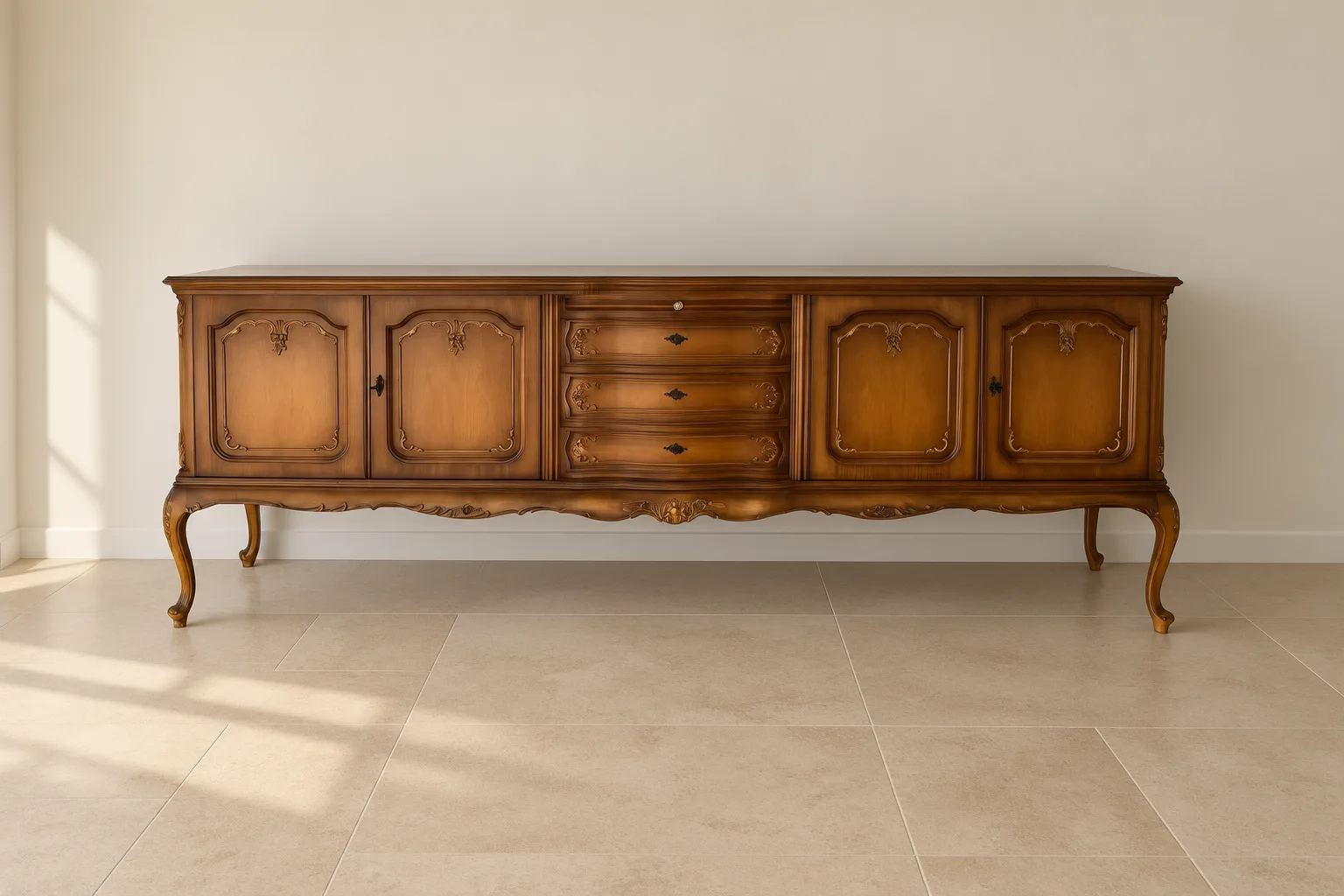
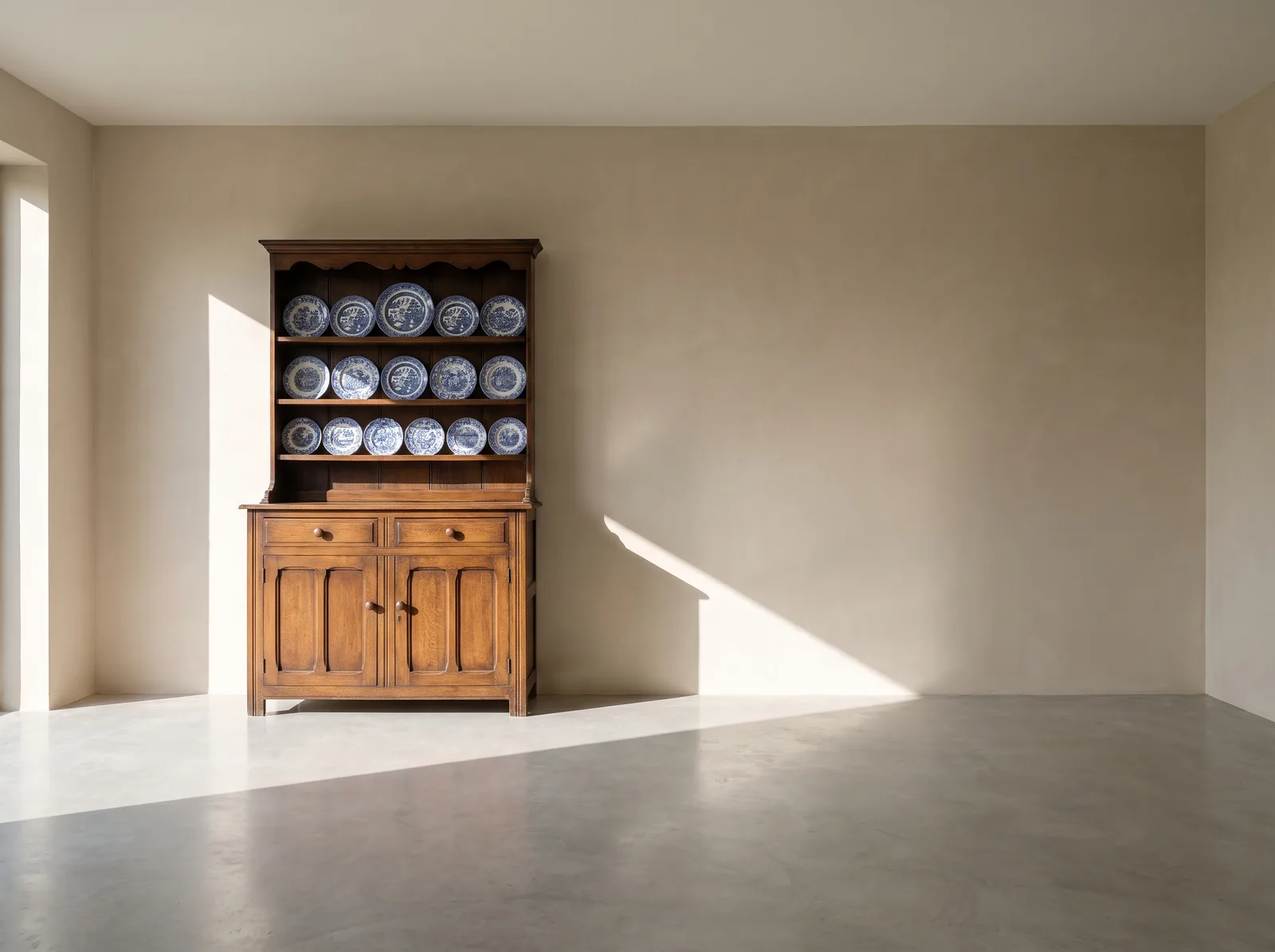
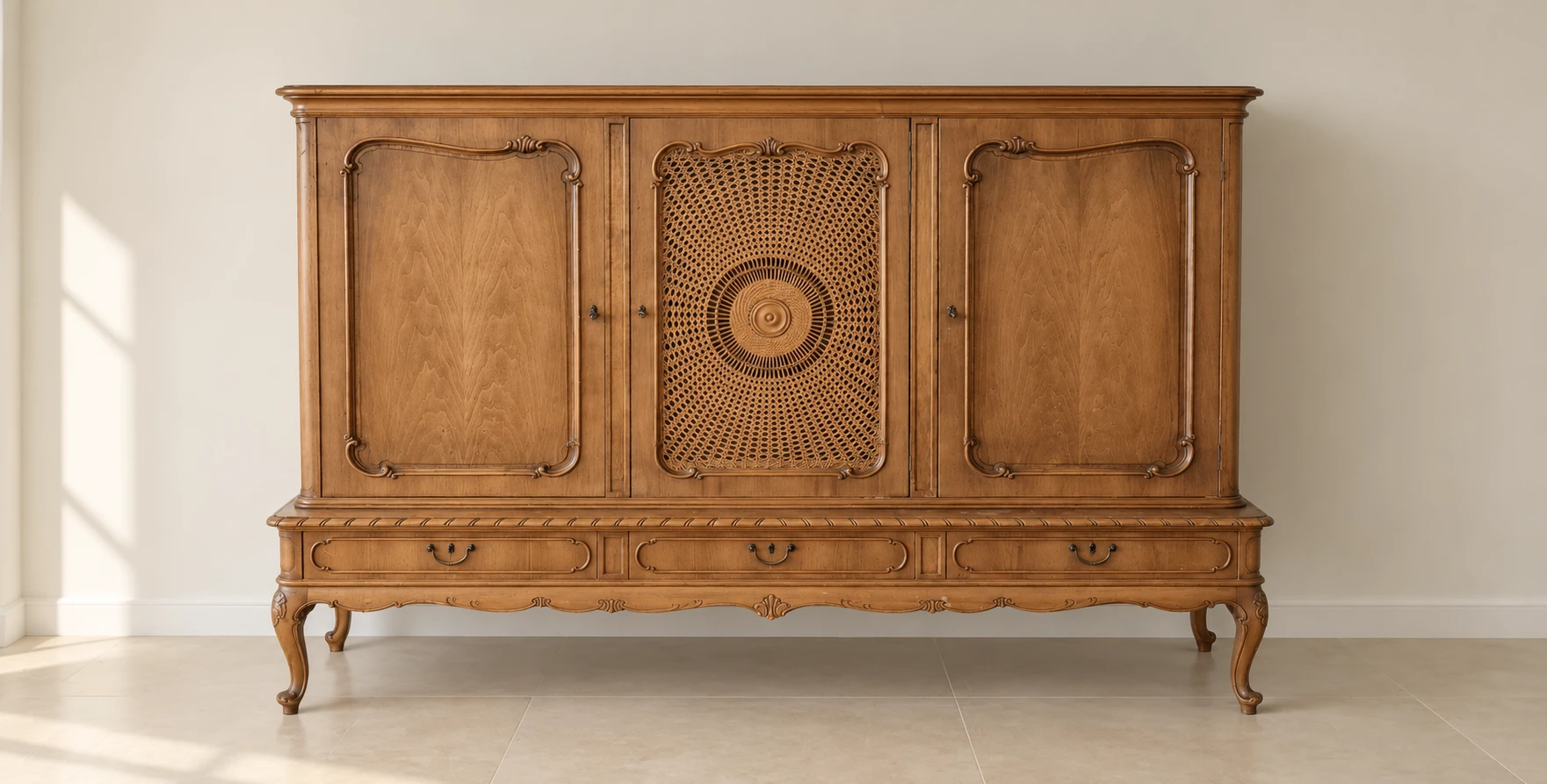
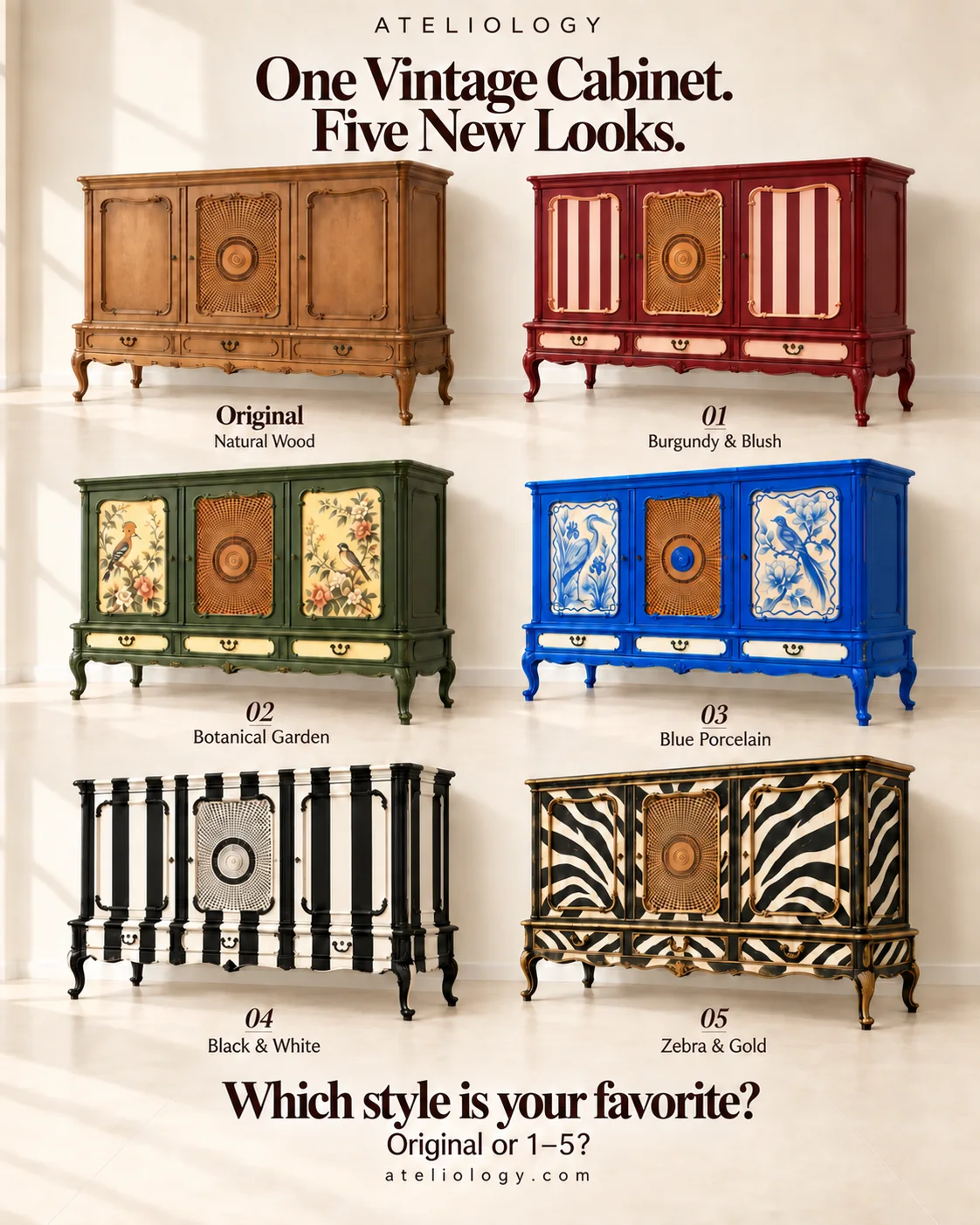
Warrings Chippendale Sideboard
c. 1960s/70s (German style-furniture tradition)

Warrings Chippendale Sideboard

Sweeping cabriole legs, ornamented door fronts, and more than 250 years of design history in one object: the Warrings Chippendale sideboard fuses 18th-century English Rococo with Germany's post-war style-furniture tradition.

View
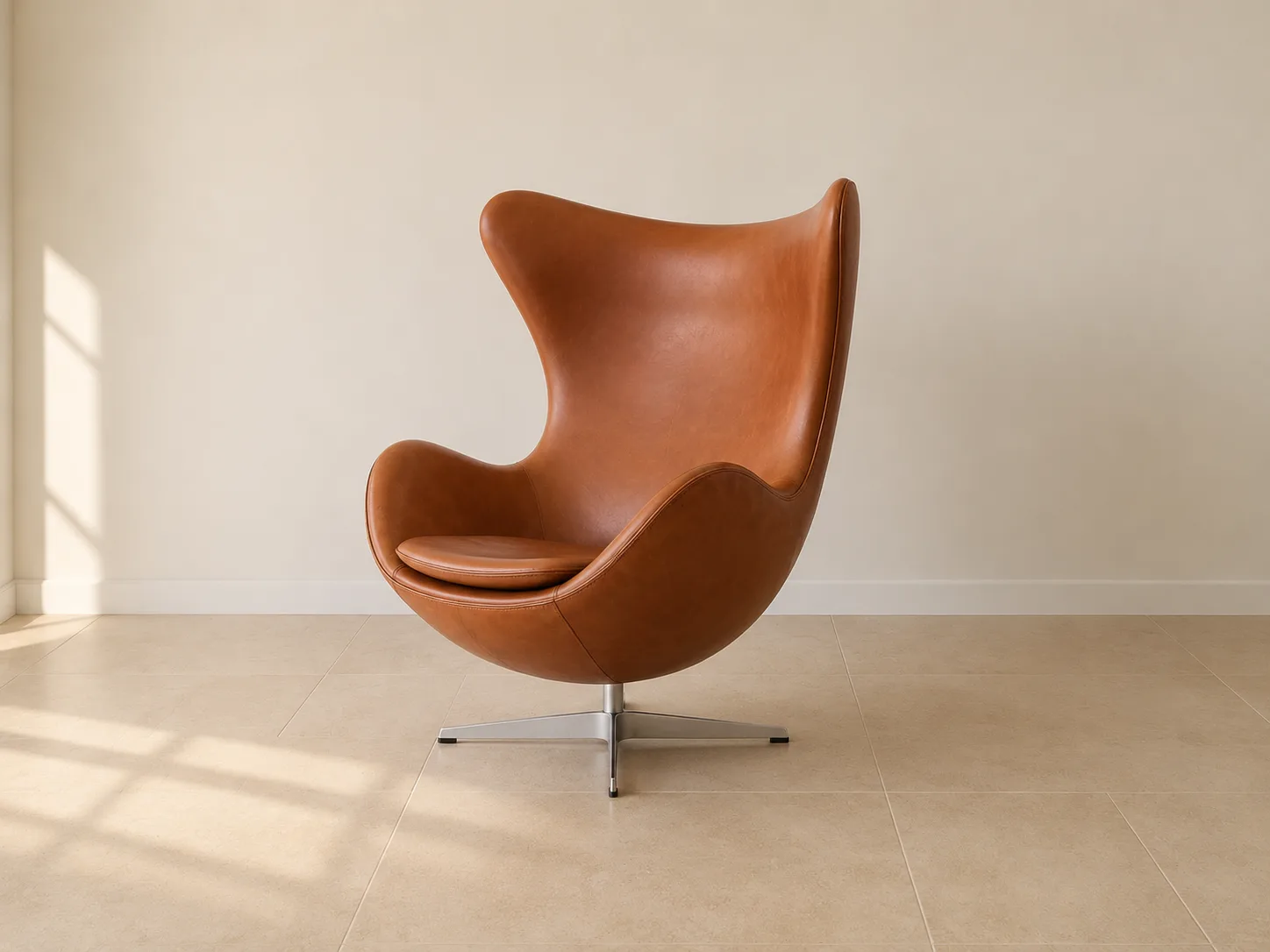
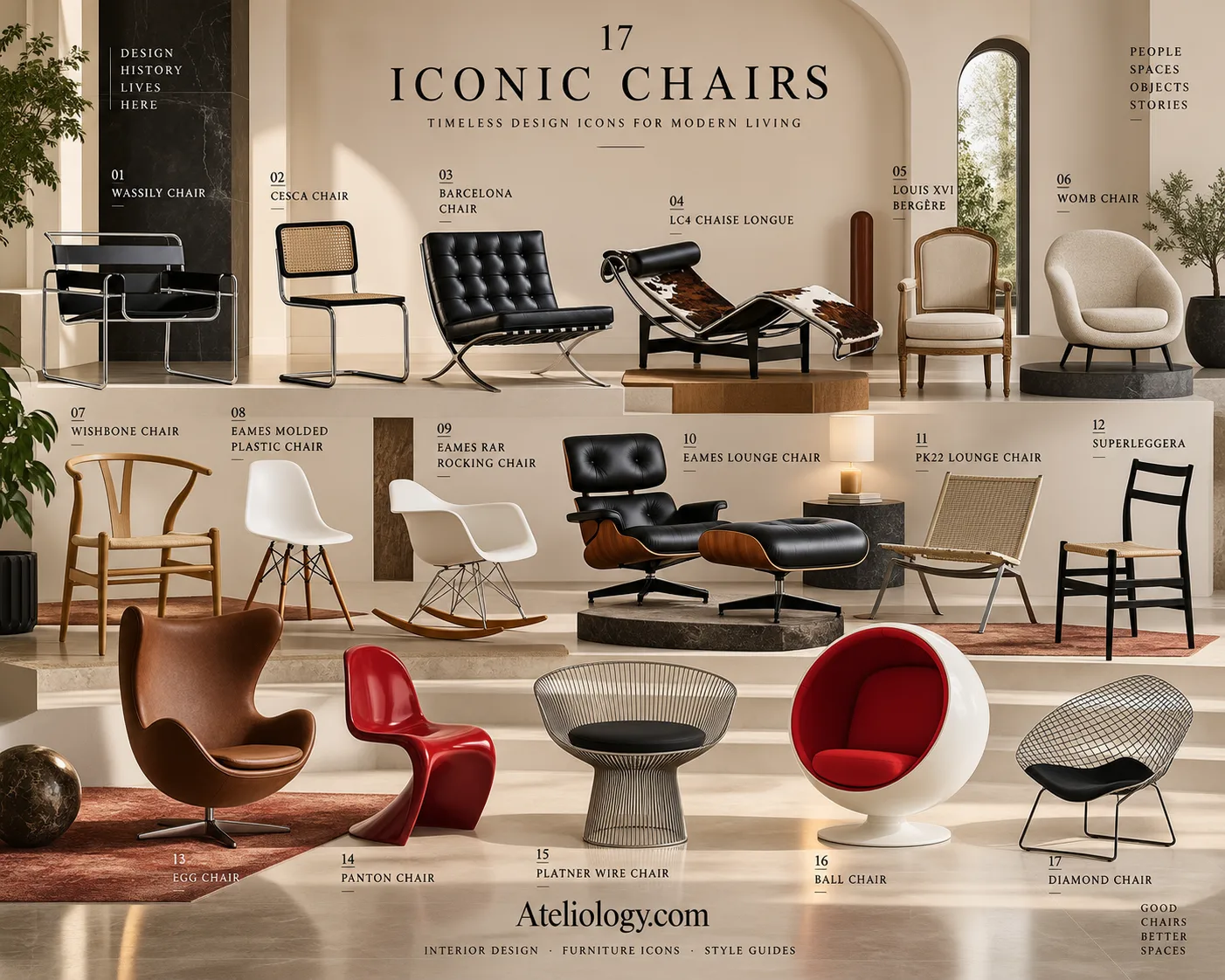
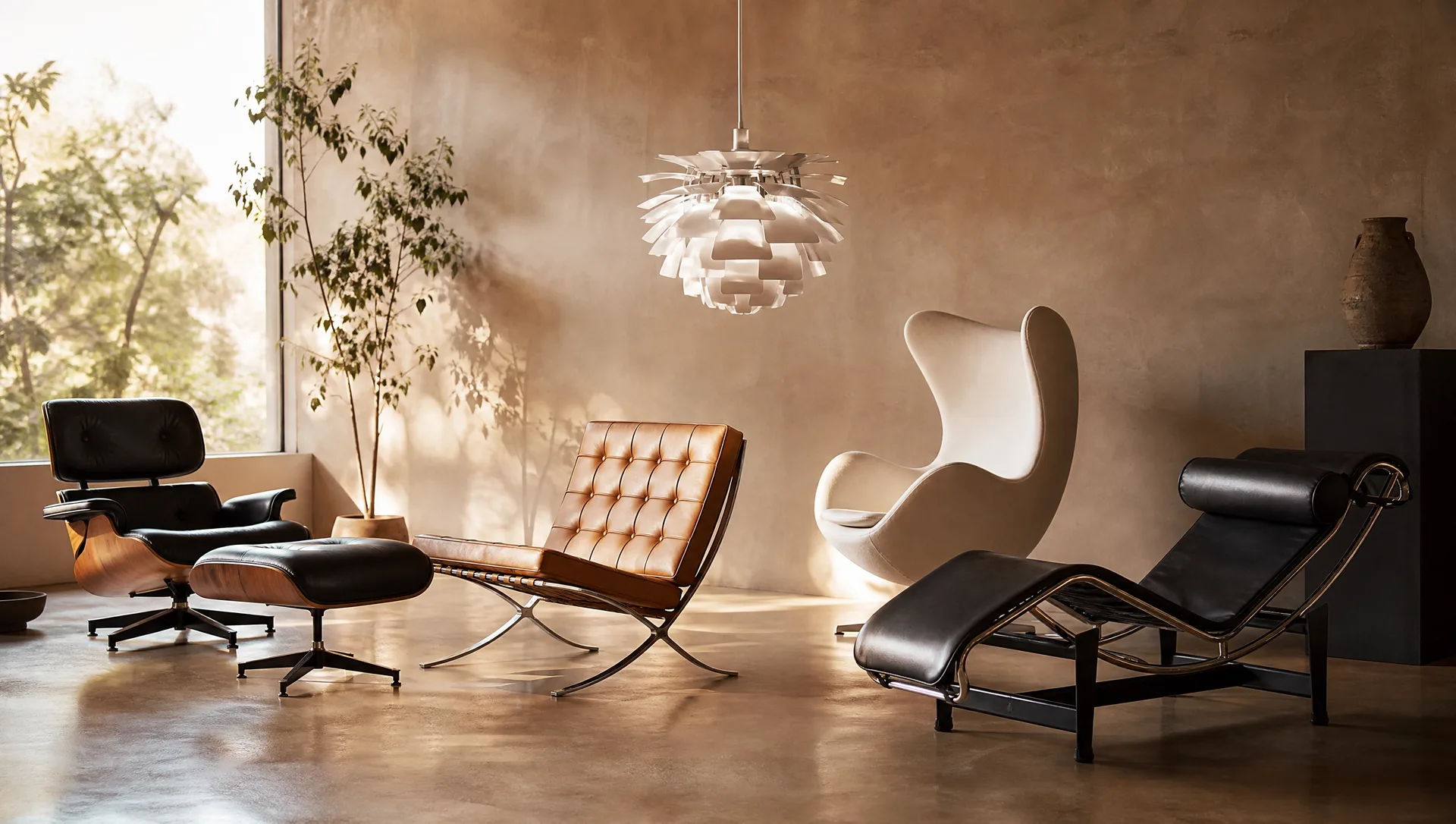
Egg Chair
1958 (Mid-Century Modern / early Space Age)

Egg Chair

A tall, sweeping backrest, wing-like sides, and an almost sculptural form: few pieces of furniture have a silhouette as instantly recognizable as Arne Jacobsen's Egg Chair — a symbol of post-war Scandinavian modernism.

View
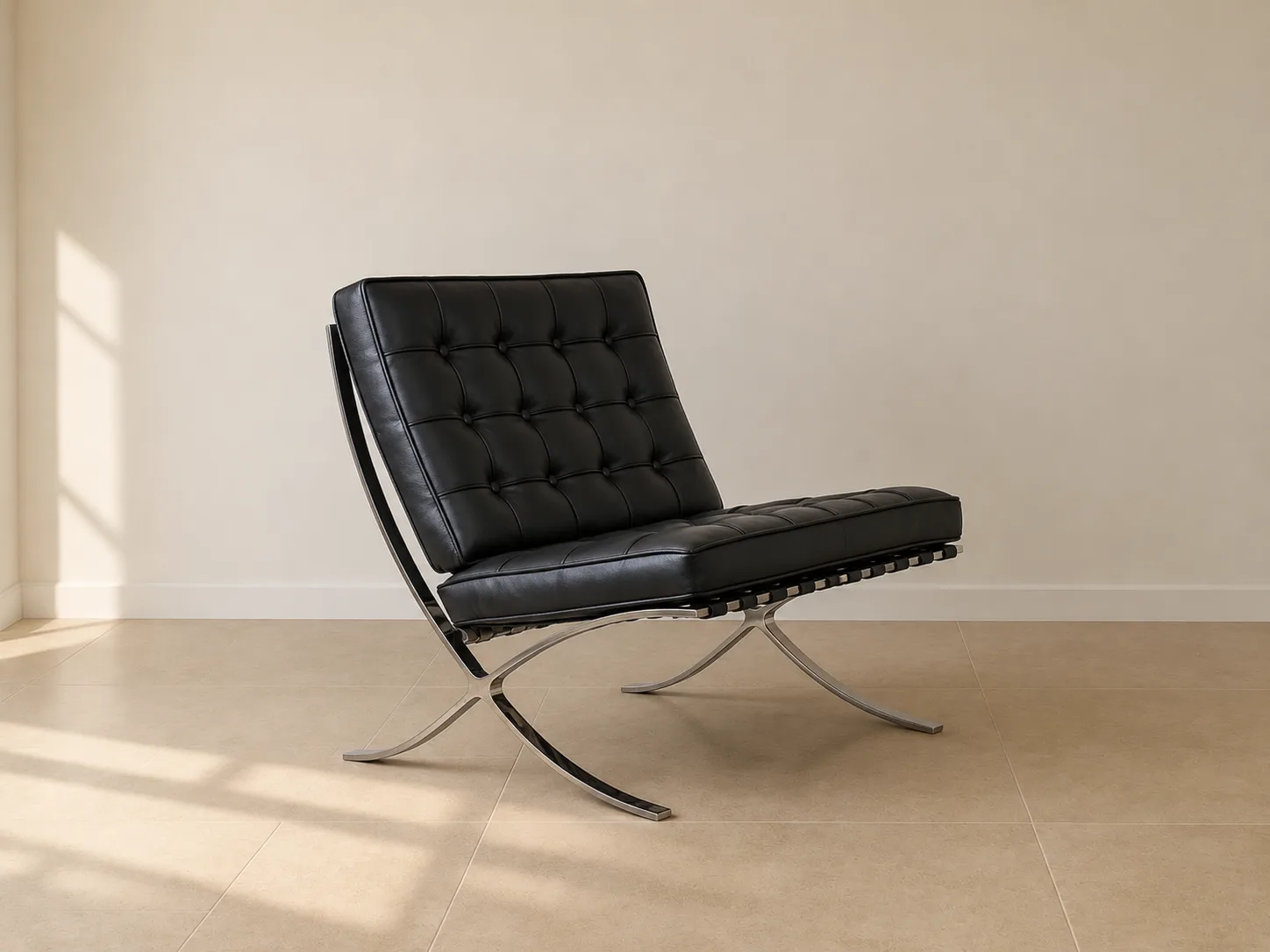
Barcelona Chair
1929 (Bauhaus / early modernism)

Barcelona Chair

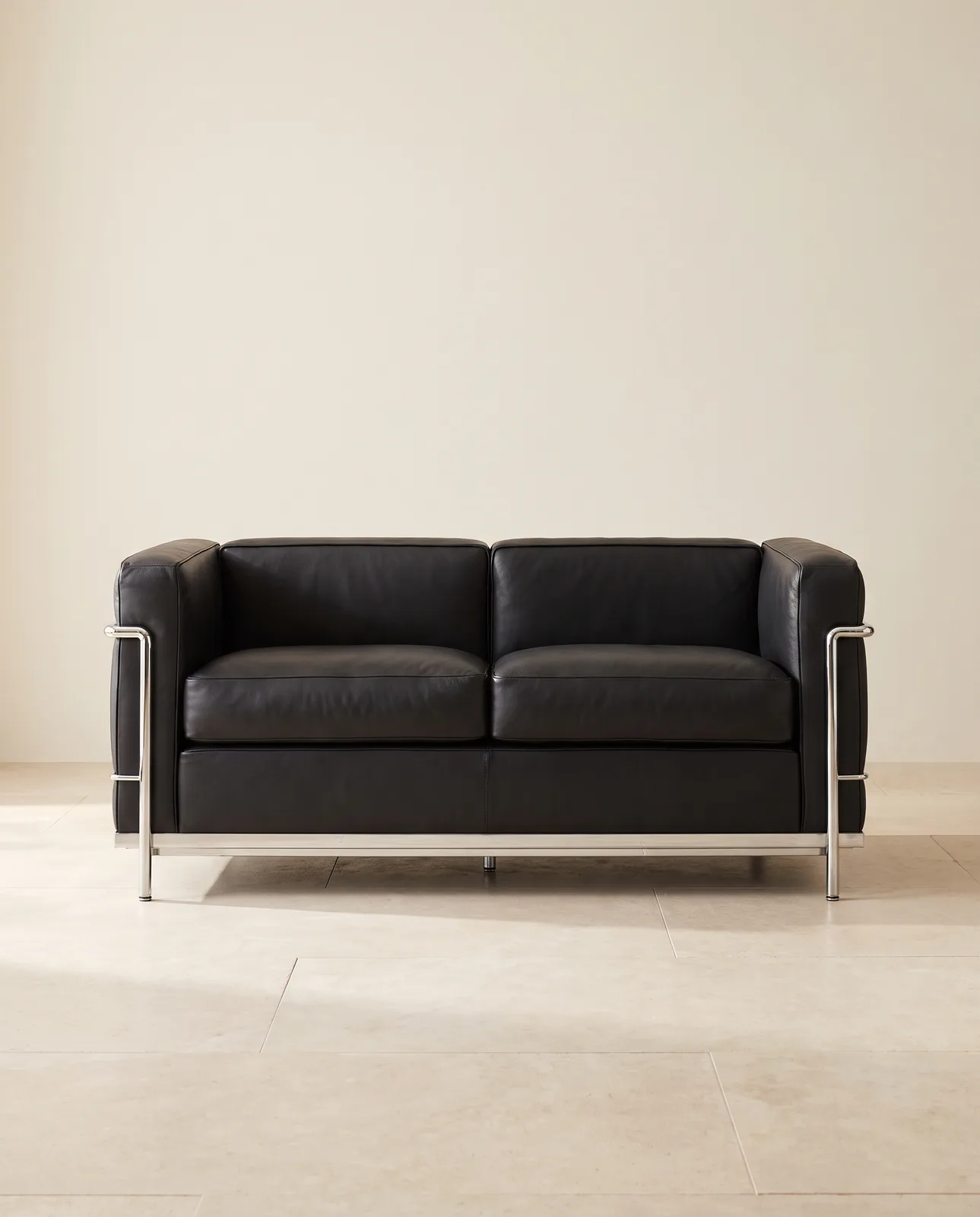
A flat, almost floating seat cushion, a striking X-shaped steel frame, and characteristic tufted leather: few pieces of furniture embody the idea that reduction can look more luxurious than ornament as clearly as the Barcelona Chair.

View
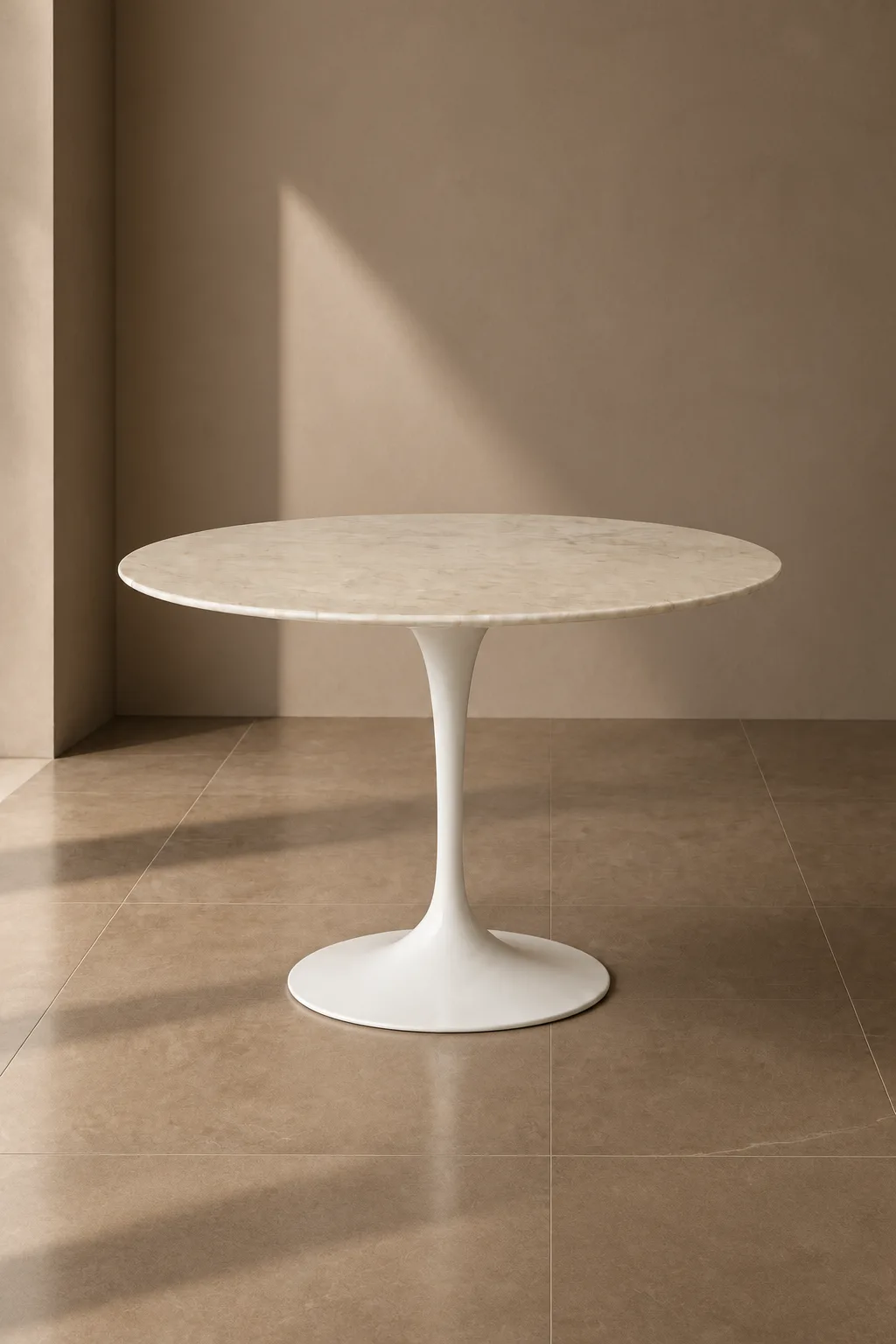
Tulip Table
1956 (Mid-Century Modern / Space Age)

Tulip Table

A single sculptural pedestal replacing four legs, a tabletop that seems to float above the floor: the Tulip Table is Eero Saarinen's answer to what he called the "slum of legs" beneath modern furniture — and one of the most recognizable silhouettes in design history.

View
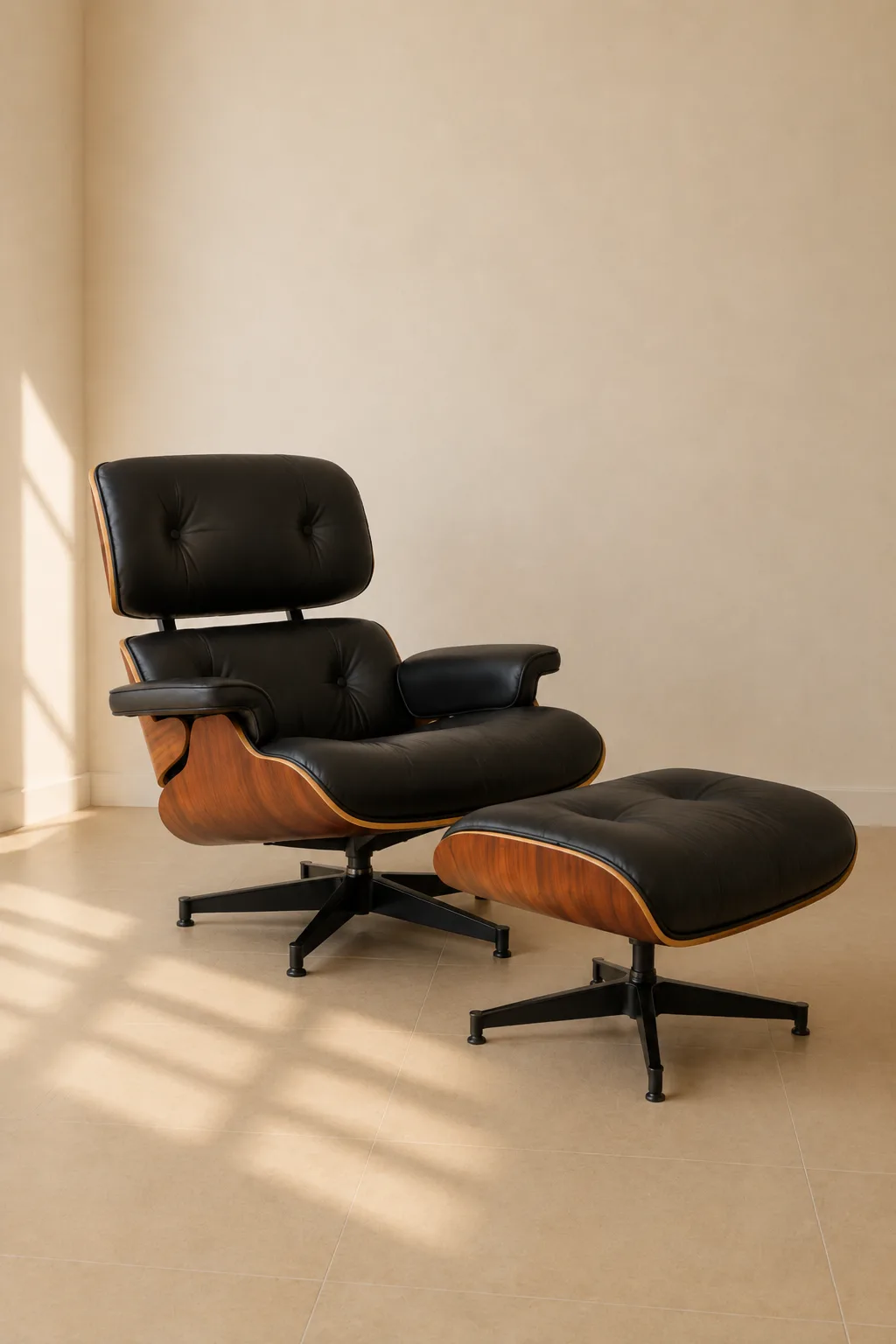
Eames Lounge Chair
1956 (Mid-Century Modern)

Eames Lounge Chair

Molded plywood shells, thick black leather cushions, and a silhouette that reinvented the traditional club chair: the Eames Lounge Chair and Ottoman, introduced in 1956, became one of the defining objects of twentieth-century furniture design — and a rare case of a modernist icon that still feels genuinely luxurious.
View
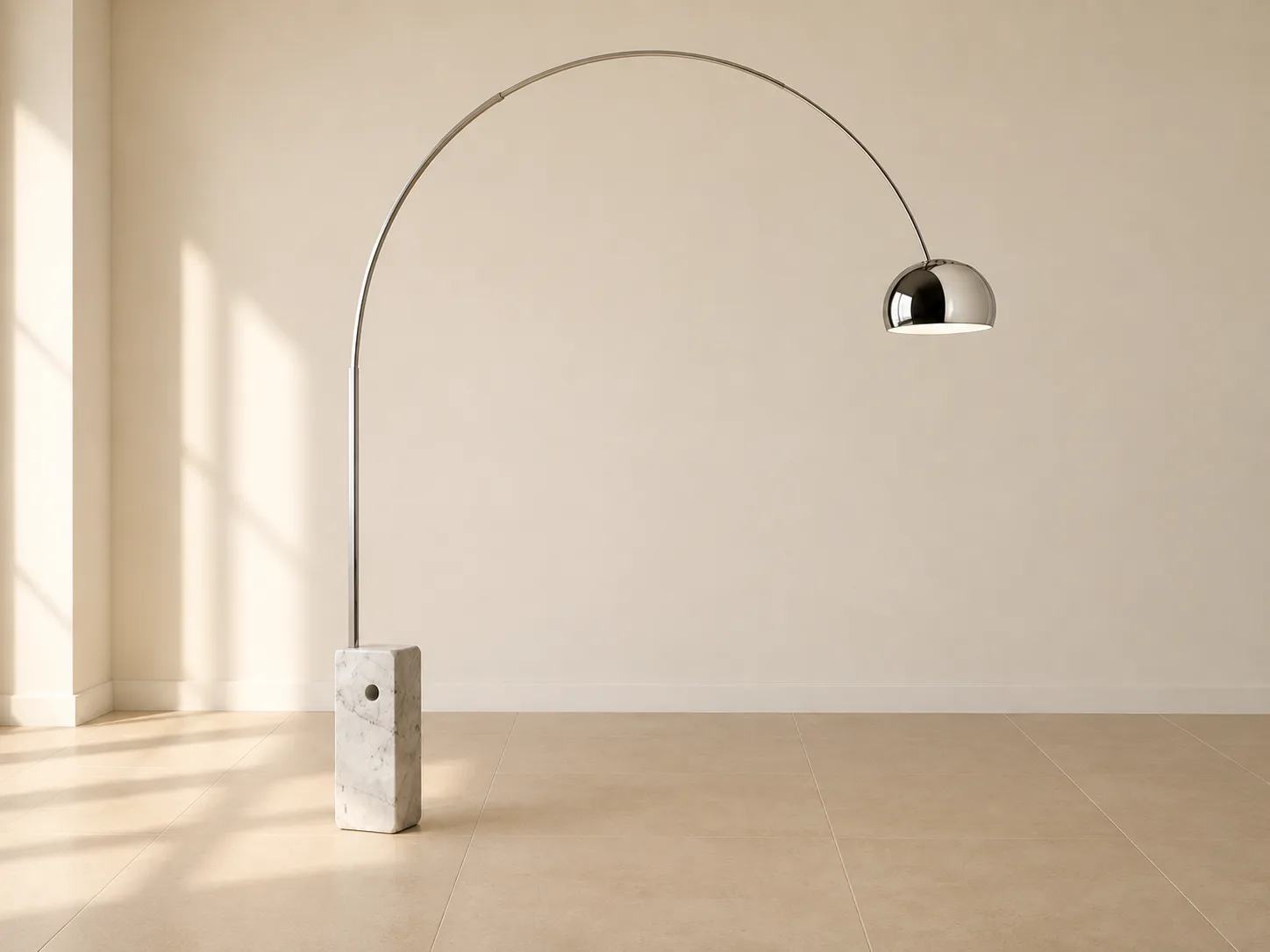
Arco Floor Lamp
1962 (Italian Modernism / Space Age)

Arco Floor Lamp

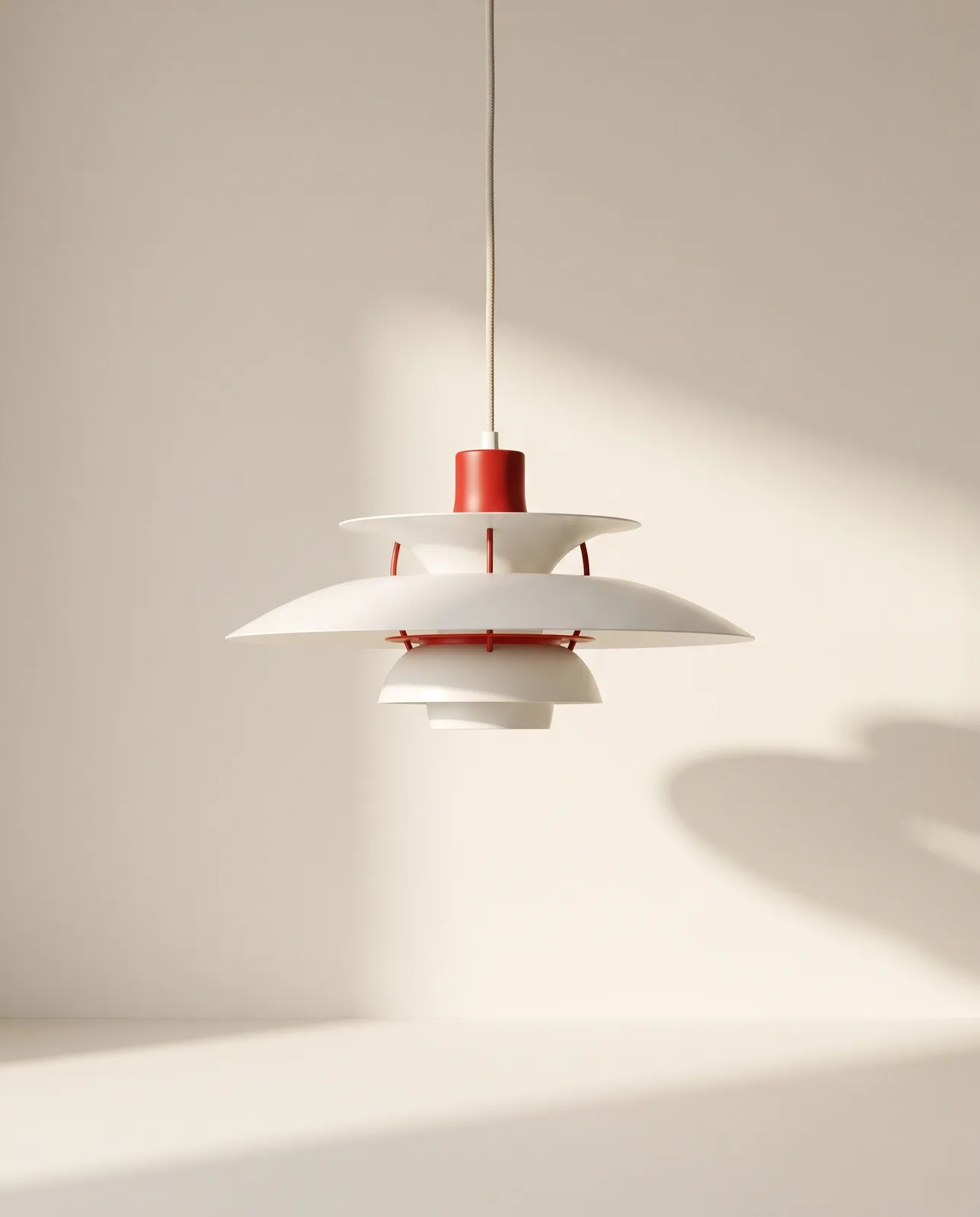
A heavy Carrara marble block, a sweeping stainless-steel arc, and a shade that hovers meters away from its base: the Arco Floor Lamp reimagined the street lamp for domestic life — and became one of the most recognizable silhouettes in twentieth-century design.
View
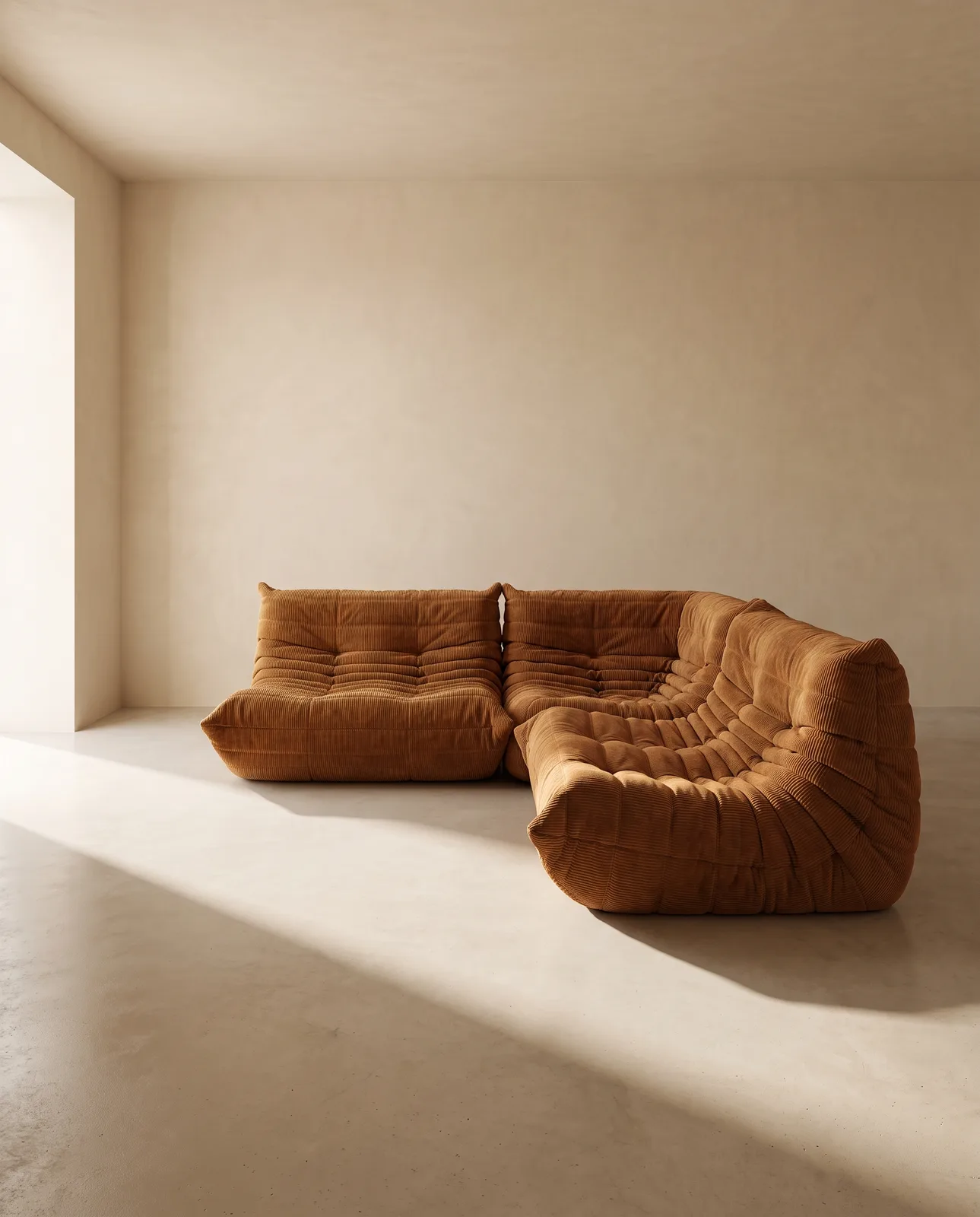
Togo Sofa
1973 (Boho / 1970s Postmodern)

Togo Sofa

No wood, no metal, no visible frame — just stacked, quilted foam cushions that pool across the floor like a crumpled tube of toothpaste. The Togo Sofa broke every rule of classic sofa construction in 1973, and went on to become Ligne Roset's best-selling piece of all time.

View
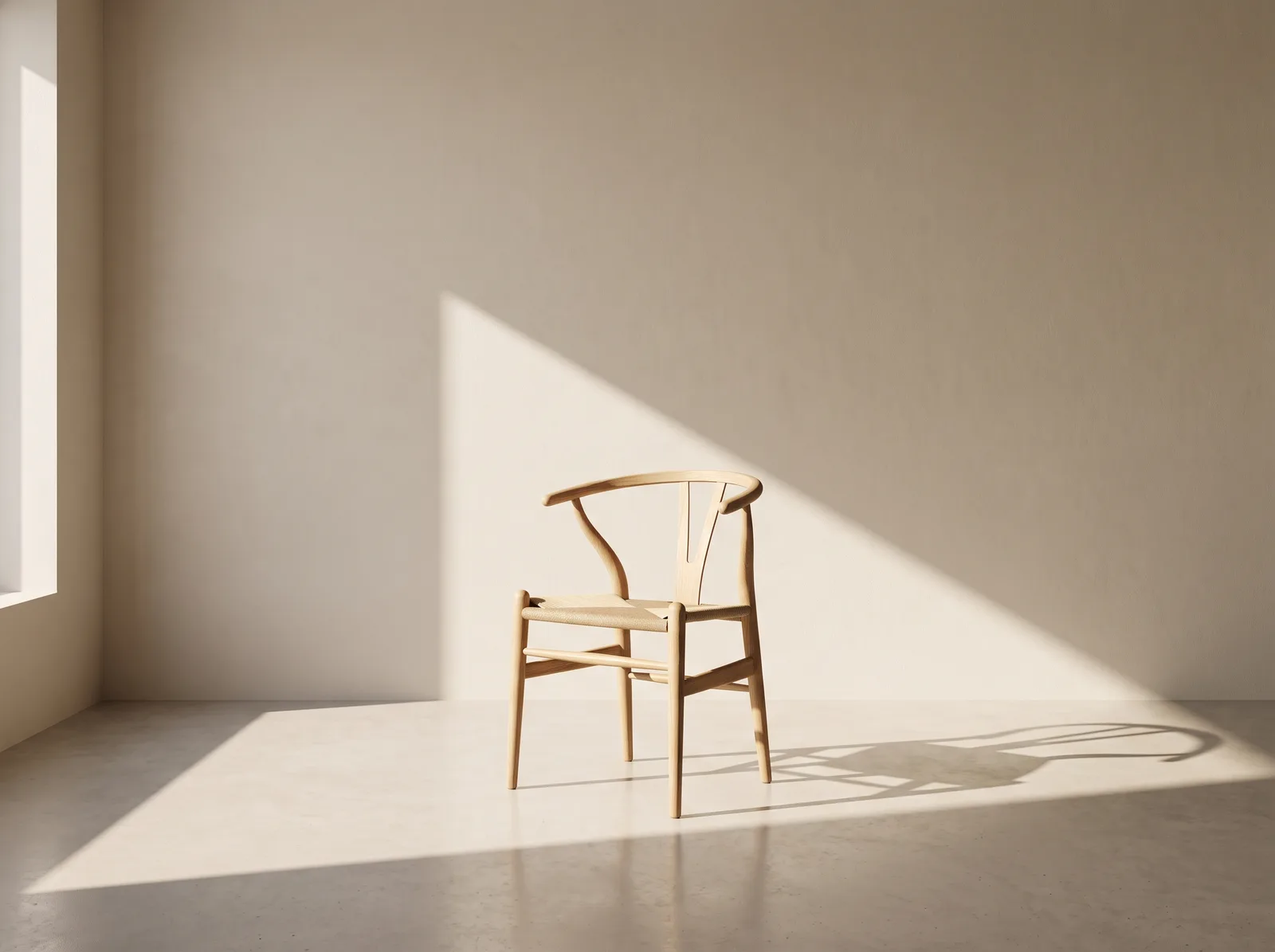
Wishbone Chair
1949 (Danish Modern)

Wishbone Chair

A steam-bent oak frame, a hand-woven paper cord seat, and a backrest shaped like a wishbone — since 1949, this chair has been one of the most copied and most continuously produced chairs in design history.

View
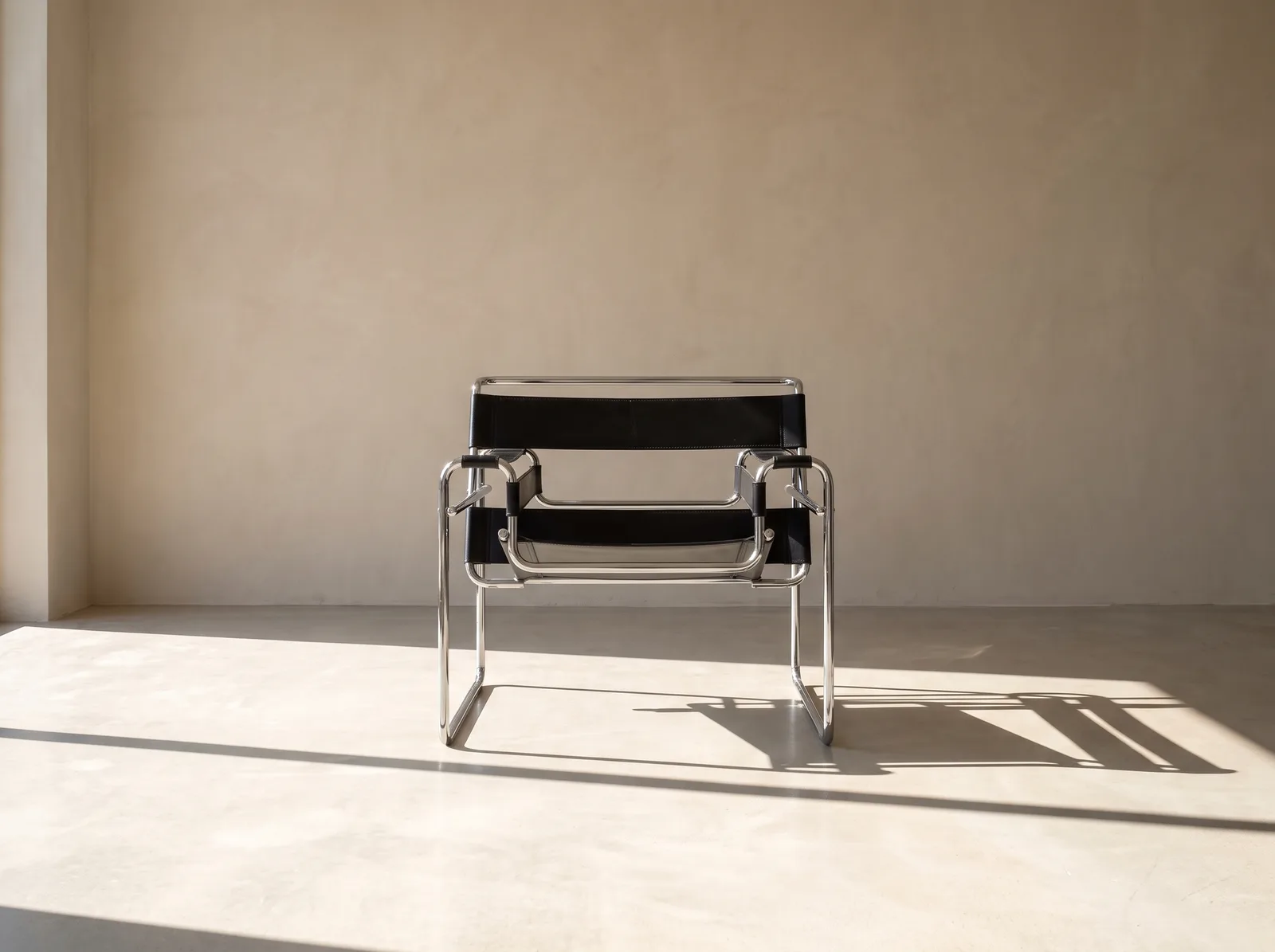
Wassily Chair
1925/26 (Bauhaus)

Wassily Chair

Inspired by bicycle handlebars, designed at the Bauhaus in Weimar: in 1925, the Wassily Chair was the first piece of seating furniture ever made from bent tubular steel — laying the groundwork for the entire modern furniture industry.

View
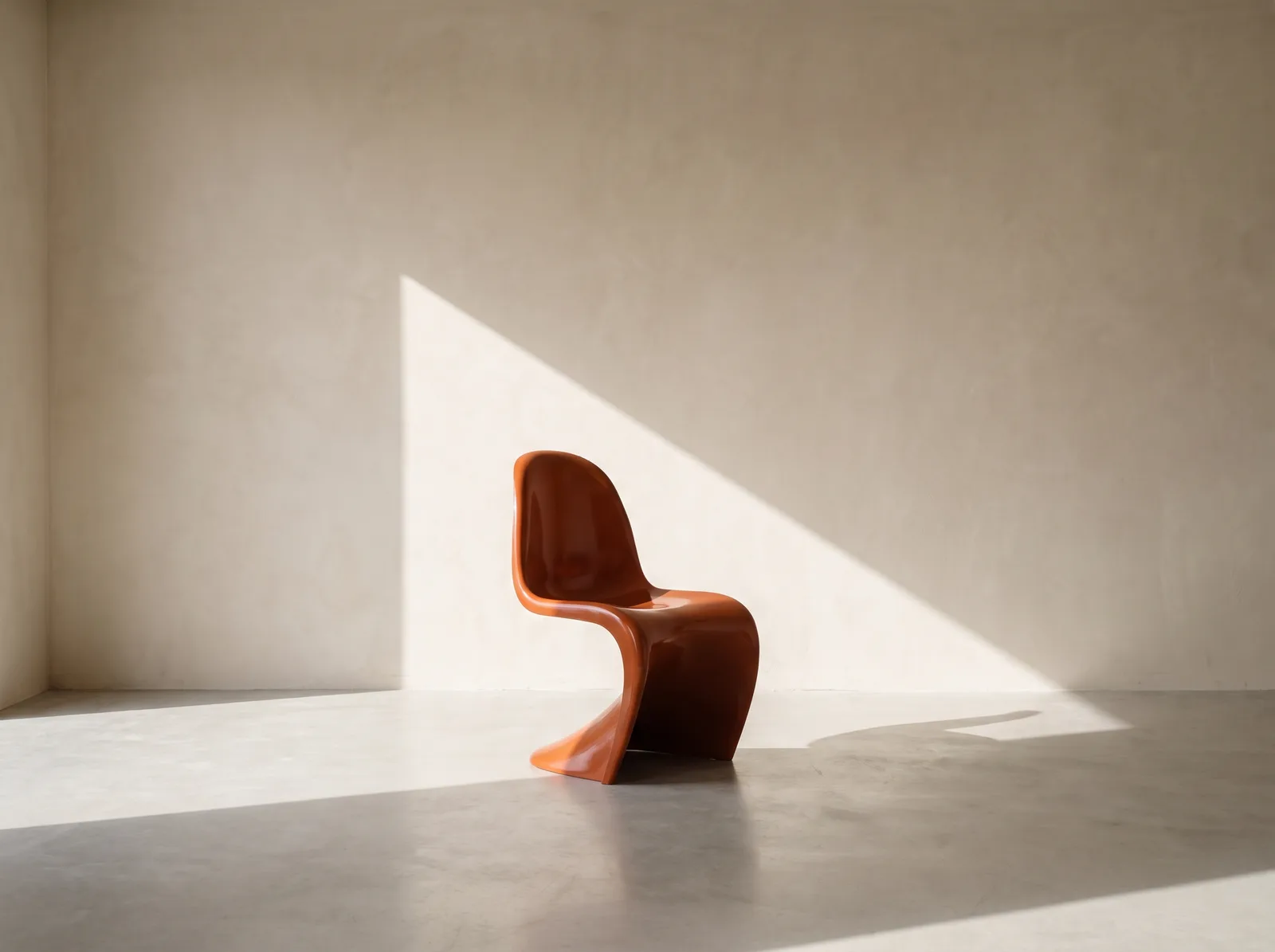
Panton Chair
1967 (Space Age / Pop Art)

Panton Chair

A single, sweeping piece of plastic with no legs in the traditional sense — in 1967, the Panton Chair became the first chair ever molded from a single piece of material, and it remains one of the boldest statements in furniture history.

View
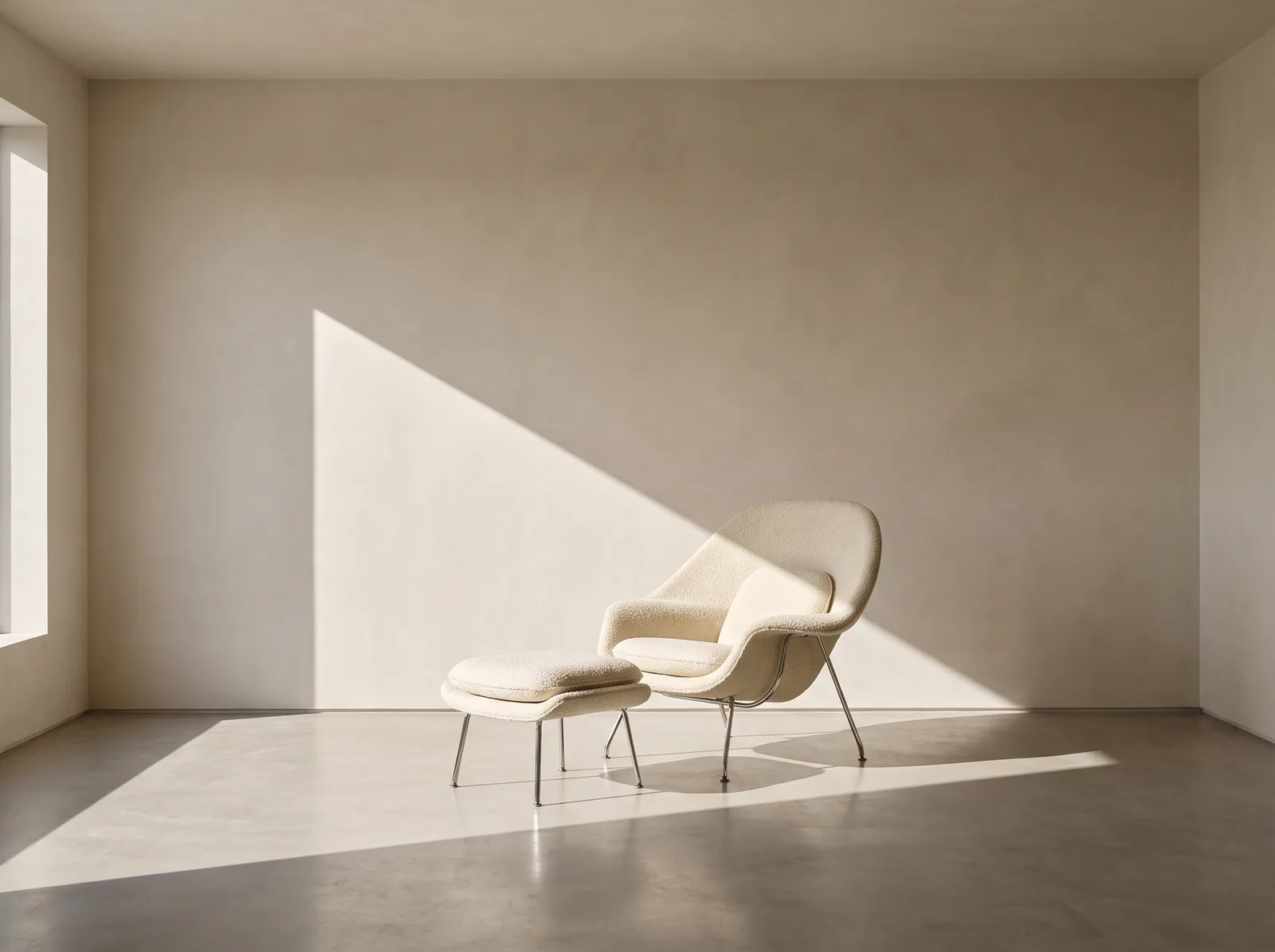
Womb Chair
1948 (American Modern)

Womb Chair

Designed at the request of a client who wanted a chair "she could curl up in" — in 1948, the Womb Chair became one of the first pieces of furniture deliberately designed around psychological comfort rather than just a place to sit.

View
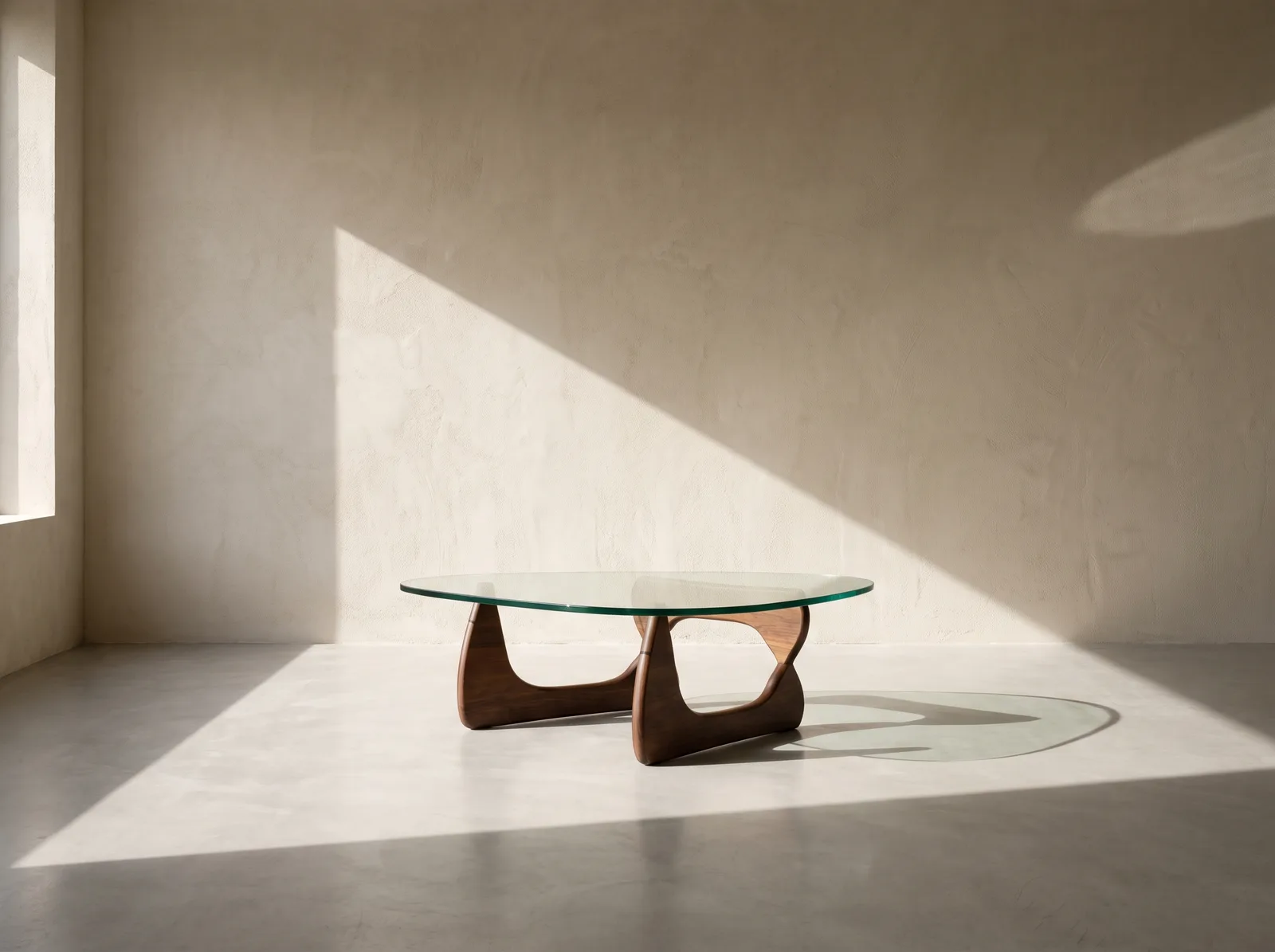
Noguchi Coffee Table
1944 (American Modern)

Noguchi Coffee Table

Two interlocking wood elements support a floating, freeform glass top — since 1944, the Noguchi Coffee Table has proven that a table made of just three parts can become one of the most sculptural icons in furniture history.

View