Hygge
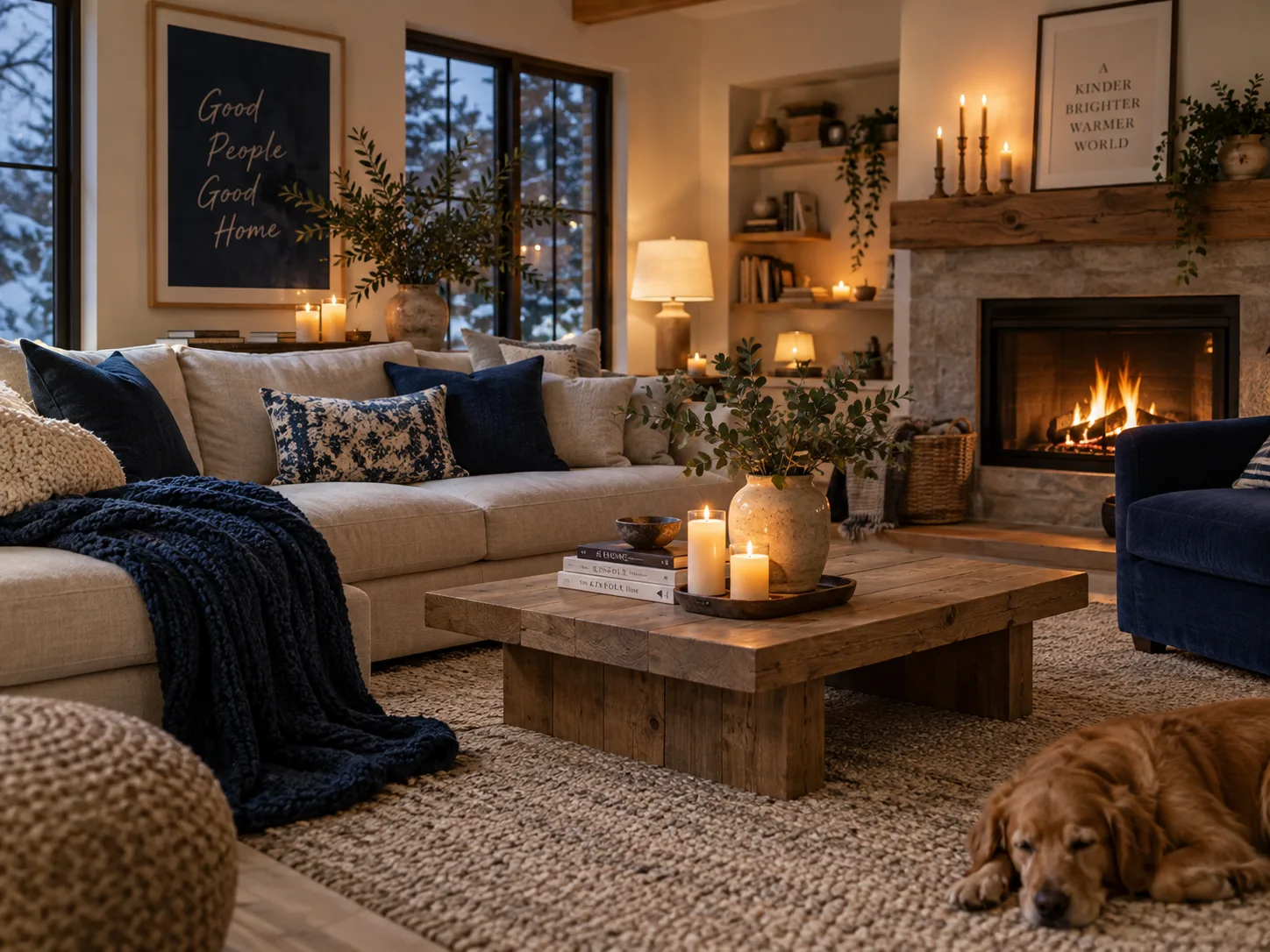
Candlelight, chunky wool blankets, and a sofa you never want to leave: Hygge isn't really an interior style in the classic sense, but a feeling of comfort — built on wood, linen, and a lot of warm light.
Where Does Hygge Actually Come From?
Today the word is mostly associated with Denmark. Its linguistic roots, though, lie in Norwegian, and revolve loosely around well-being, security, and the feeling of being sheltered and pleasantly looked after. In Denmark, hygge grew over time into a fixed part of everyday life. And once you factor in the climate, that suddenly makes a lot of sense. Scandinavian winters are long. It gets dark early, it's cold outside, and rain has presumably registered permanent residency there at some point. So what do you do? You simply declare your home the best place on earth. Instead of fighting the winter, you make yourself comfortable with candles, warm light, friends, coffee, good food, and soft blankets. That's hygge. Actually pretty clever. While the rest of us like to point out five times a day that the weather is bad, the Danes decided: "Fine. Then we'll just light some candles."
What Does Hygge Actually Look Like?
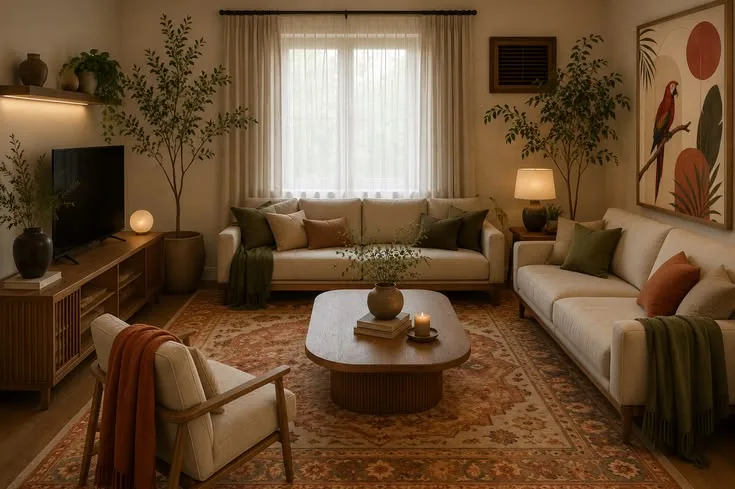
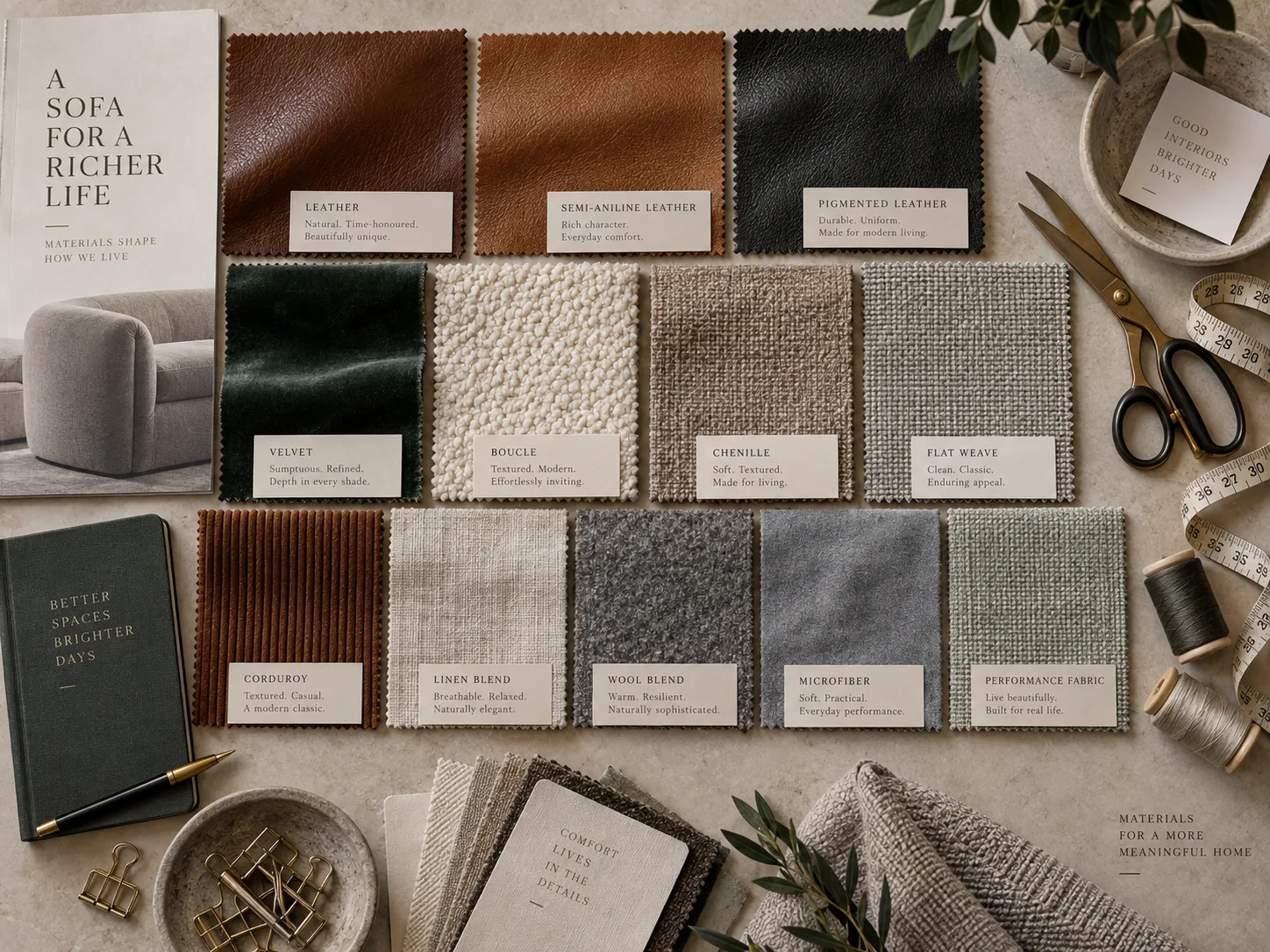
Try to translate hygge into an interior style and you quickly land on natural materials, soft colors, and a lot of texture. Wood plays a leading role — ideally light or warm-toned wood that doesn't look like it's been sealed in high-gloss lacquer ten times over. Add linen, wool, cotton, ceramics, woven baskets, and thick rugs. The color palette is usually calm: cream, beige, warm white, greige, taupe, light brown, and occasionally a muted green or gray. At first that sounds a bit like "50 Shades of Oat Milk." But the difference lies in the materials. A hygge room doesn't run on everything being the same color. It runs on different surfaces playing off each other. A coarse wool rug next to smooth wood. A rumpled linen throw on a soft sofa. Ceramics next to a woven basket. Suddenly beige gets interesting. Yes, that's actually possible.
Light Matters More Than Almost Anything Else
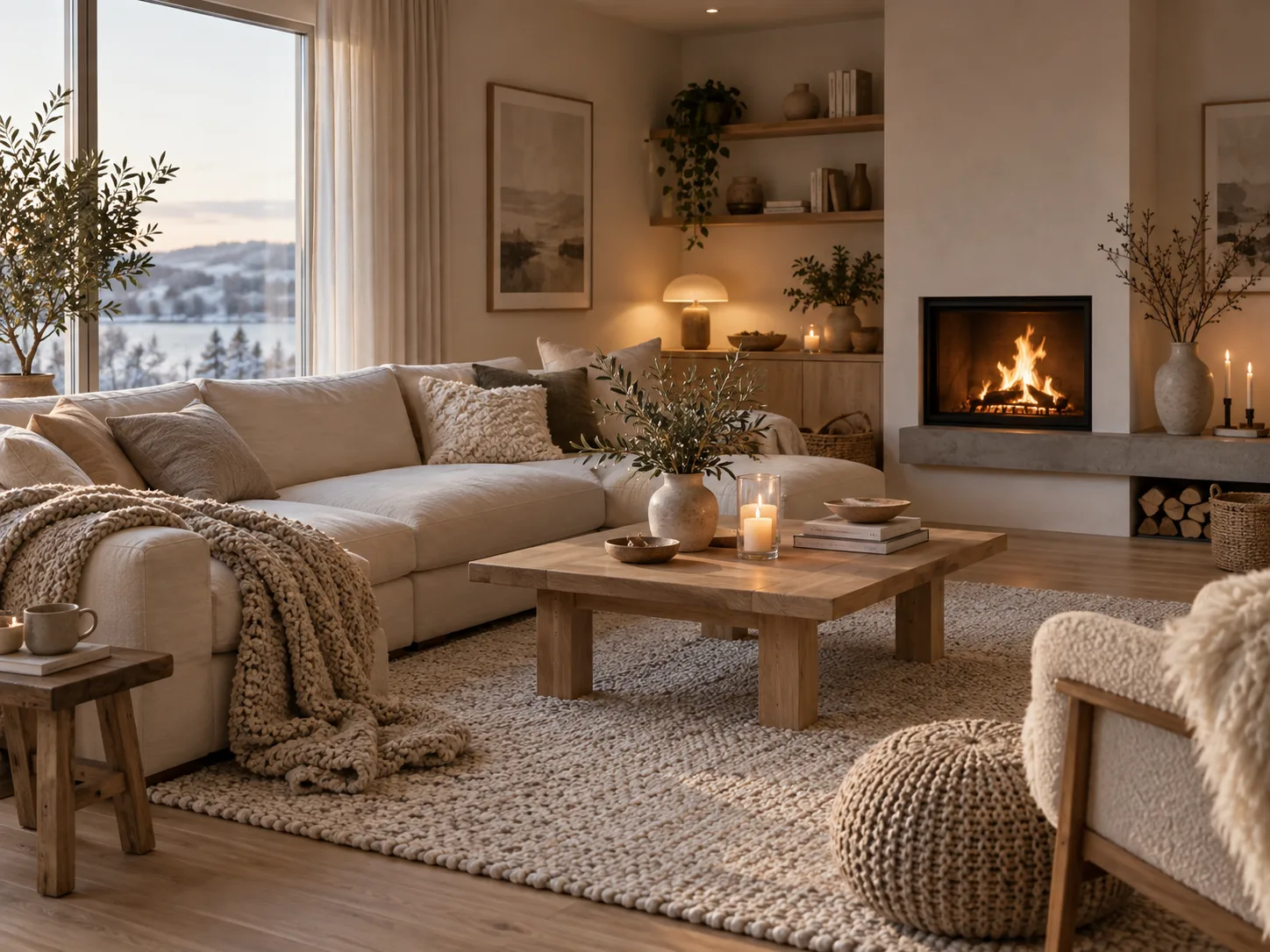
If there's one secret hygge recipe, it's light. And not the light of a single lonely ceiling fixture that gives a room the mood of a dentist's waiting room. Hygge loves light sources: table lamps, floor lamps, small wall sconces, candles, lanterns. Ideally several of them at once. The light should be warm, and it shouldn't flood every corner of the room. Shadows are part of the deal. A living room instantly feels cozier when it isn't brutally lit at 4,000 lumens. A small lamp on the sideboard, two candles on the table, and maybe a fire in the fireplace create several little islands of light. And it's exactly these light islands that make a room interesting. It automatically feels more intimate.
The Living Room: Hygge Headquarters
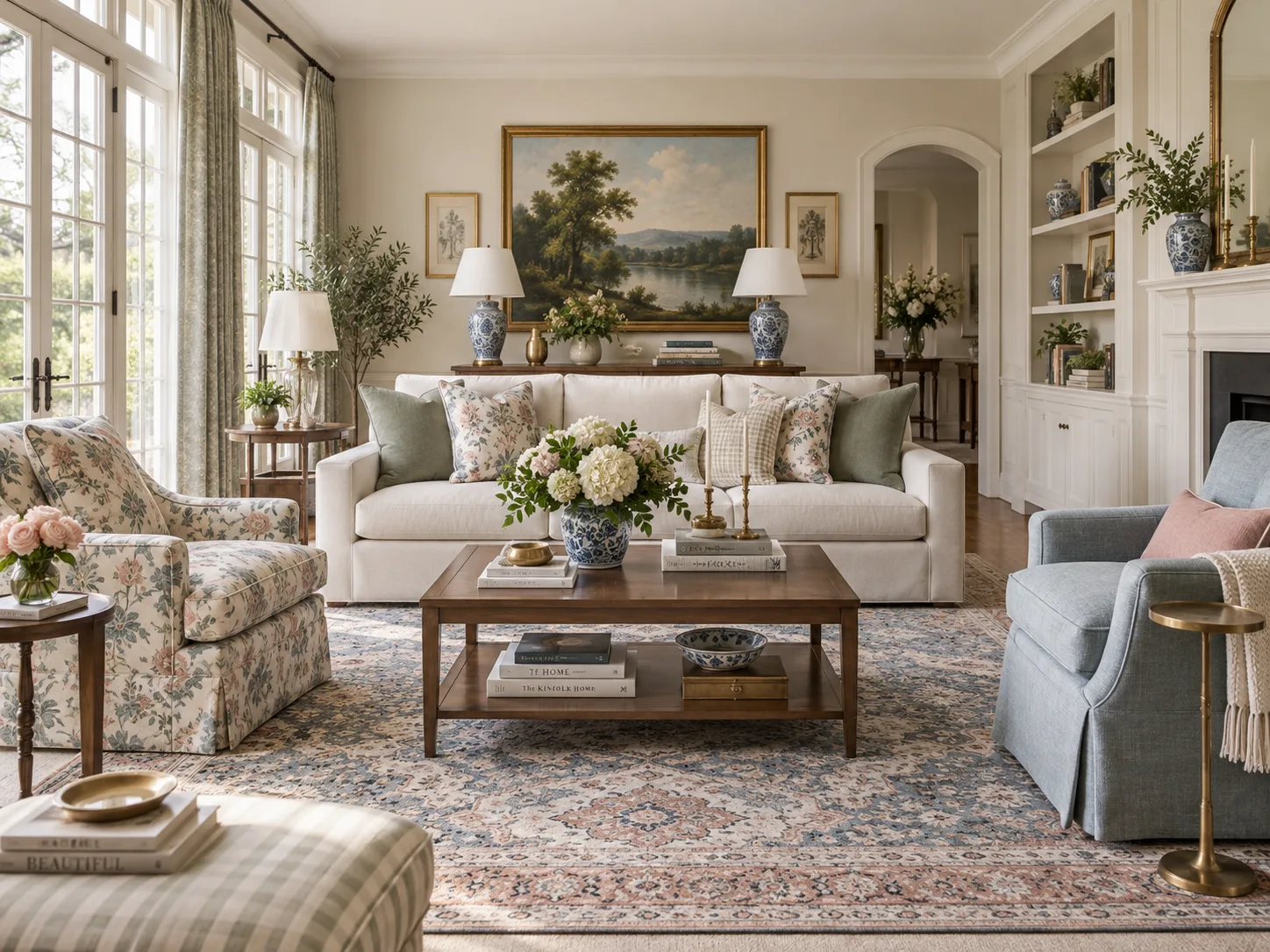
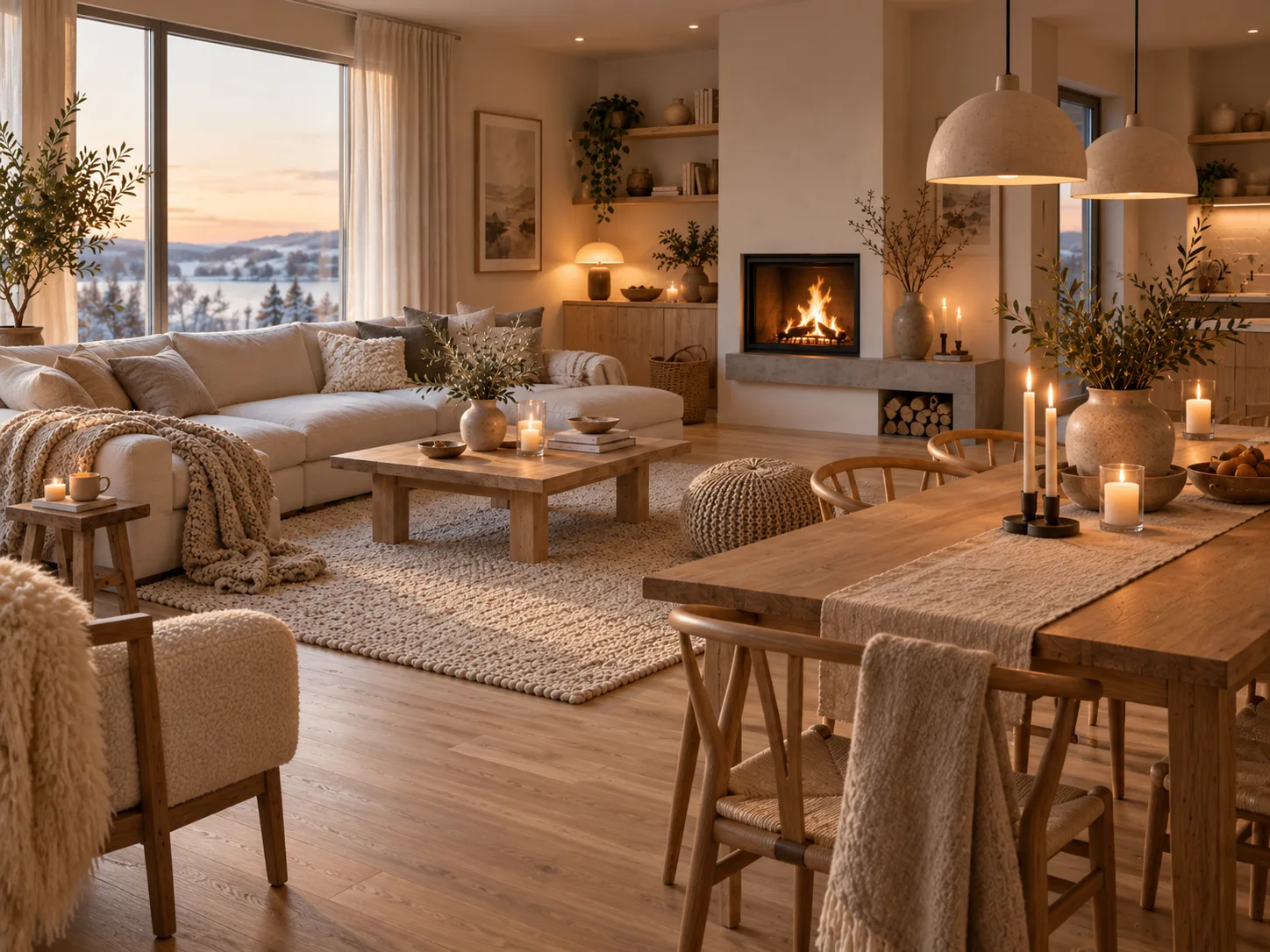
The living room is probably the most natural home for hygge. A big sofa, lots of cushions, a blanket that basically lives permanently draped somewhere, and a wooden coffee table — that's the basics sorted. Then come the small things: a candle, a mug, a few books, maybe a vase with some branches in it. And, of course, a rug. A living room without a rug can absolutely be beautiful. But a hygge living room without a rug feels a bit like Christmas without cookies. Technically possible. But why would you? The rug visually ties furniture together and takes the hardness out of a room. Chunky wool rugs or hand-woven ones work especially well here.
And the Dining Table?
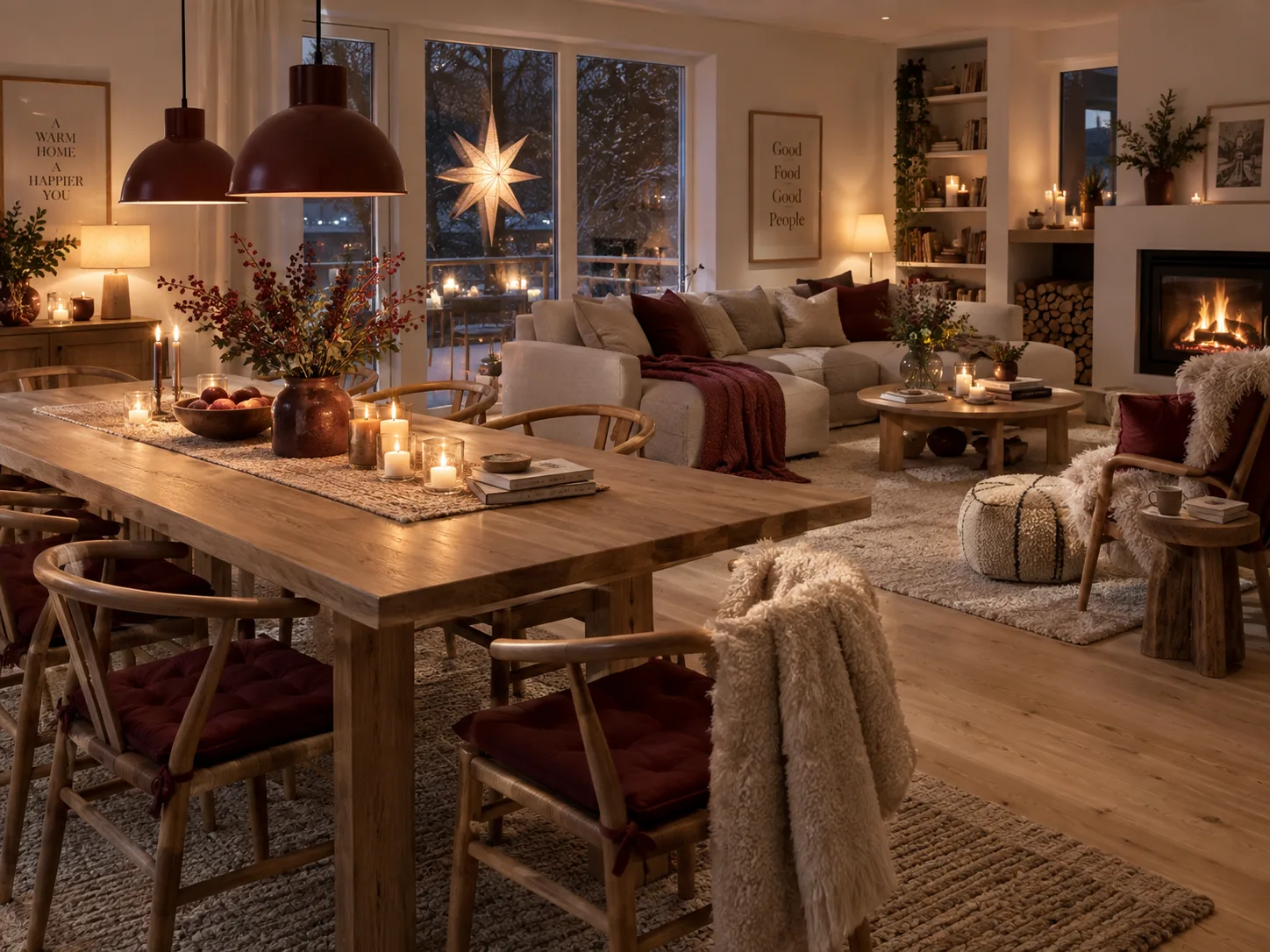
Hygge loves shared moments, which is exactly why a big wooden table fits so well. Not necessarily perfectly lacquered. Not necessarily flawless. Maybe even a little scratched. Because hygge isn't a style where you panic if someone sets their coffee mug down without a coaster. That would probably be the exact opposite of hygge. The dining table is meant to be used. This is where people eat, talk, and eventually someone starts debating whether to open another bottle of wine. Spoiler: of course you should. Large pendant lamps work wonderfully above the table — they visually pull the room together and create an intimate zone. Add a few candles and suddenly even a random Tuesday evening looks like someone filmed a Scandinavian Christmas commercial.
The Bedroom Is Allowed to Look Like Someone Actually Sleeps There
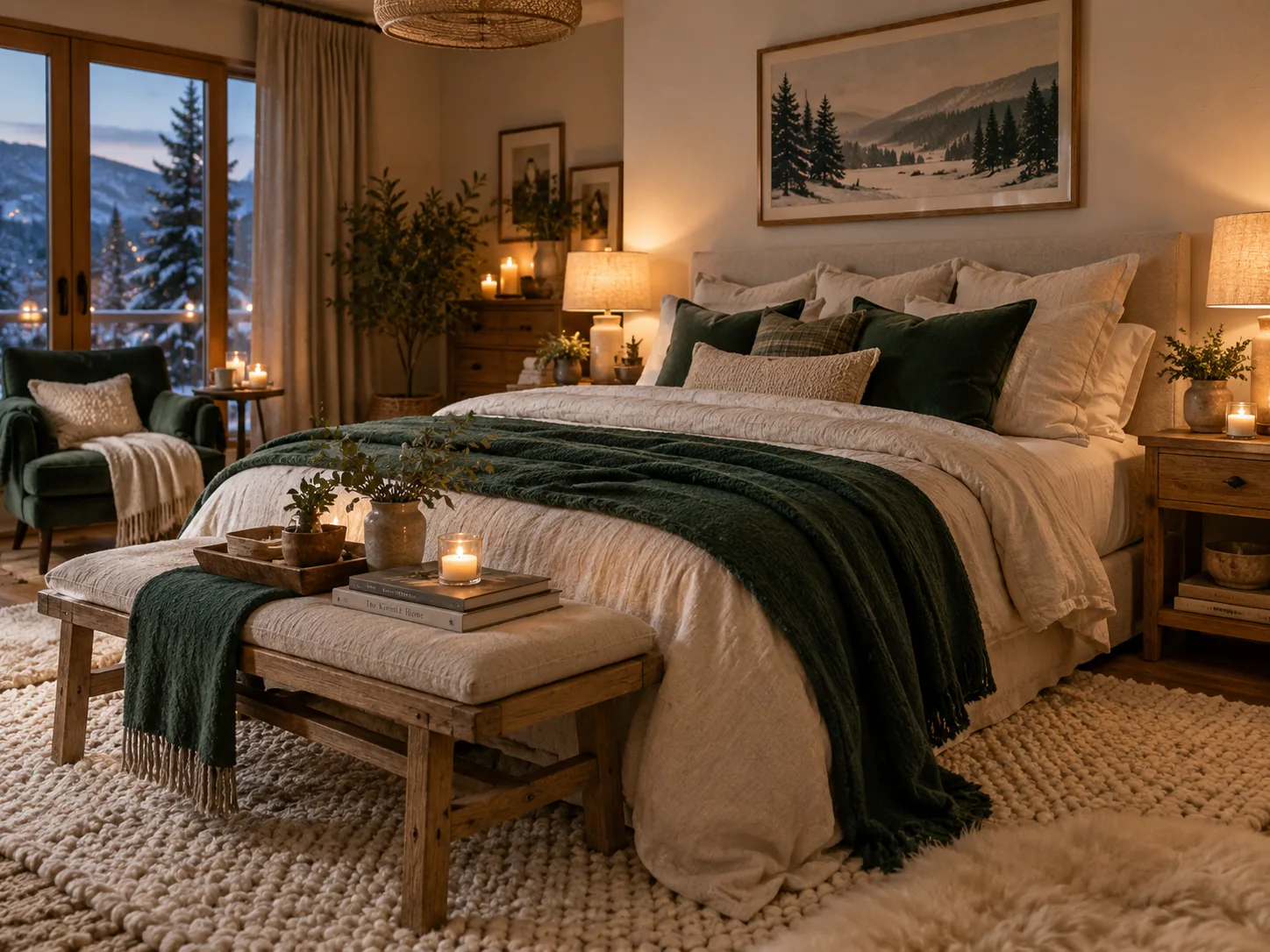
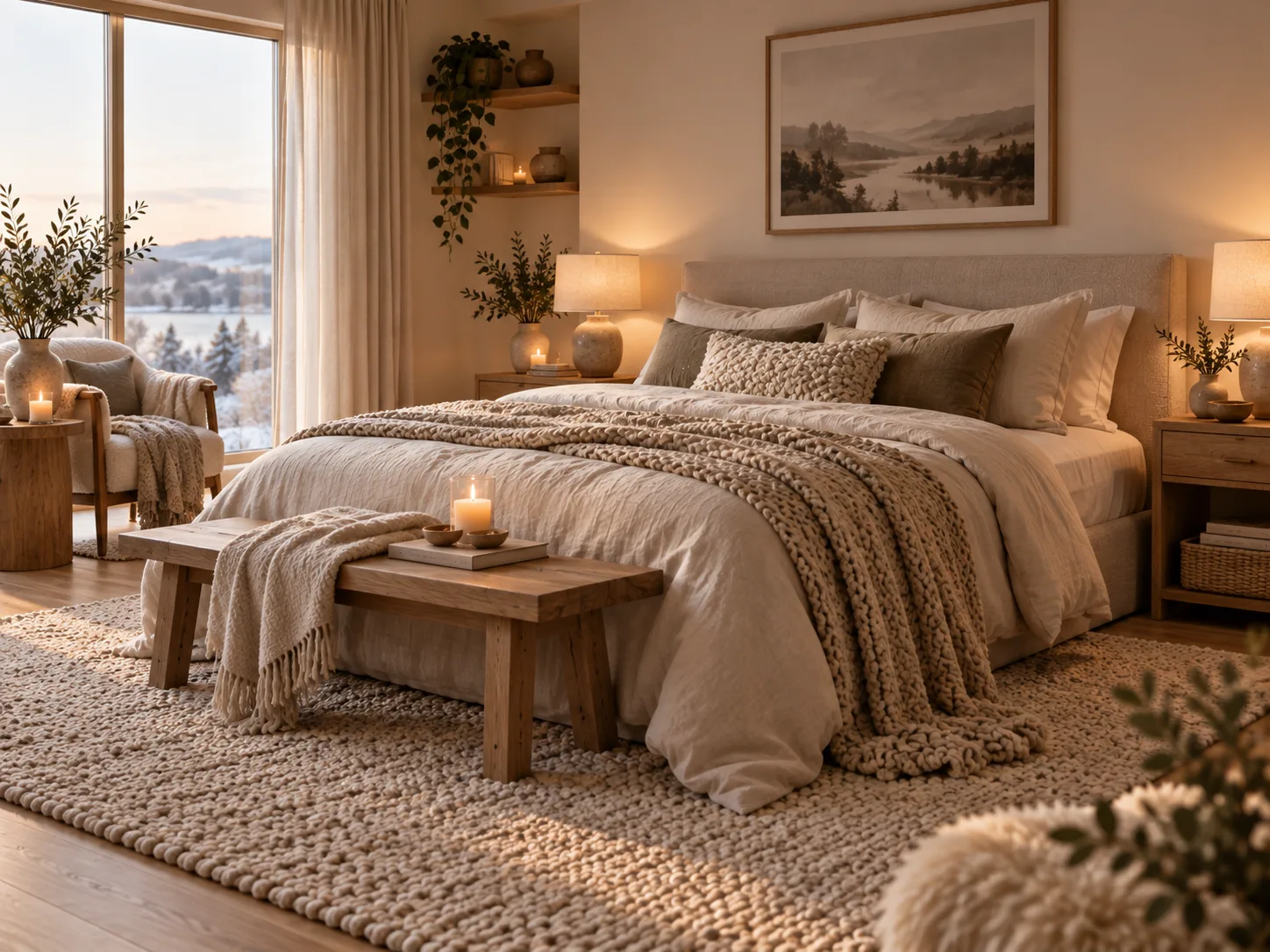
That sounds obvious. It isn't, though. Plenty of bedrooms look so perfect in photos that you're almost afraid to sit on the bed. Hygge likes things a little looser. Linen bedding is allowed to have creases. A knitted throw is allowed to hang half off the edge of the bed. Cushions are allowed to come in different sizes. It should look inviting. Not on display. That's exactly why hygge bedrooms tend to feel so pleasant. They don't say, "Please don't touch anything." They say, "Lie down." A pretty good concept for a bedroom.
The Hallway Is Often Forgotten
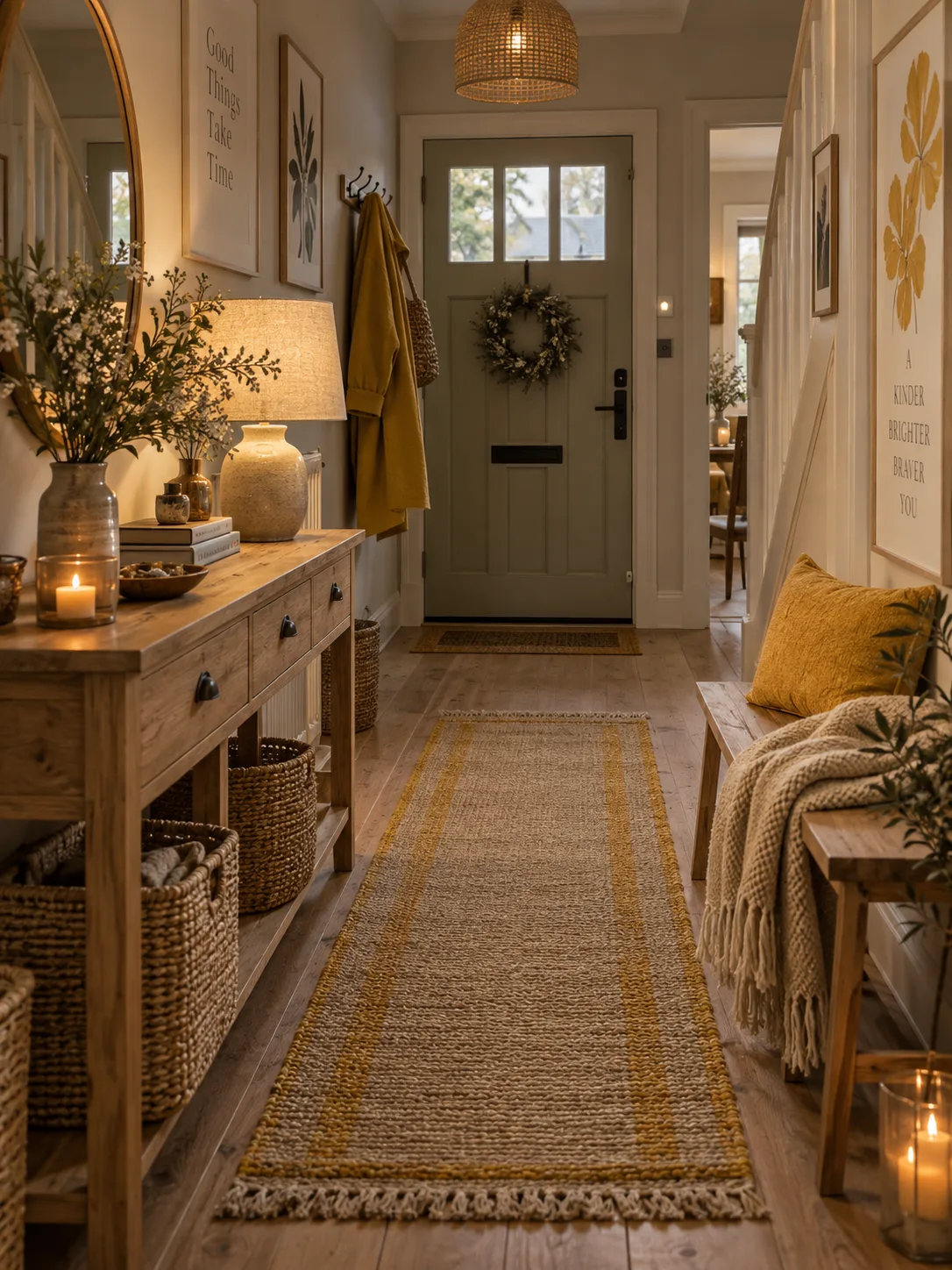
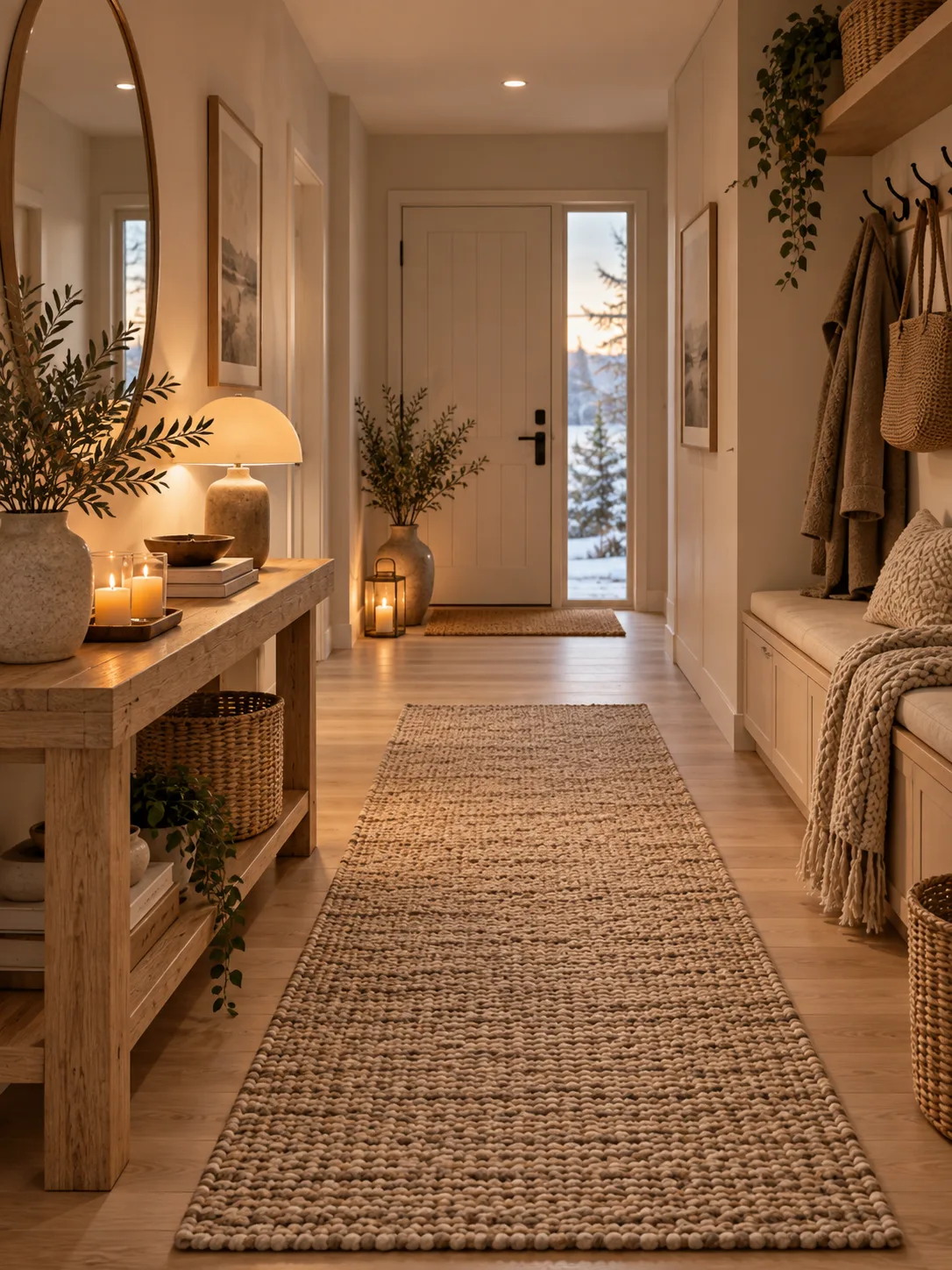
And yet the hallway decides within a few seconds how an entire home feels. A hygge hallway doesn't need a big production. A wooden bench, a soft runner, a basket, a warm lamp, and maybe a plant are completely enough. Here, too, the rule holds: a few good things beat twenty little decorations. Hygge is cozy. Not cluttered. That's an important distinction.
Even the Balcony Can Do Hygge
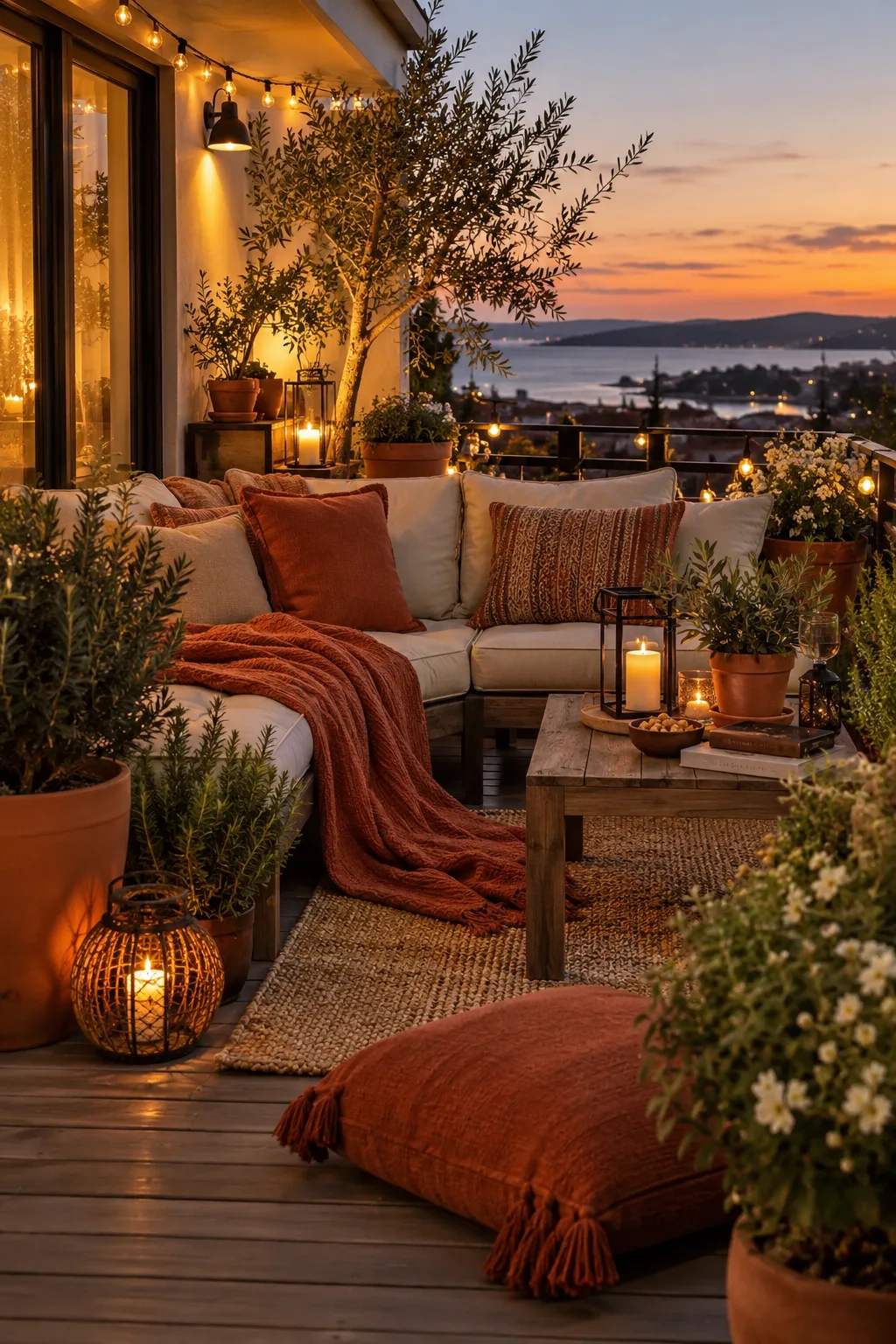
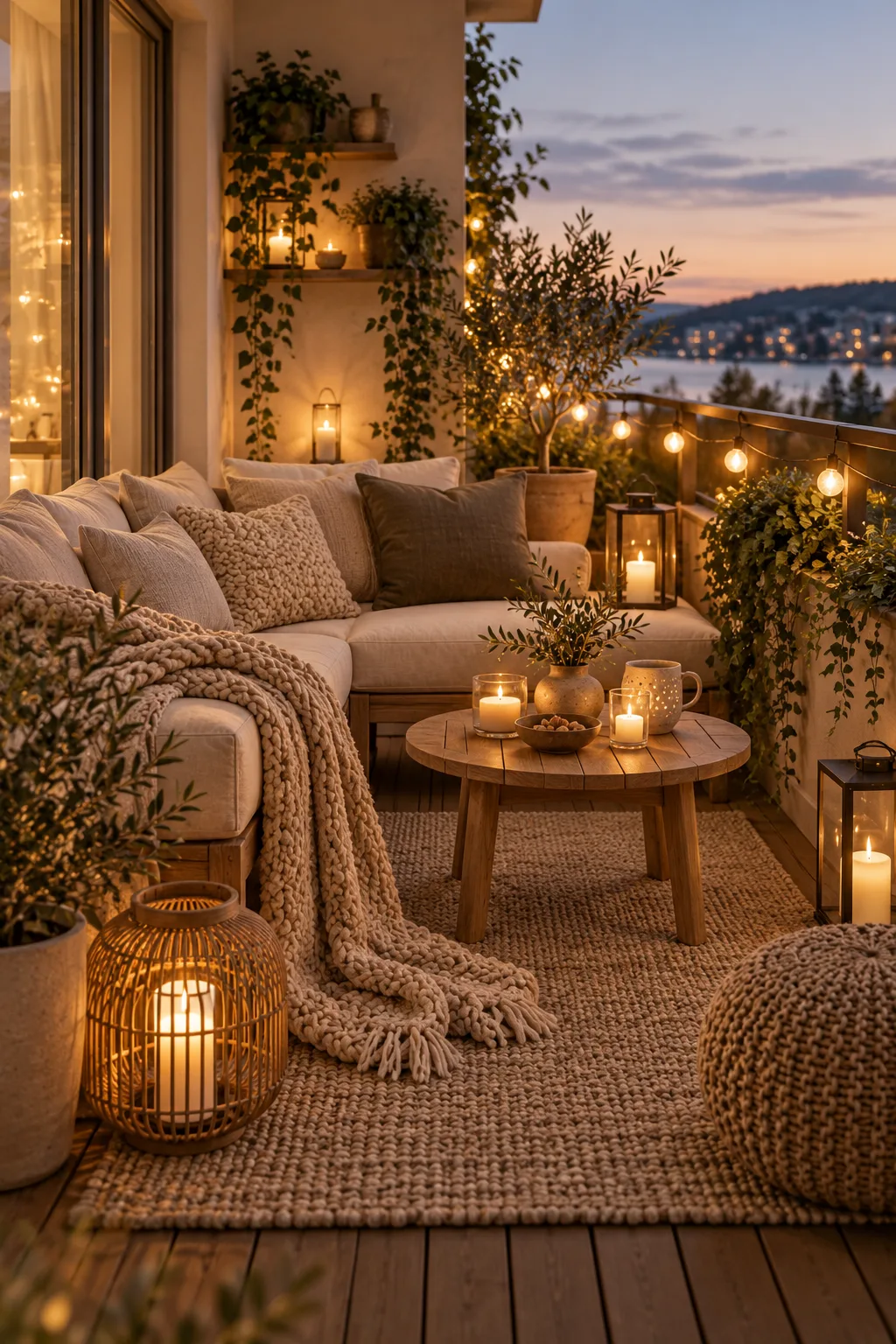
Maybe even especially well. A small bench, some cushions, an outdoor rug, plants, and a few lanterns can suddenly turn five square meters of concrete into a favorite spot. String lights help too. Yes, string lights can be kitschy. But under hygge, they get diplomatic immunity. A balcony in the evening, a blanket, a candle on the table, and a glass of wine somewhere nearby — sometimes that's genuinely all that needs to happen. And that's exactly the point.
Hygge Is Actually a Counter-Proposal
We live in a world where everything is supposed to constantly get faster, more efficient, and more perfect. Hygge is surprisingly uninterested in any of that. It isn't about owning the most impressive living room. It's about actually wanting to spend time in it. That sounds obvious. Surprisingly often, it isn't. Hygge reminds us that a home shouldn't just look good. It should feel good. A little warm. A little imperfect. Maybe even a little nostalgic — like a Sunday afternoon at your grandparents', rain hitting the window, coffee brewing somewhere, and nothing particularly important needing to happen for a few hours. Maybe that's exactly why hygge never really goes out of style. Trends change. The need for a place you actually want to stay in, presumably, doesn't.