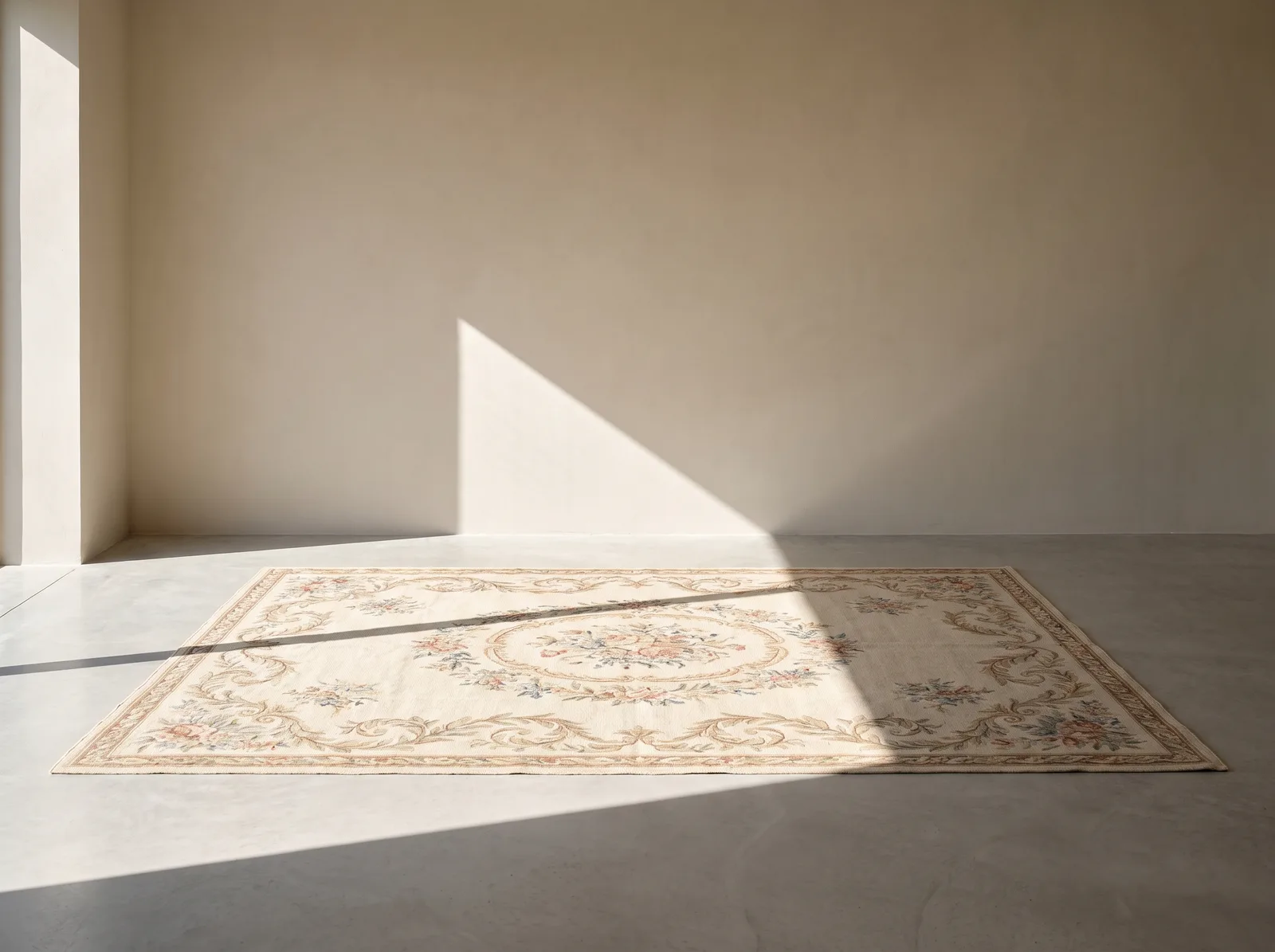
Aubusson Rugs: French Flatweave and Decorative Detail
Aubusson, France
Aubusson rugs are associated with French flatweave, delicate colour and decorative scenes. Explore their history and how to place one with restraint.
More Than a Rug — a Woven Painting
The Aubusson rug differs from nearly every other rug tradition through its flat, tapestry-like weave and its often almost painterly motifs: delicate floral bouquets, garlands, and ornamental framing in pastel creams, pinks, and blues. Rather than geometric patterns, the visual language recalls French tapestries or ceiling paintings more than classic rug art.
A Royally Privileged Manufactory
The French town of Aubusson has a weaving tradition dating back to the 16th century, originally for wall tapestries. It wasn't until 1743 that the local manufactory received royal privilege under Louis XV to also produce knotted and flat-woven floor carpets in the style of the famous Savonnerie manufactory — a decisive step that made Aubusson carpets a fixture of French court culture.
Flatweave Instead of Knots
Unlike most classic carpets, the Aubusson is made using the Gobelin flatweave technique — the same technique used for wall tapestries — rather than knotting. This technique allows for especially fine color gradients and detailed, almost painting-like patterns, but requires enormous amounts of time: a large-format Aubusson could take several years of weaving time to produce at the manufactory.
Louis XVI and the Style's Golden Age
Under Louis XVI, the Aubusson manufactory experienced its greatest golden age, as the new Louis XVI style with its geometric clarity also found its way into the manufactory's carpet patterns — often combined with delicate floral motifs that provided a softer contrast to the era's strict furniture form language. This close stylistic connection makes the Aubusson rug a natural companion to Louis XVI furniture to this day.
From Revolution to Restoration
The French Revolution briefly put the royal manufactory into economic difficulty, as its courtly clientele disappeared. The weaving tradition survived, however, adapting to new political realities, and continues in Aubusson to this day. Original 18th-century pieces are now among the most valuable collector's carpets in existence and are displayed in major museum collections.
A Statement for Louis XVI, Traditional, and Modern Luxury
The Aubusson rug naturally works in Louis XVI-styled rooms as a historically coherent complement, as well as in classically traditional interiors and in Modern Luxury rooms, where its delicate palette provides a soft counterpoint to more dramatic materials.
The Aubusson Rug in Today's Interiors
As the central rug in a formal living or dining room, the Aubusson shows its full historical elegance, especially paired with light-framed furniture. Since the flat weave is less durable than dense knotted carpets, it's better suited to representative spaces than heavily trafficked rooms.
Ateliology Style Verdict
The Aubusson rug proves that a floor covering can also function as a woven painting. Born from a royally privileged manufactory, it remains the epitome of classic French elegance today. That is exactly what makes the Aubusson rug a genuine style piece.
More rug styles
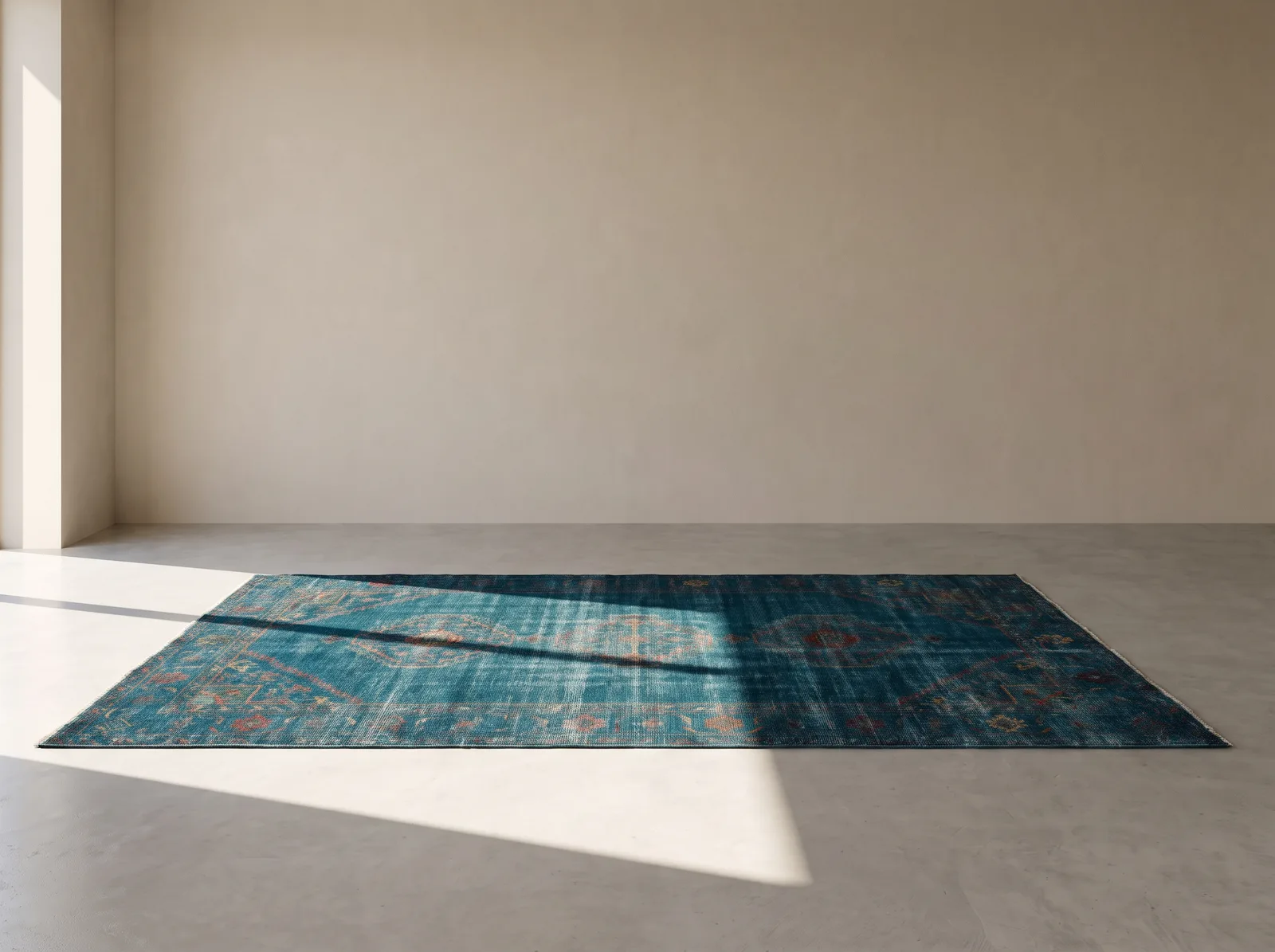 Turkey (source carpets), global trendOverdyed Rug
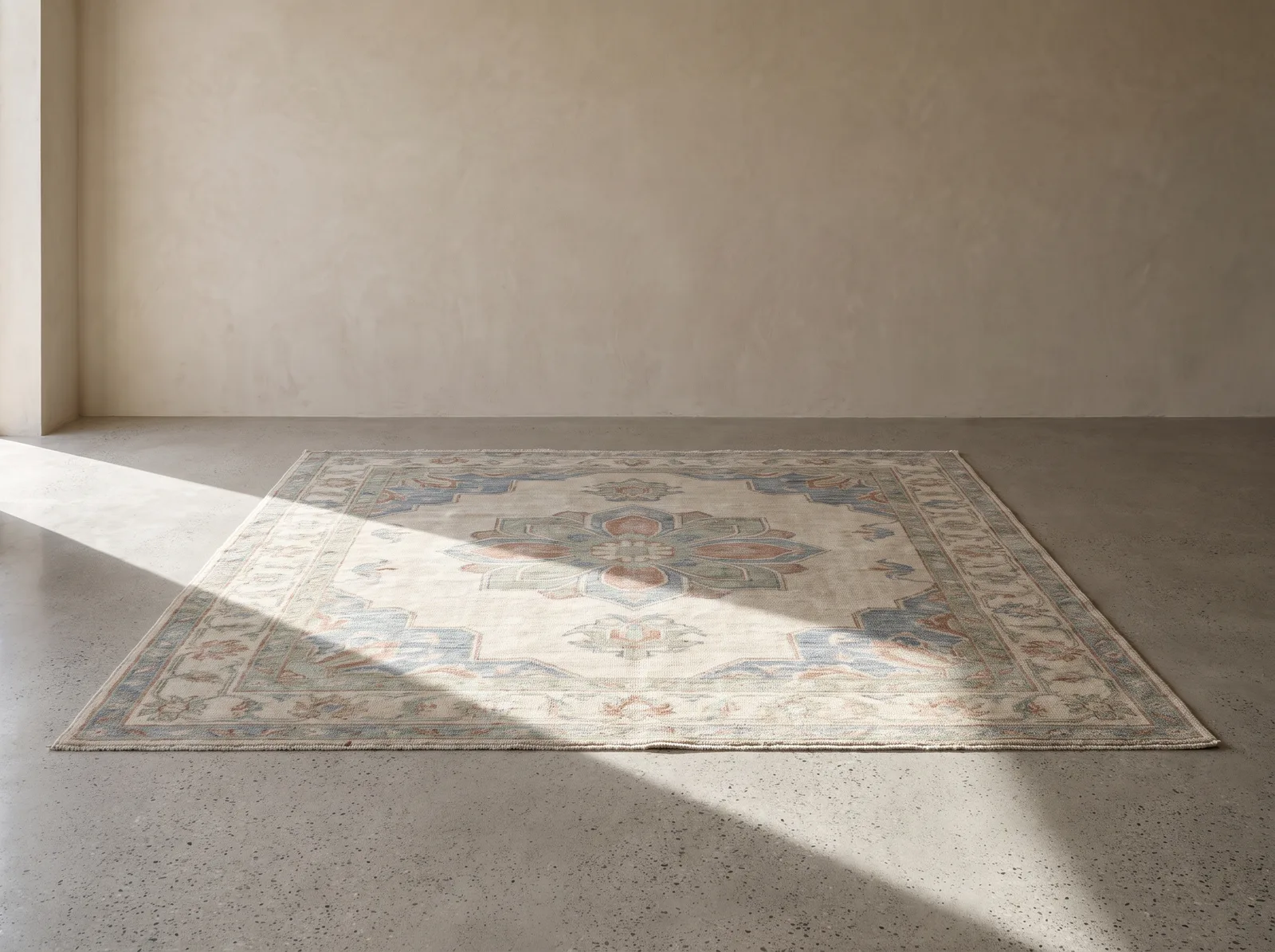 Tibetan PlateauTibetan Rug
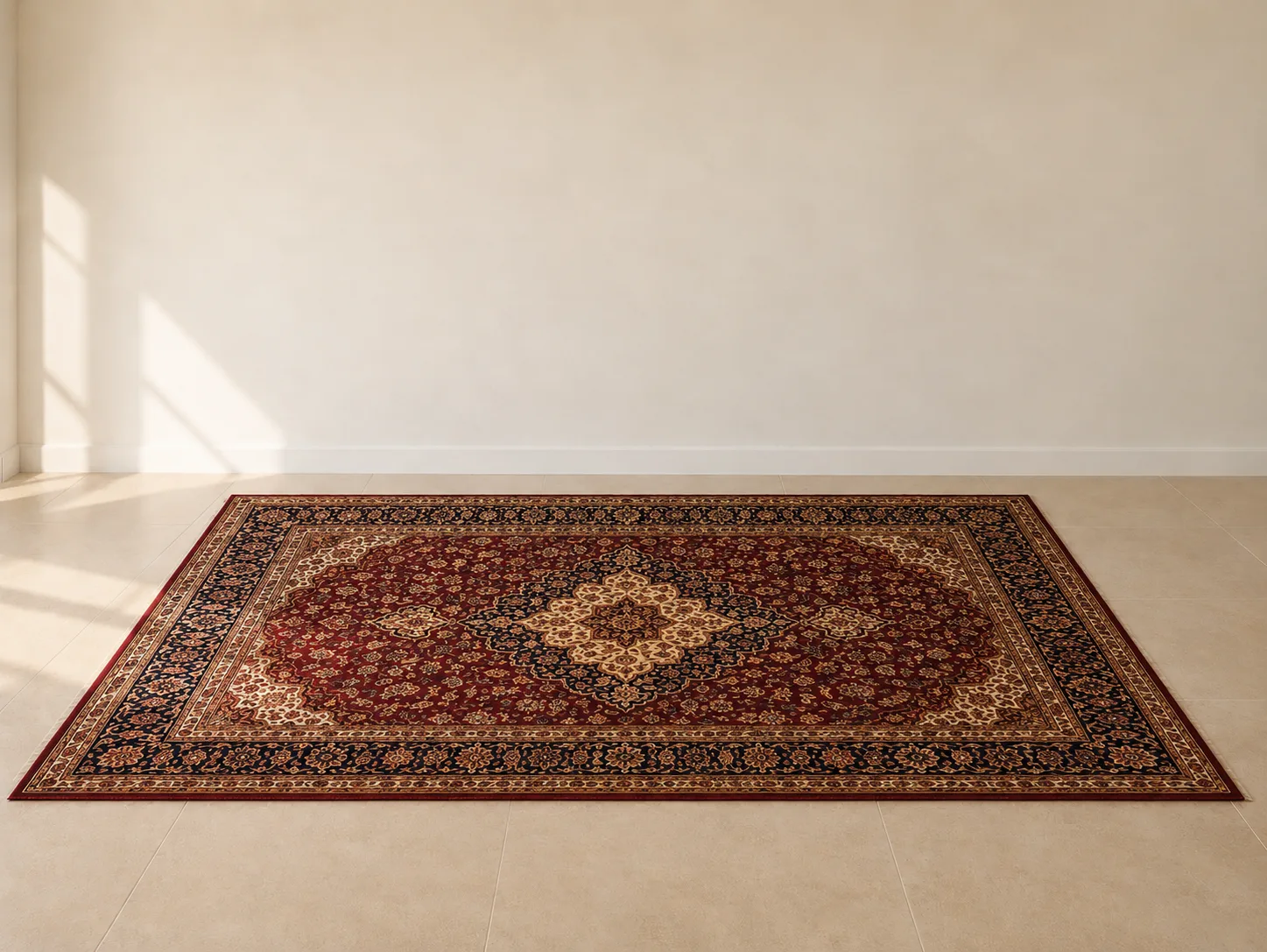 Iran (Persia)Persian Rug
 Diné (Navajo) Nation, American SouthwestNavajo Rug