Back to overview
Wishbone Chair
1949 (Danish Modern)

Wishbone Chair

Hans J. WegnerCarl Hansen & Søn, Denmark

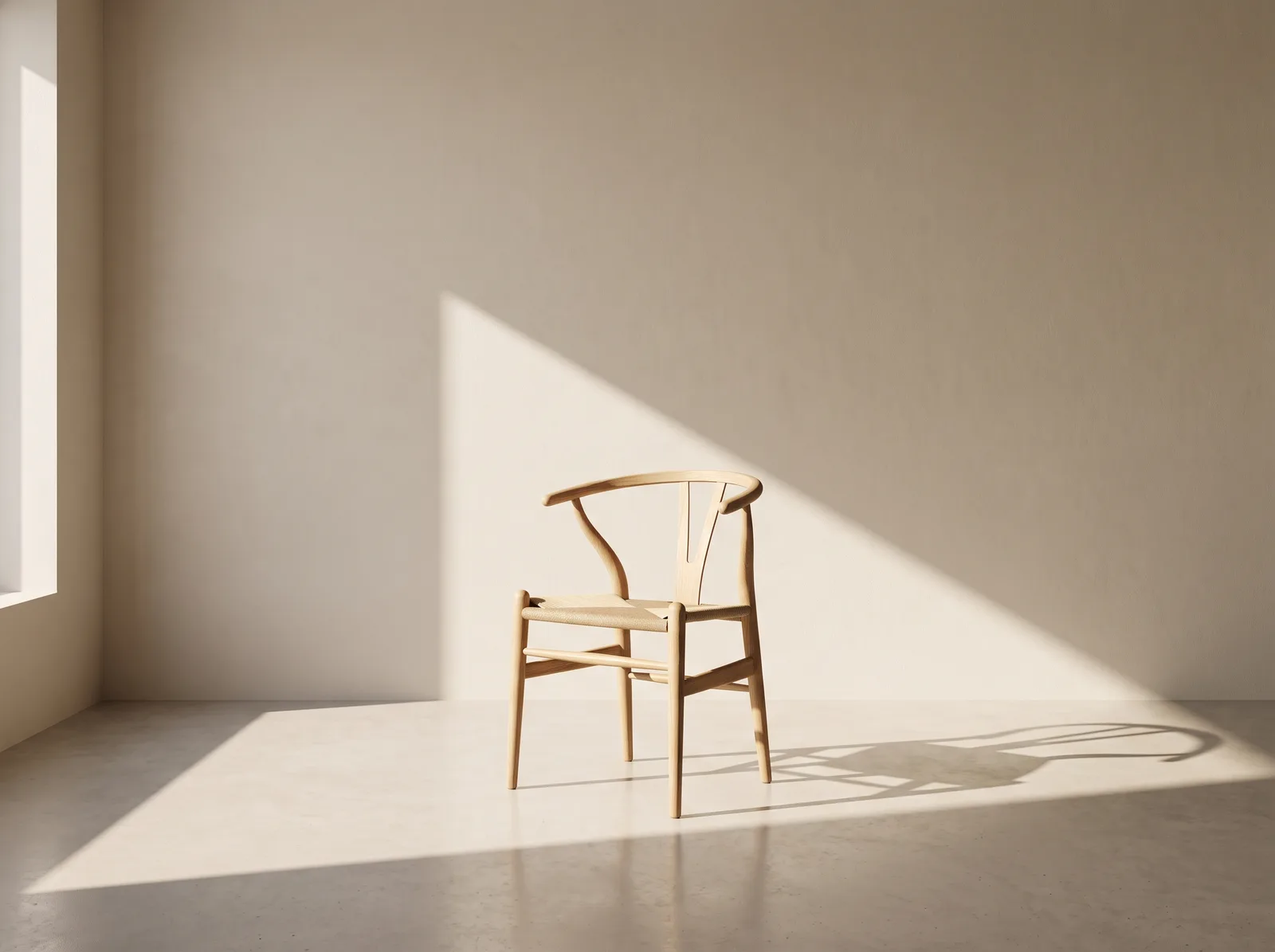
A steam-bent oak frame, a hand-woven paper cord seat, and a backrest shaped like a wishbone — since 1949, this chair has been one of the most copied and most continuously produced chairs in design history.

More Than a Dining Chair

Some chairs are recognizable from a single detail. On the Wishbone Chair, it's the Y-shaped spindle that runs from the curved backrest down to the seat, giving the chair its name. Since its introduction in 1949, this design by Danish designer Hans J. Wegner has become one of the most produced designer chairs in existence — a rare case of a piece of furniture being both a design icon and manufactured in enormous quantities for everyday use, without losing any of its integrity.

Inspired by Chinese Portraits

Wegner developed the Wishbone Chair as part of his so-called "China Chair" series, inspired by portrait paintings of Danish merchants seated in chairs styled after the Chinese Ming dynasty. Fascinated by the clarity and elegance of that centuries-old furniture tradition, Wegner progressively stripped the form down across several design iterations until only the essential structural lines remained. The Wishbone Chair, originally designated CH24, was the result of that refinement process — a Western reinterpretation of an Eastern reference, fully translated into the language of Danish Modern design.

Handcraft in Paper Cord

What makes the Wishbone Chair constructively distinctive is its seat: instead of upholstery or solid wood, it's made from hand-woven paper cord — a material Wegner chose due to material scarcity in post-war Europe, and one that has proven surprisingly durable and comfortable ever since. Each chair uses roughly 120 meters of paper cord, woven by hand in a complex, repeating pattern — a process still carried out by trained craftspeople at Carl Hansen & Søn today, taking around an hour per chair depending on experience.

Danish Modern and Wegner's Legacy

Hans J. Wegner is considered one of the most influential figures of Danish Modern, a movement of the 1940s and 1950s that combined traditional cabinetmaking craft with functionalist thinking. Over his career, Wegner designed more than 500 chairs, many of which — including the Round Chair and the Peacock Chair — are now considered classics. But the Wishbone Chair remained his most commercially successful and most produced work, a chair that embodies Wegner's conviction that good design should never require compromise between beauty, comfort, and manufacturability.

Continuously Made Since 1950

Since Carl Hansen & Søn began production in 1950, the Wishbone Chair has been manufactured without interruption — now well over 70 years running, making it one of the longest continuously produced designer chairs in the world. It's available today in several wood types (oak, beech, walnut) and a wide range of paper cord and seat colors. That uninterrupted production, combined with its enormous popularity, has also led to a flood of unlicensed reproductions — a circumstance that has, somewhat paradoxically, become proof of its own design success.

A Classic for Japandi and Mid-Century

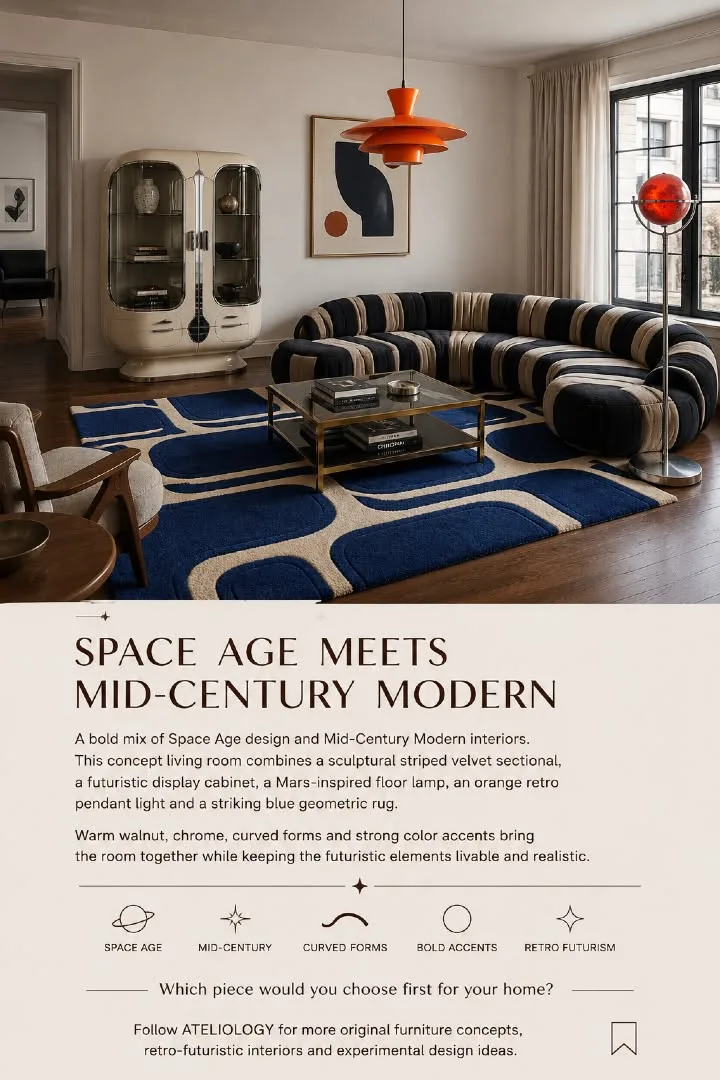
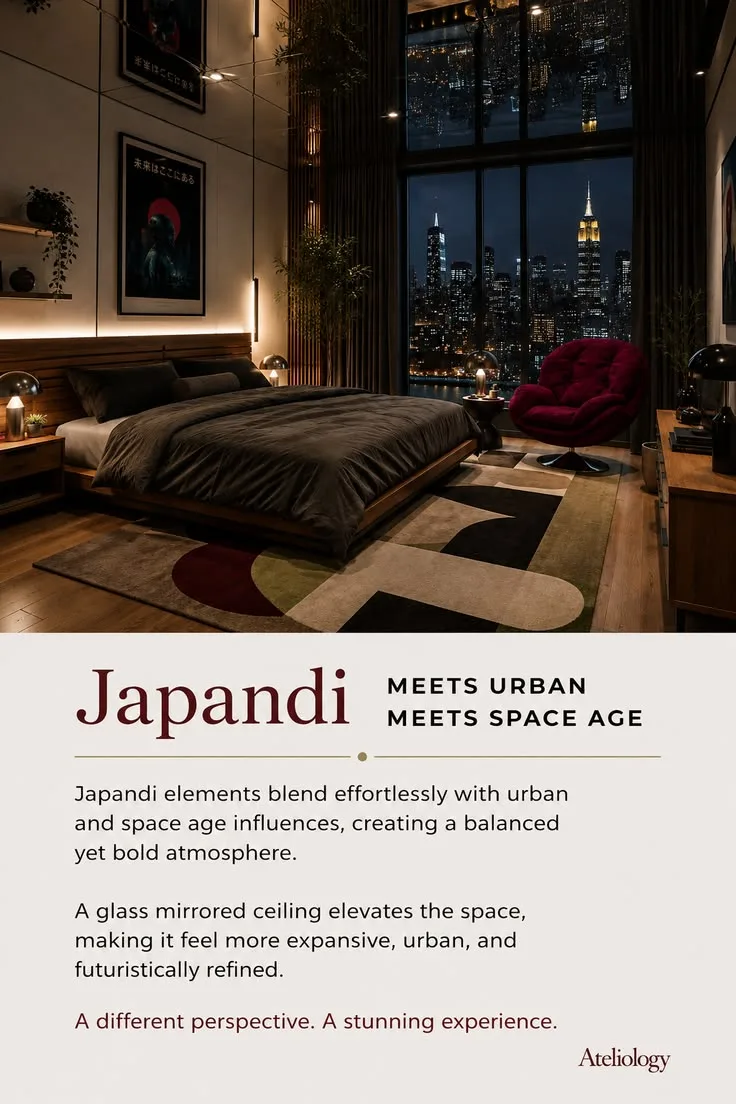
The Wishbone Chair works in a surprising range of stylistic contexts, but it fits most naturally into two directions: Mid-Century interiors, where it underscores its Danish origins alongside walnut furniture and warm earth tones, and Japandi rooms, whose pared-back, material-focused aesthetic connects directly to Wegner's design philosophy. In both cases, the appeal lies in the same quality: the chair reads as both light and substantial, decorative and functional — qualities that define both Mid-Century and Japandi spaces.

The Wishbone Chair in Today's Interiors

Most often, the Wishbone Chair appears around the dining table, frequently in sets of four or six, where its light, airy silhouette avoids overwhelming even smaller dining areas. But it works just as well as a single accent chair in a reading corner or at a desk. Mixing several wood tones or paper cord colors around one table has become a popular way to deliberately break up the chair's serial elegance and give a room a more personal, collected feel.

Ateliology Style Verdict

The Wishbone Chair proves that radical reduction and mass production don't have to be mutually exclusive. Born from inspiration found in a centuries-old Chinese portrait, it has been manufactured without interruption for more than 70 years without ever losing relevance. That combination of careful craftsmanship, clear form, and proven longevity is what makes the Wishbone Chair a genuine style piece.