Back to overview
Louis XVI Bergère Chair
c. 1774–1792 (Louis XVI Era)

Louis XVI Bergère Chair

Französisches Hofhandwerk (Régence-Nachfolge)Royal ébénistes, France

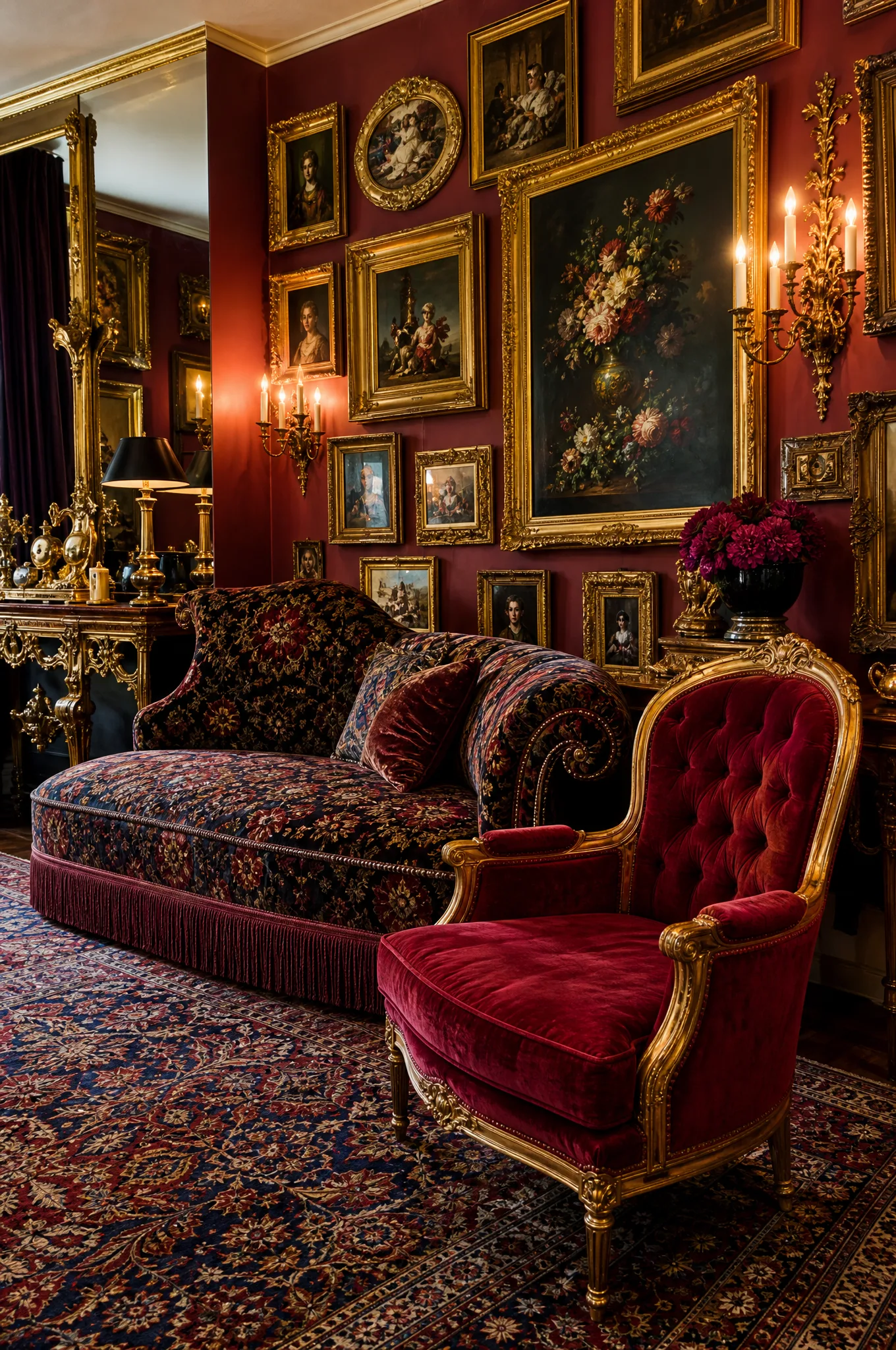
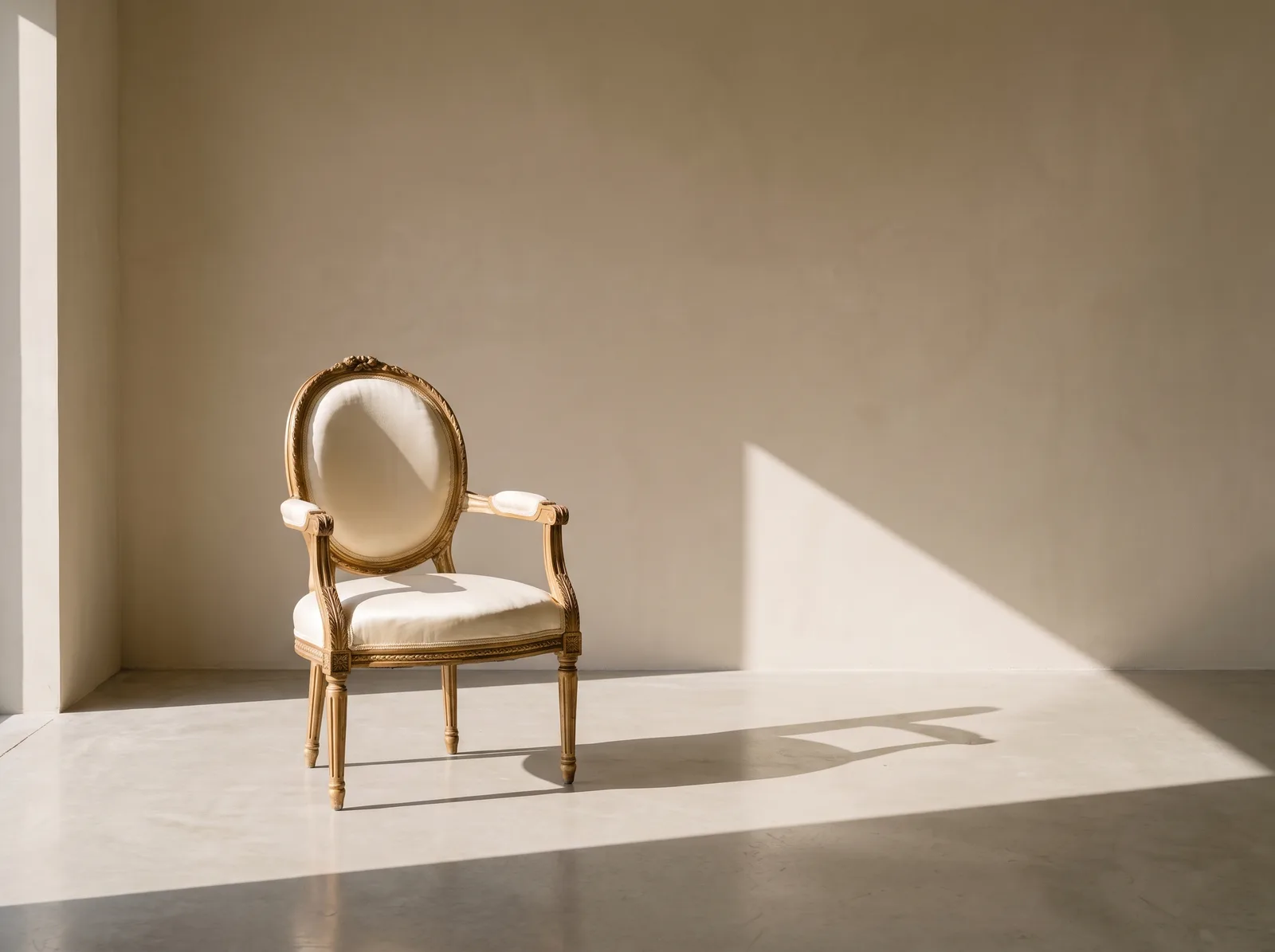
An oval, carved frame on slim, fluted legs — the Louis XVI bergère replaced Rococo's playful curves with strict geometric clarity, becoming the emblem of an entire furniture era.

More Than an Armchair

The Louis XVI-style bergère is one of the most recognizable armchair forms in European furniture history: an oval or rectangular, carved frame with an upholstered back and closed sides, supported by slim, fluted, downward-tapering round legs. This silhouette remains so influential that it has flowed, as its own design vocabulary, into countless later furniture designs.

An Answer to Rococo

The Louis XVI bergère emerged as a deliberate stylistic reaction against the preceding Rococo period, whose curved, asymmetrical forms and lavish ornamentation had come to be seen as excessive and decadent. Inspired by archaeological discoveries at Pompeii and Herculaneum and a renewed interest in Greco-Roman antiquity, a new form language took hold under Louis XVI, one grounded in clean straight lines, symmetry, and geometric order.

Fluted Legs as a Signature

Perhaps the most characteristic construction feature of the Louis XVI bergère is its round, downward-tapering legs with vertical fluting — fine, parallel grooves directly reminiscent of ancient column architecture. This detail completely replaced Rococo's curved, often asymmetrical cabriole legs and became one of the clearest identifying features of the entire Louis XVI style, far beyond seating furniture.

Craftsmanship at a Royal Level

Original bergères from the Louis XVI era were made by highly specialized royal ébénistes and carvers working for the court and French nobility. Every detail — from the precise fluting of the legs to the finely carved ornaments along the top frame — required craftsmanship of the highest order, turning these chairs into status symbols far beyond their function as mere seating.

Surviving Revolution and Rediscovery

Despite its close association with the French monarchy, which was overthrown shortly after the end of the Louis XVI era in the French Revolution, the style's form language survived the political upheaval remarkably intact. Its clean, geometric elegance proved so timeless that it was repeatedly rediscovered in the 19th and 20th centuries and referenced in countless furniture designs, independent of its original political symbolism.

A Statement for Louis XVI and Traditional

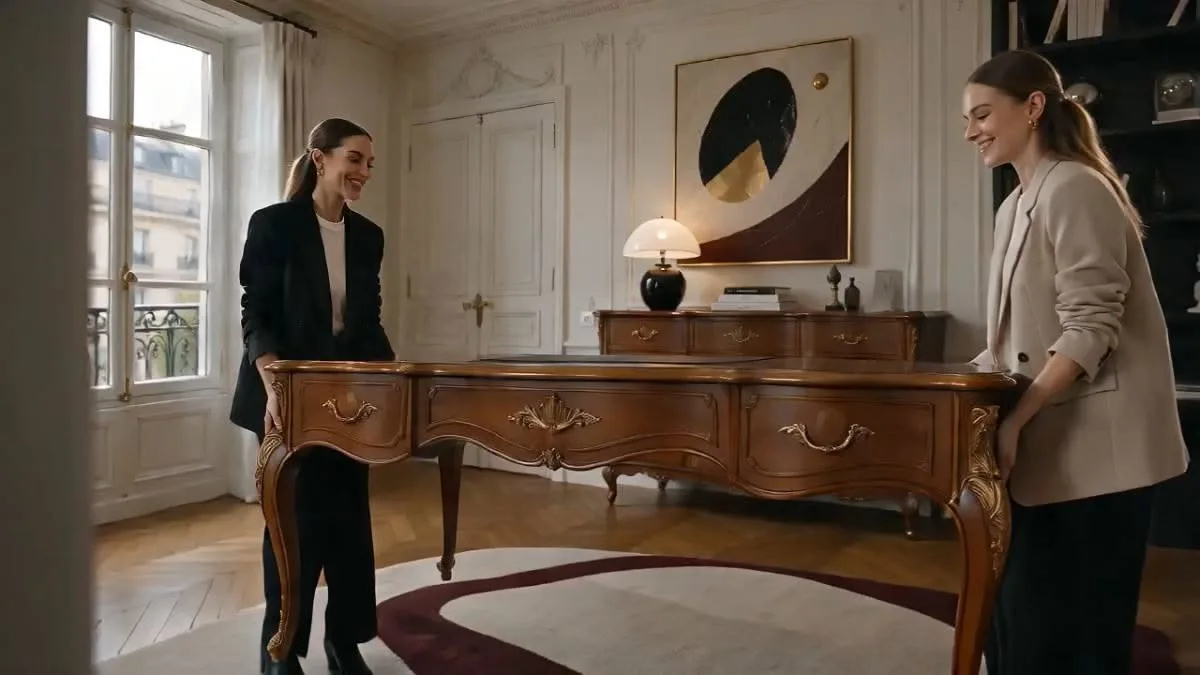
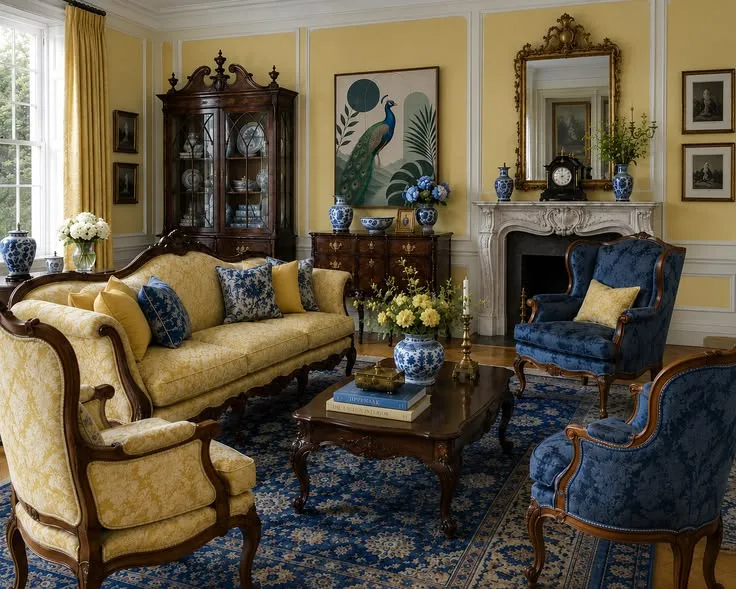
The Louis XVI bergère naturally works as a central statement piece in Louis XVI-styled rooms, as well as in classically traditional interiors, where it unfolds its historical elegance alongside antique commodes and framed paintings. In both contexts, the appeal lies in the combination of rigor and opulence.

The Louis XVI Bergère in Today's Interiors

As a standalone piece in a reading corner, or in pairs in front of a fireplace, the bergère shows its full effect. Choosing a more modern, simpler upholstery fabric instead of historical silk can make the chair feel more contemporary without altering its classic silhouette — a popular trick for integrating the piece into an otherwise modern interior.

Ateliology Style Verdict

The Louis XVI bergère proves that a deliberate reaction against a previous style can itself become an independent, centuries-influential form language. Nearly 250 years after its creation, it remains emblematic of classic French elegance. That is exactly what makes the Louis XVI bergère a genuine style piece.