Back to overview
Chesterfield Sofa
c. mid-18th century (Georgian England)

Chesterfield Sofa

Unbekannt (englische Polstertradition)Various traditional upholstery workshops, England

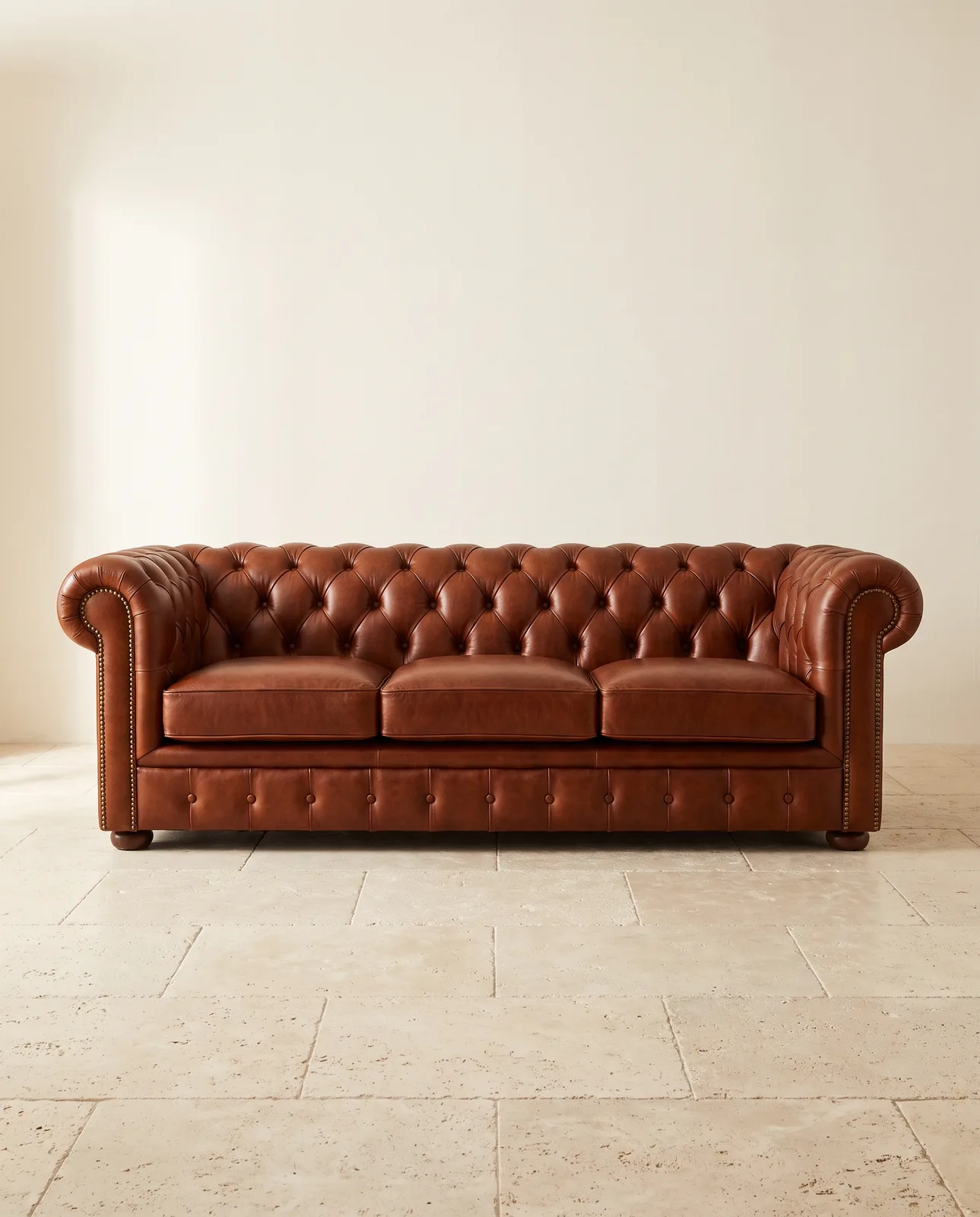
Deep-buttoned leather, arms as tall as the back, and a silhouette that has barely changed in over 250 years: the Chesterfield is arguably the most copied sofa in furniture history — and it still works in almost any interior style today.

Origins wrapped in legend

Unlike most pieces on this page, the Chesterfield can't be traced to a single designer or founding year. The most common story attributes the name to Philip Stanhope, the 4th Earl of Chesterfield, who supposedly commissioned a sofa on which one could sit without wrinkling one's clothes — though no solid contemporary evidence backs this up. What is historically documented is that deep-buttoned leather seating in this basic form appeared in English manor houses from the mid-18th century onward, and later spread through gentlemen's clubs, libraries, and law offices.

The construction: equal-height arms and Chesterfield tufting

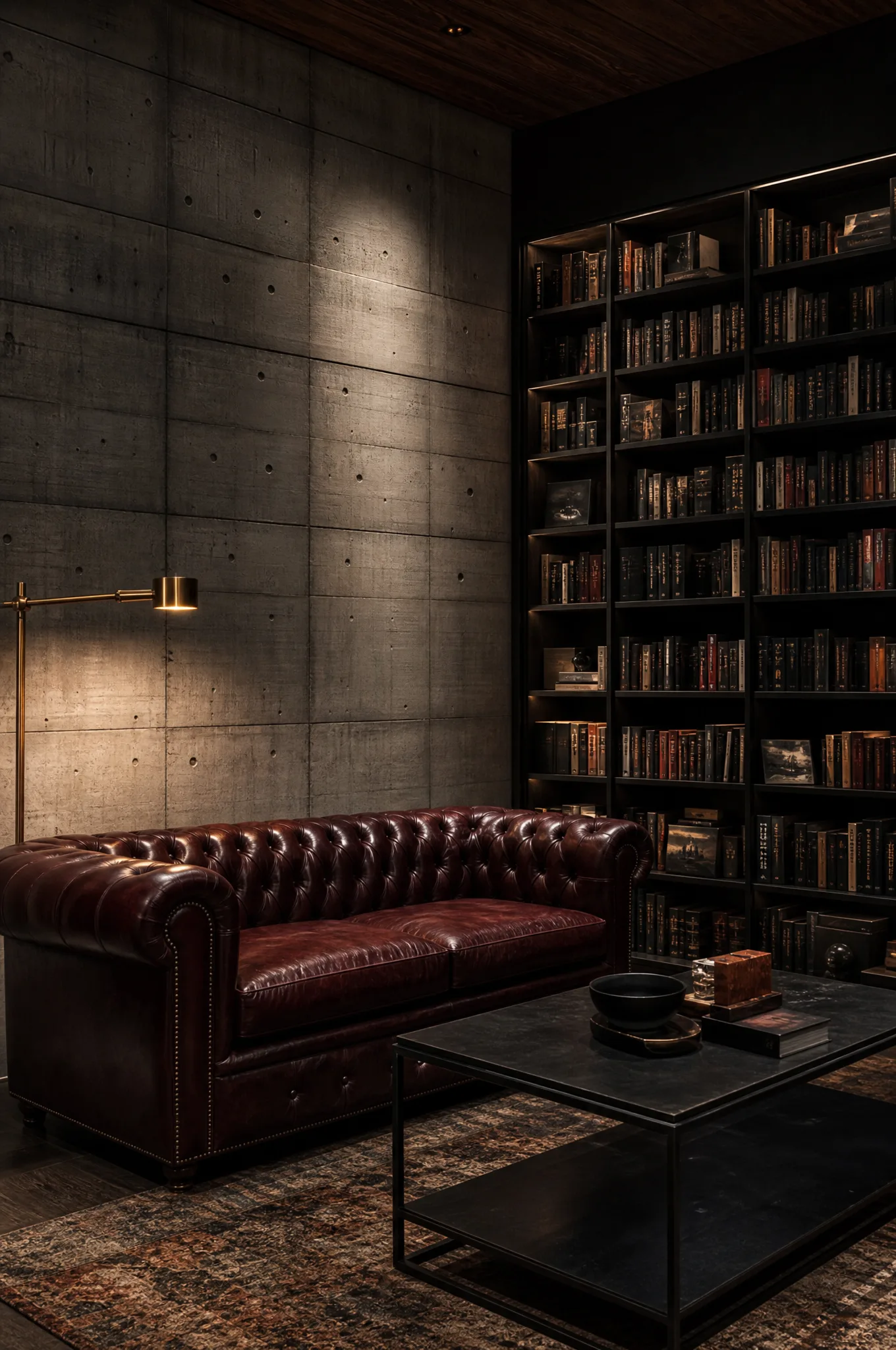
Two features define a genuine Chesterfield. First, the side arms are the same height as the back, creating one continuous, curved silhouette without a visible break — unlike most sofa shapes, where the arms sit noticeably lower. Second, so-called "deep buttoning" or "Chesterfield tufting" produces the characteristic diamond pattern: buttons are pulled deep into the padding so the leather between them falls into even, gentle folds. The look is usually completed with rolled arms and brass nailhead trim along the edges.

From the gentleman's study to a global classic

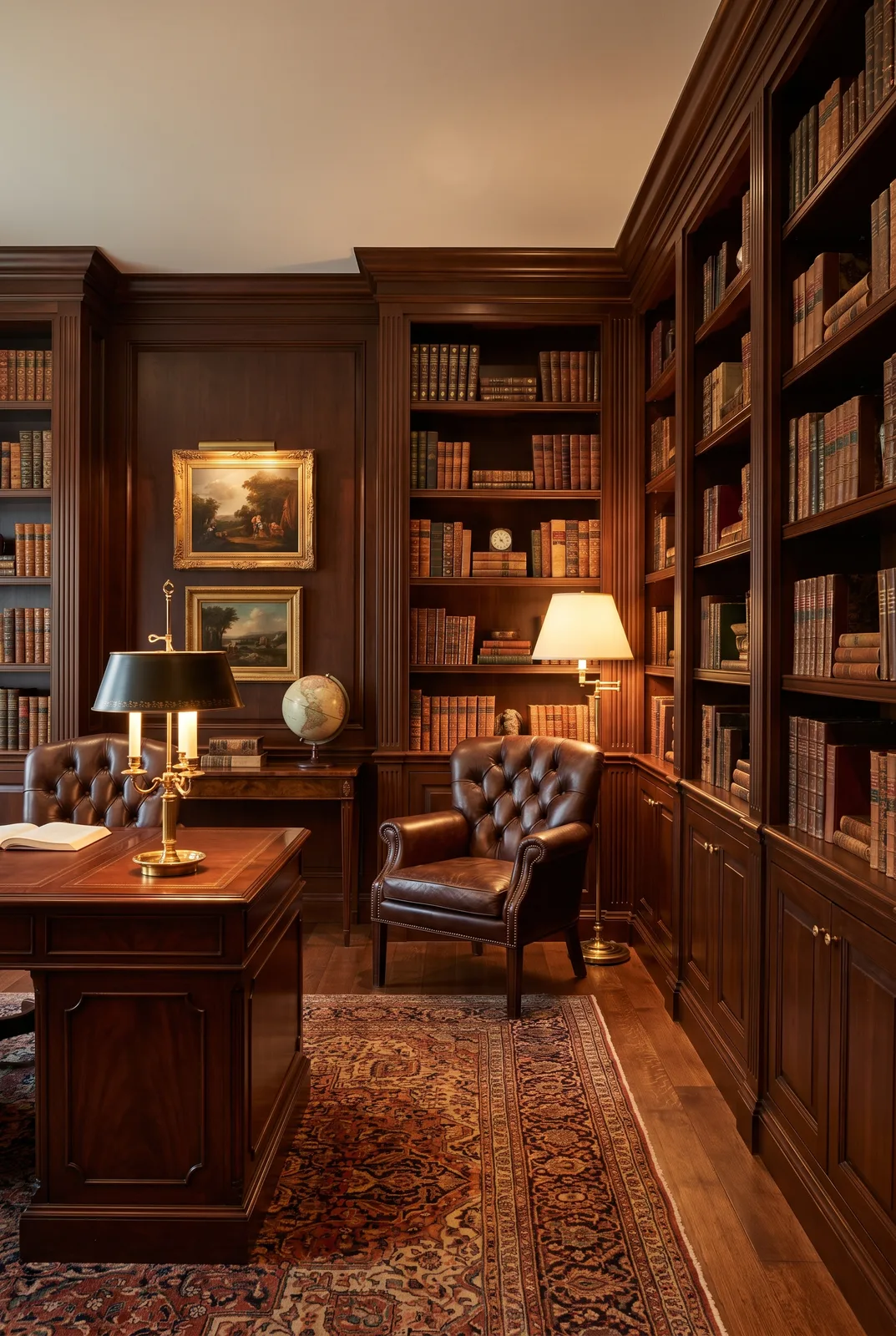
Originally, the Chesterfield was tightly bound to a specific social context: dark leather, cigar smoke, libraries, and Victorian-era English gentlemen's clubs. That association with classic, masculine-coded elegance persists today, even though the sofa now appears in entirely different settings — from the traditional library to the minimalist loft. That cultural charge is exactly what makes it one of the few pieces of furniture instantly recognizable for a particular atmosphere, even before you've seen the room around it.

Why cognac leather remains the classic choice

While Chesterfields today come in practically every color and material, warm cognac or whiskey-toned leather remains the classic and most popular choice — for good reason. That warm brown develops a visible patina over time that adds character rather than wear. Paired with brass nailhead trim, it produces a material combination that signals warmth and craftsmanship without tipping into kitsch — one reason this exact combination has barely gone out of fashion in decades.

The Chesterfield in a style mix

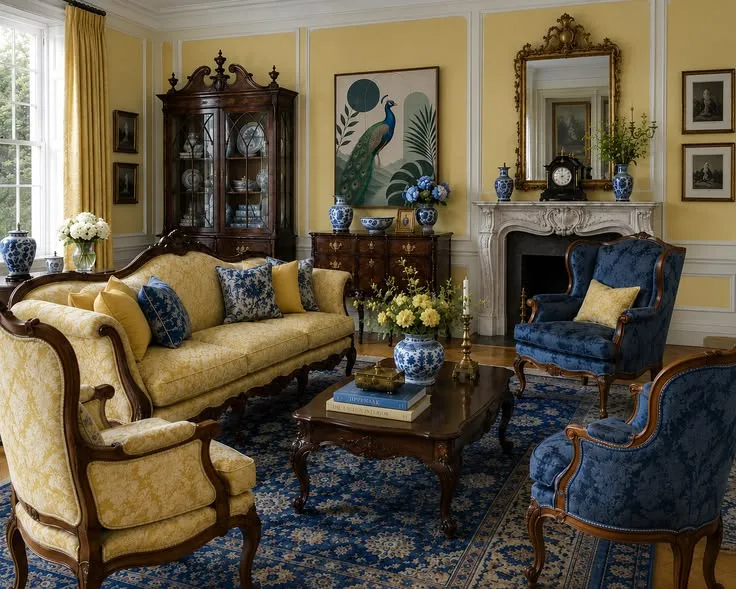
Precisely because the Chesterfield carries such a strong charge of classic elegance, it works especially well as a deliberate contrast in modern or unexpected settings: next to Industrial elements in steel and brick, it instantly reads warmer and more inviting; in a Dark Academia room with dark bookshelves, it slots seamlessly into the expected mood; and even in a Scandinavian-minimalist room, a single Chesterfield can serve as a warm, history-laden anchor. Next to Space Age objects in chrome, too, it creates an appealing leap across two entirely different ideas of comfort.

Ateliology Style Verdict

The Chesterfield proves that a piece of furniture with no known designer and no exact founding date can still become one of the most copied classics in furniture history. Its equal-height arms and deep tufting have stayed recognizable for centuries — a genuinely timeless style piece.