Louis XVI Console Table
Französisches Hofhandwerk (Régence-Nachfolge) — Royal ébénistes, France
Gilded, carved wood meets a cool marble top — since the 1770s, the Louis XVI console table has combined courtly opulence with the geometric rigor of antiquity, and still graces countless hallways and entryways today.
More Than a Side Table
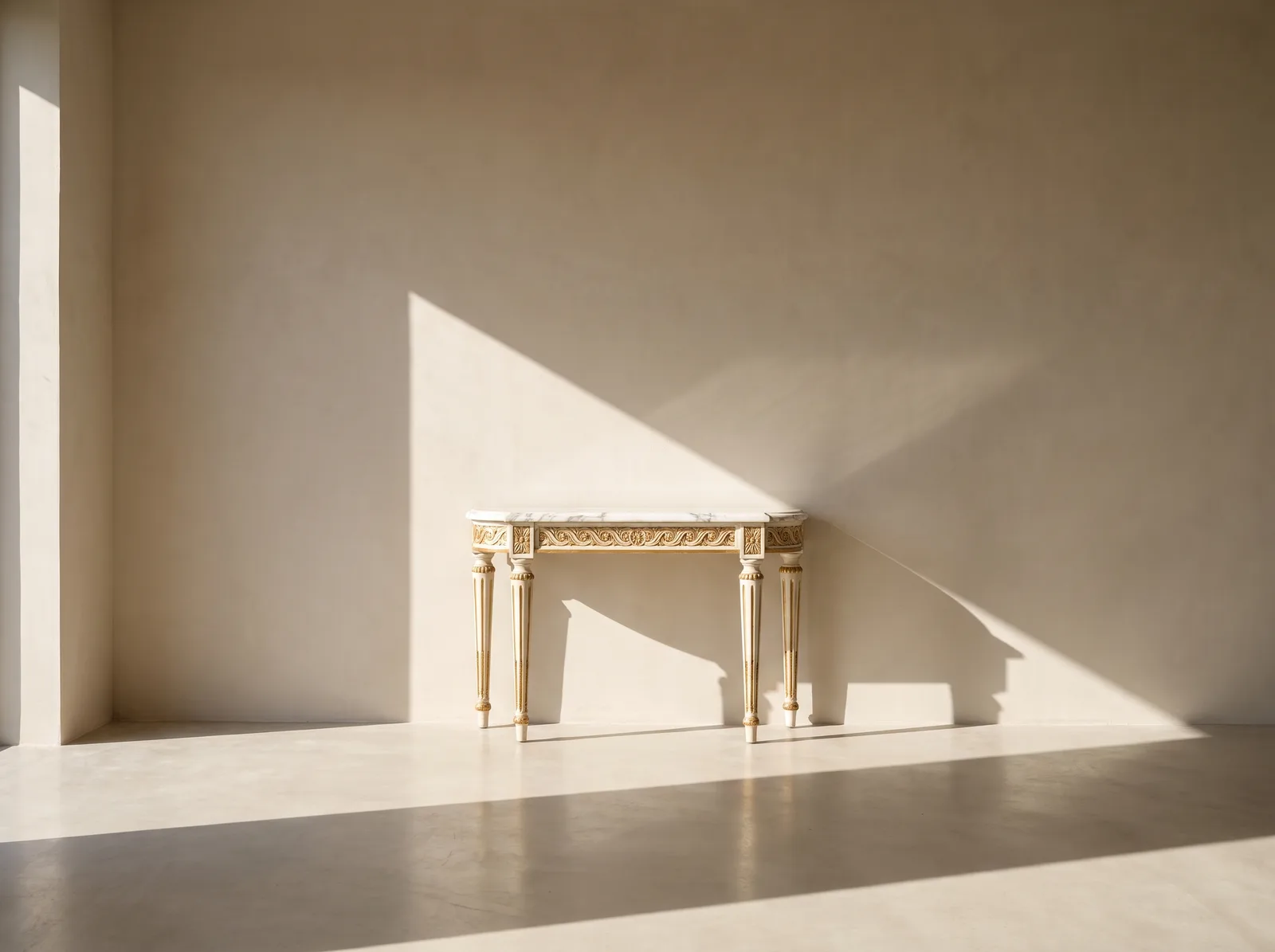
The Louis XVI console table is designed as a wall table, typically placed against a wall and often forming a visual unit with a mirror mounted above it. Its slim, carved wood frame — often gilded or painted cream-white — carries a top of marble or similarly refined stone, creating a deliberate material contrast between warm, ornate wood and cool, smooth stone.
A Piece of Furniture for the First Impression
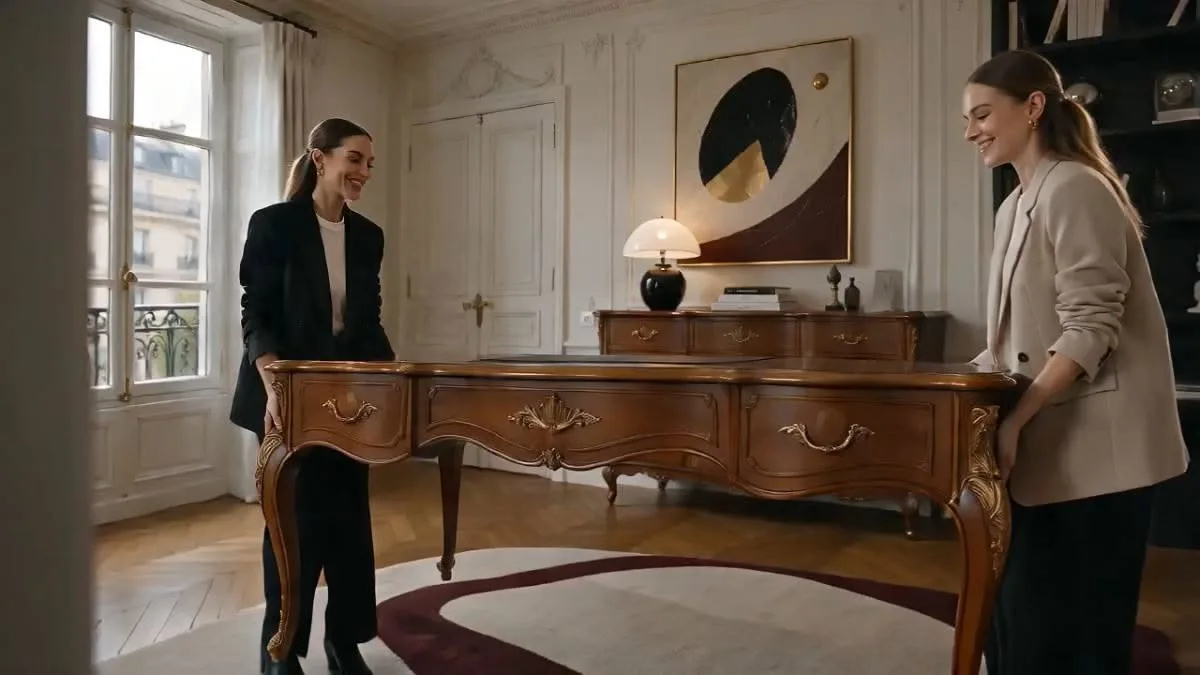
Console tables like this one were deliberately placed in entryways, hallways, and antechambers in 18th-century courtly France, where they shaped a visitor's first impression of a residence. Their function was as much representative as practical: they served for setting down hats, gloves, or letters, but above all signaled the owner's wealth and good taste the moment one entered.
Geometric Rigor Instead of Rococo Sway
Like the entire Louis XVI furniture family, the console table also replaces Rococo's curved cabriole legs with straight, fluted, tapering legs, often topped with gilded capitals loosely reminiscent of ancient columns. This geometric clarity took hold under the influence of the Pompeii excavations and the broader return to Greco-Roman antiquity, shaping the entire furniture production of the era.
Gilding as a Status Symbol
The elaborate gilding on many Louis XVI console tables required specialized gilders who applied thin gold leaf to the carved wood surfaces — a process demanding considerable craftsmanship and giving the pieces their characteristic warm sheen. This gilding technique was reserved for the wealthiest households, making the console table an immediately recognizable status symbol.
A Piece of Furniture That Outlasted Revolutions
Despite the political upheaval that ended the Louis XVI era, the console table's form language remained in demand for centuries. Original pieces now sit in major museum collections and palaces, while countless later reproductions and reinterpretations show how deeply this furniture type has shaped the Western idea of classic elegance.
A Statement for Louis XVI and Modern Luxury
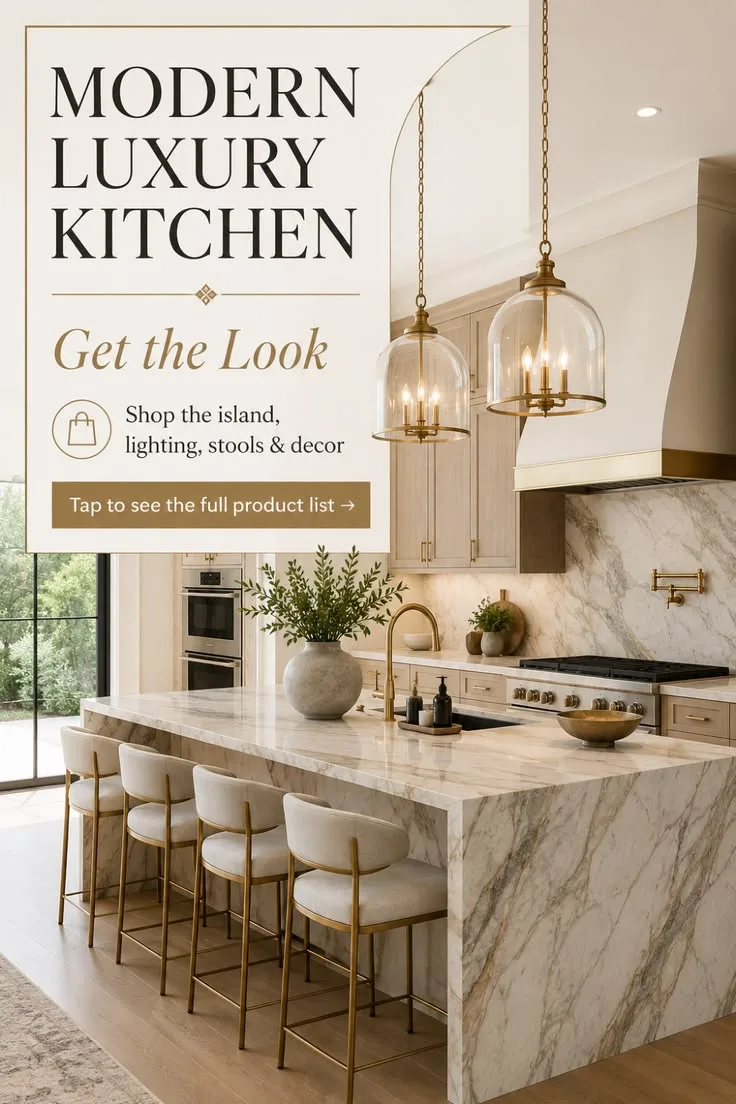
The Louis XVI console table naturally works in Louis XVI-styled rooms as a historically coherent centerpiece, as well as in Modern Luxury interiors, where its gilded details and marble top provide opulence even alongside more contemporary furniture.
The Console Table in Today's Interiors
Placed in an entryway beneath a large mirror, the console table delivers its classic effect as a home's first design statement. In a hallway or dining room, it can also serve as a surface for flower vases or candlesticks without losing its representative function.
Ateliology Style Verdict
The Louis XVI console table proves that a piece of furniture originally created to shape a residence's first impression can still fulfill that exact function centuries later. Its combination of geometric rigor and handcrafted opulence remains unmatched today. That is exactly what makes the Louis XVI console table a genuine style piece.