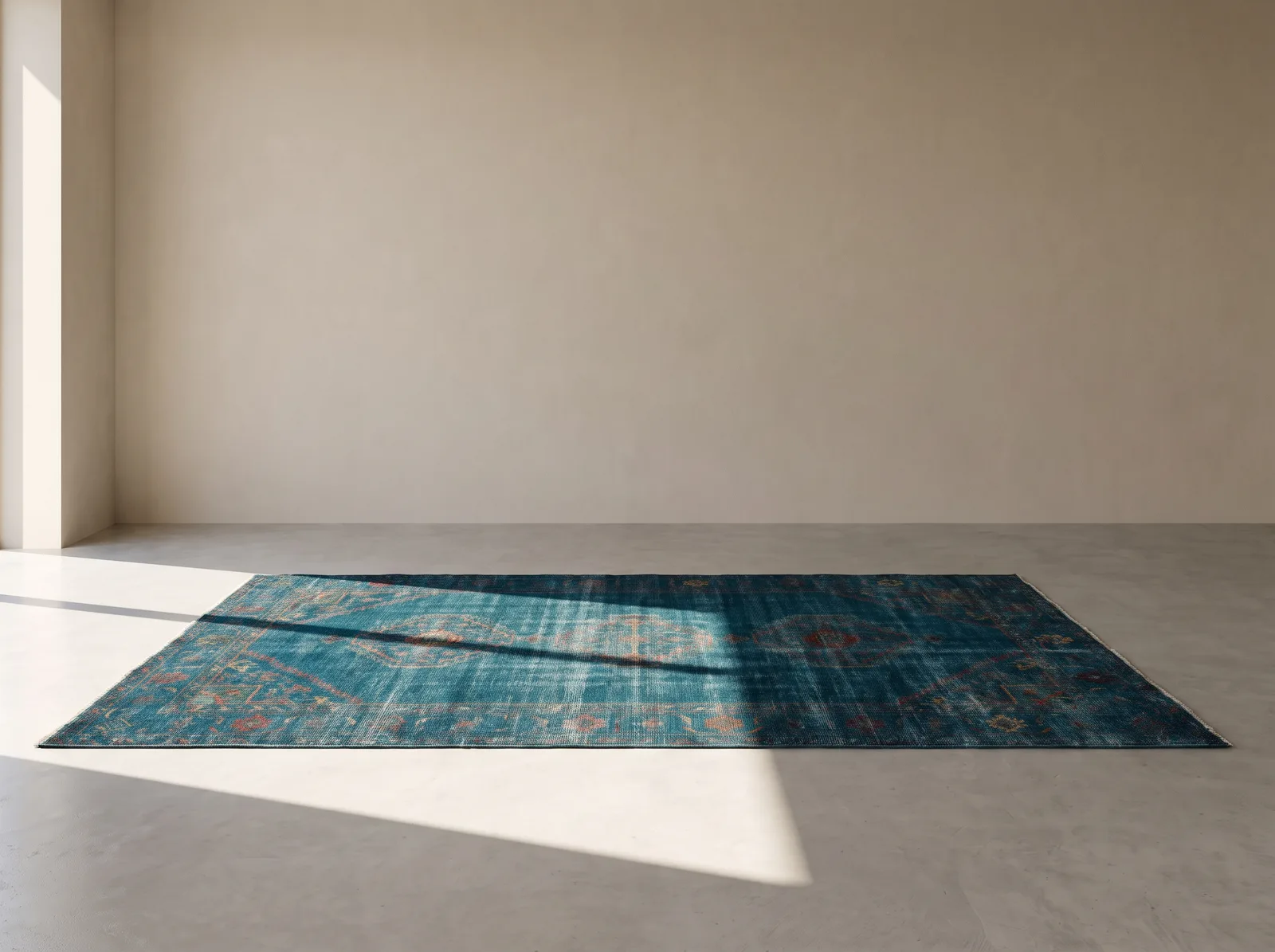
Overdyed Rugs: Vintage Pattern in a New Colour
Turkey (source carpets), global trend
An overdyed rug lets an older pattern show through a strong new colour. Explore the process, its debate and ways to use one thoughtfully.
What Is an Overdyed Rug?
An overdyed rug is a used vintage or antique carpet, usually from Turkey or the Caucasus, that has been redyed in a bold new color after the fact. The original pattern remains faintly visible underneath.
More Than a Redyed Rug
The overdyed rug always begins its life as a different, already existing carpet — usually a used, faded vintage or antique carpet from Turkey or the Caucasus — that is then dyed over in a bold, often unusual color. The original pattern remains faintly visible beneath the new color layer, giving the rug a depth that a completely newly woven piece could never achieve.
Born From a Practical Trade Idea
The overdyed trend emerged in the 2000s, when Turkish rug dealers looked for a way to make large quantities of older carpets — often heavily faded or patterned in unfashionable ways — economically sellable again. Instead of discarding them, dealers began redyeing these carpets in bold, contemporary colors — a pragmatic trade solution that quickly grew into a distinct aesthetic trend of its own.
Handwork With an Unpredictable Result
The dyeing process is mostly done by hand, applying dyes over the existing wool structure without altering the original knotting. Since every source carpet is faded to a different degree and reacts differently, each overdyed rug results in an individual, never exactly reproducible interplay of old pattern and new color.
From Niche Product to Global Interior Trend
What began as a local trade solution quickly became a global trend through international home furnishing retailers and interior blogs, gaining particular popularity in the 2010s. Overdyed rugs in teal, mustard yellow, or deep berry red became the preferred way to integrate traditional carpet patterns into decidedly contemporary interiors, without sacrificing the texture and history of a genuine knotted carpet.
Between Upcycling and Criticism
The overdyed trend is also discussed controversially: proponents see it as a form of textile upcycling that gives older carpets a second life instead of discarding them. Critics argue that valuable antique original patterns are partially obscured or even rendered unrecognizable by overdyeing. This debate makes the overdyed rug one of the few interior trends to explicitly raise questions of preservation versus reinterpretation.
A Statement for Eclectic, Boho, and Modern Luxury
The overdyed rug naturally fits into eclectic interiors, where its bold color functions as a deliberate break from expectations, as well as into Boho rooms with collected textures, and into Modern Luxury interiors, where a deep, saturated color like teal or burgundy creates drama.
The Overdyed Rug in Today's Interiors
As a color anchor in an otherwise neutral room, the overdyed rug shows its full effect, especially when the chosen color corresponds with one other accent element in the room, such as a pillow or vase.
Ateliology Style Verdict
The overdyed rug proves that a pragmatic trade trick can become an independent, globally recognized interior trend. Faded vintage carpets become pieces that combine old craftsmanship with contemporary color choices. That is exactly what makes the overdyed rug a genuine style piece.
More rug styles
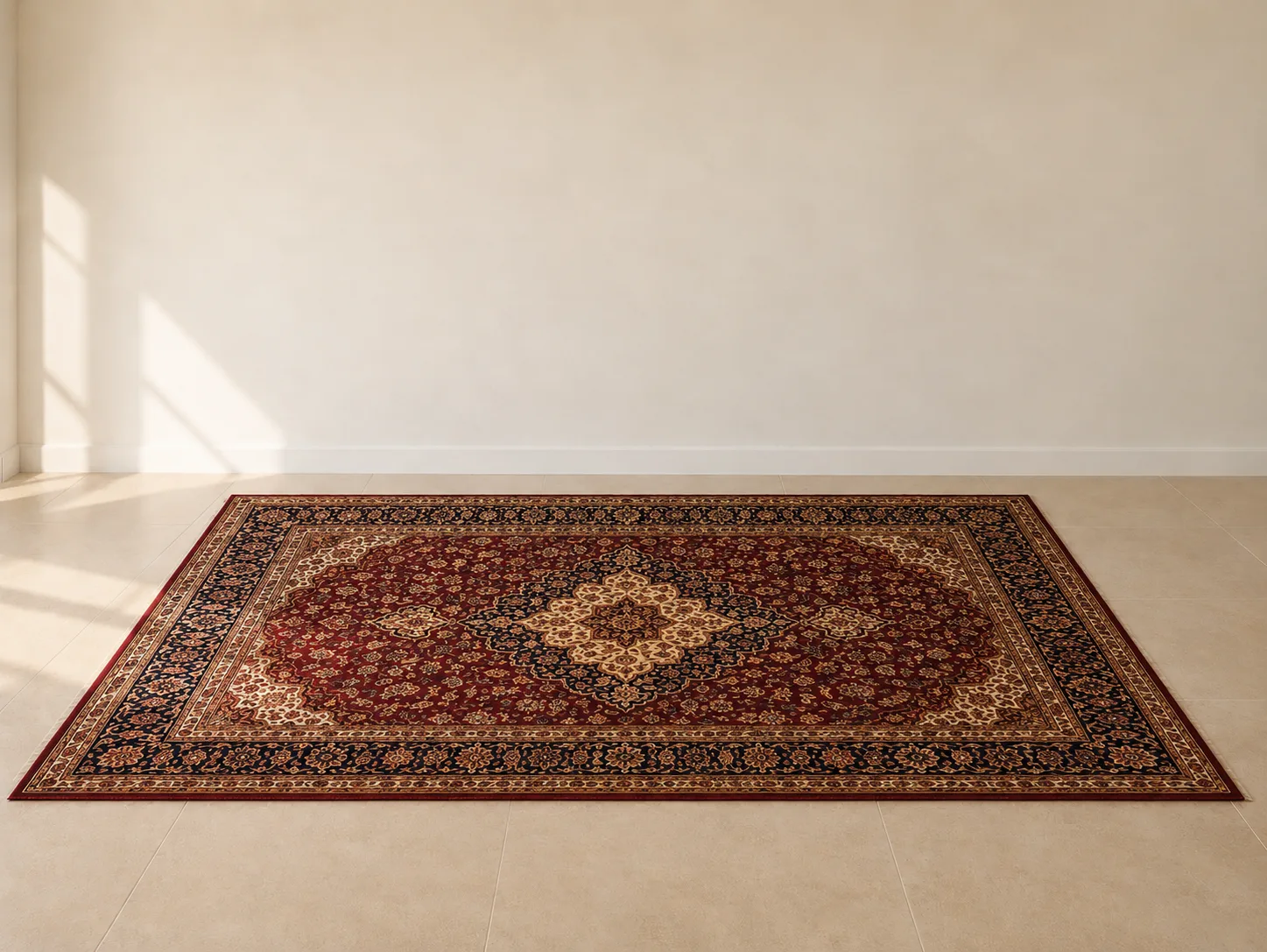 Iran (Persia)Persian Rug
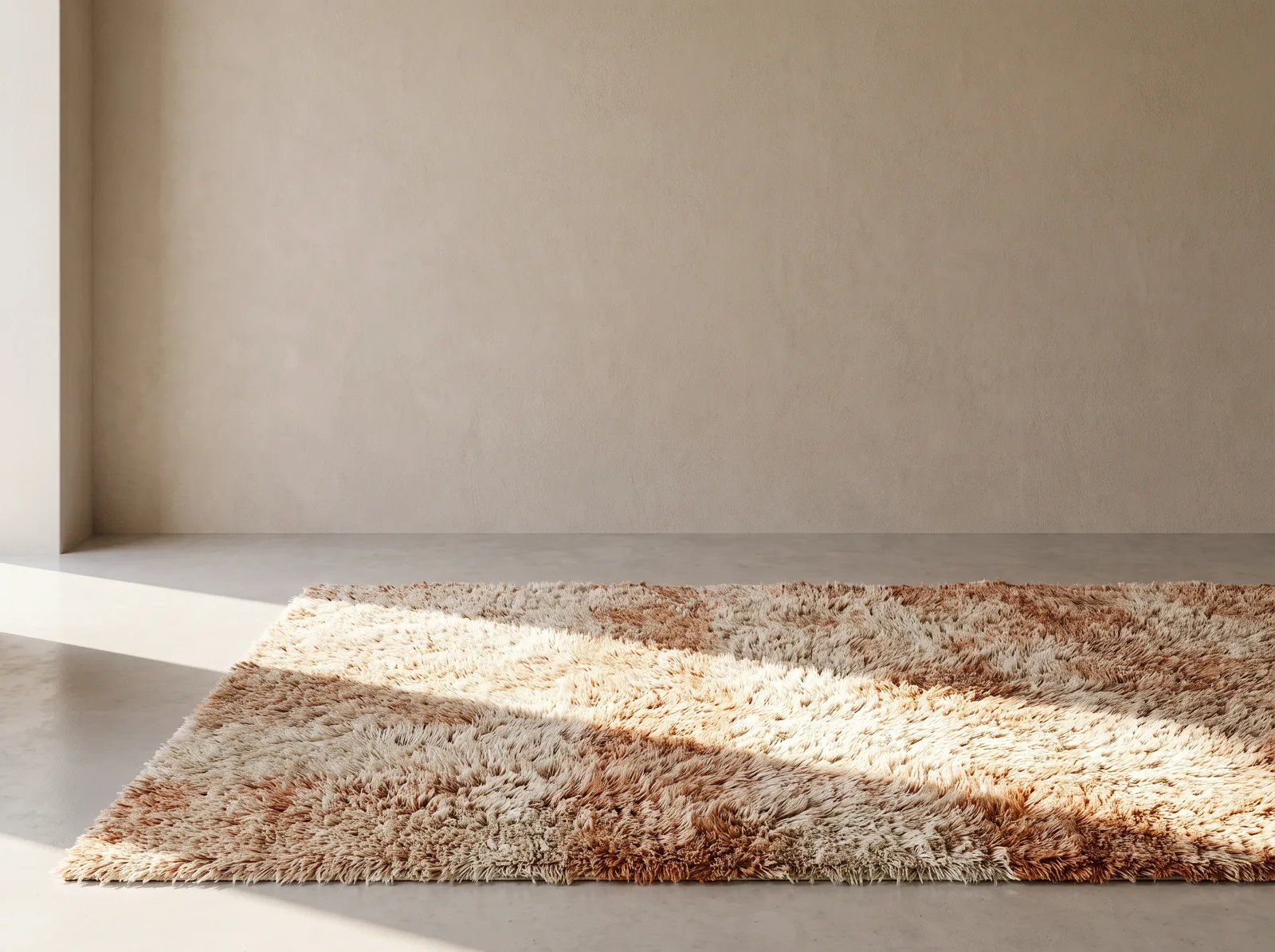 USA/Western Europe, with roots in Greece and ScandinaviaShag Rug
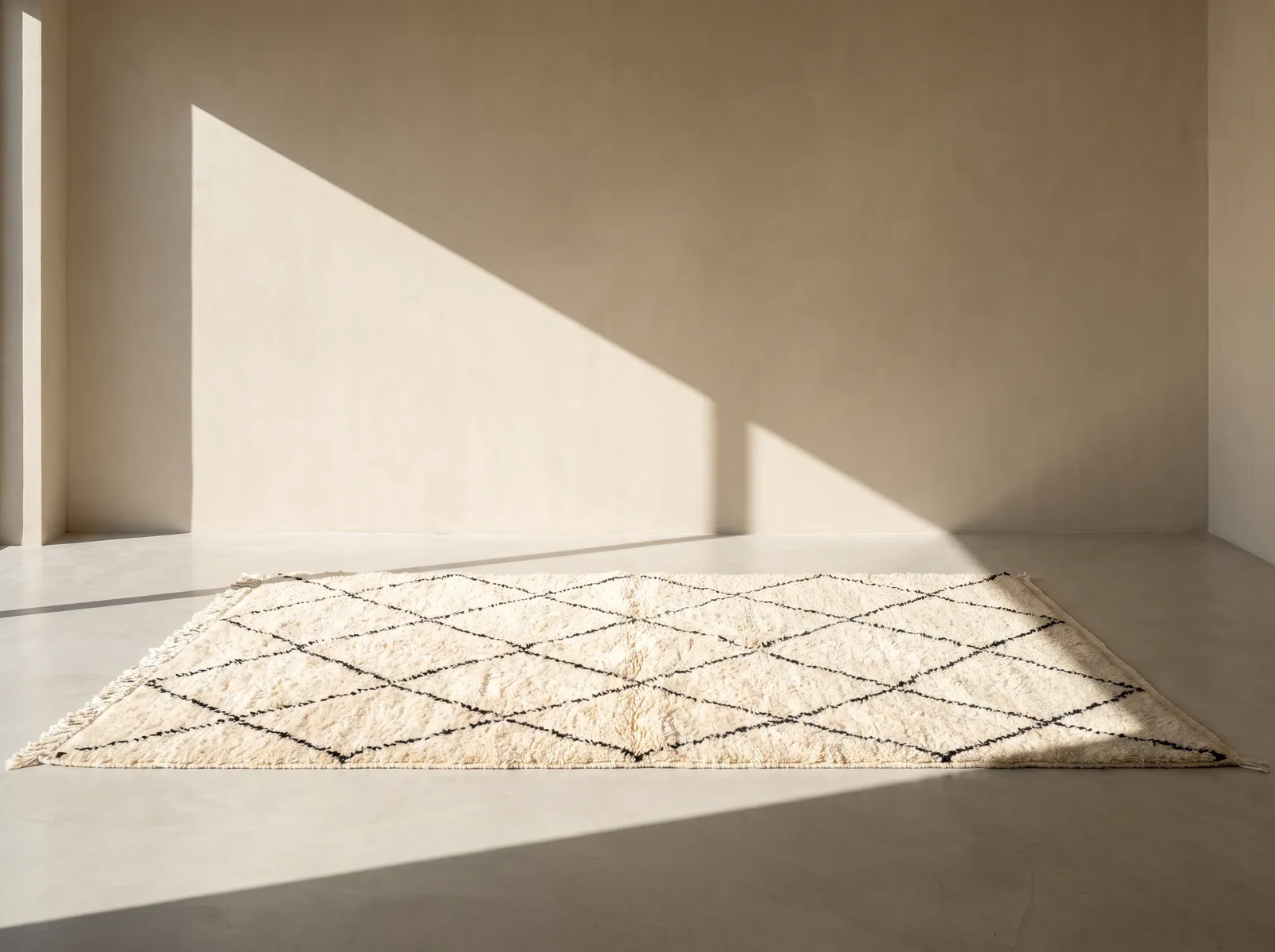 Atlas Mountains, Morocco (Amazigh/Berber tribes)Moroccan Berber Rug
 Diné (Navajo) Nation, American SouthwestNavajo Rug