Moroccan Berber Rugs: Weaving, Pattern and Texture
Atlas Mountains, Morocco (Amazigh/Berber tribes)
A Moroccan Berber rug brings handwoven texture and graphic pattern to the room. Learn about Amazigh traditions and considered styling.
More Than a Rug
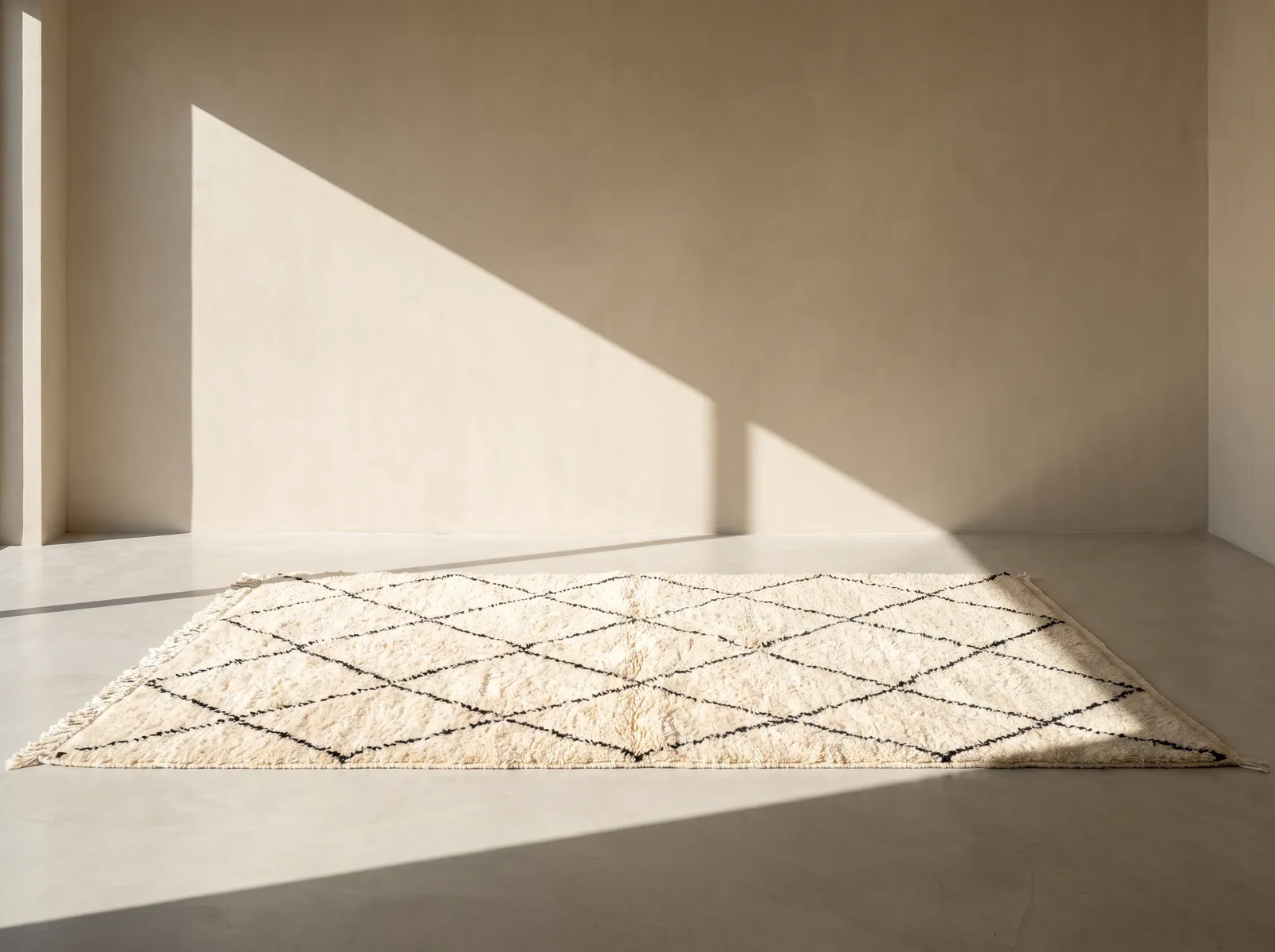
Cream-colored wool interrupted by simple black diamonds and lines — few rug patterns have become as ubiquitous in recent decades as the Moroccan Berber rug. But unlike many trend patterns born in the advertising industry, this look grew out of a centuries-old domestic craft practiced by the Amazigh peoples (North Africa's indigenous inhabitants, often referred to as "Berbers") in the remote villages of the Atlas Mountains.
The Amazigh: Origin of a Craft
For the Amazigh tribes of the Atlas Mountains, rug weaving was never intended for sale — it was a practical necessity. The thick wool protected against the cold of the mountain regions, where winter temperatures drop well below freezing. Traditionally, only women weave these rugs, with the craft passed down orally and practically from mother to daughter, with no written patterns or templates. As a result, every rug is a unique, never-exactly-repeatable piece.
Beni Ourain: The Best-Known Face
The Berber rug type best known internationally today carries the name of the Beni Ourain tribe, whose cream-colored wool and minimalist, mostly diamond-shaped black patterns have become synonymous with "Moroccan rug" in Western interiors. Originally, these rugs were made from the natural, undyed wool of local sheep breeds — the cream-white base color isn't a design choice at all, but simply the wool's natural color. This restrained palette is a major reason Beni Ourain rugs slot so effortlessly into modern, minimalist interiors.
A Language of Symbols
The geometric patterns on Berber rugs are rarely purely decorative. Many motifs carry symbolic meanings, ranging from fertility and protection to significant events in the weaver's own life — some researchers even compare the patterning to a kind of visual diary. Because these meanings are passed down orally and vary from tribe to tribe, much of this symbolism remains undeciphered today, giving the rugs an added layer of cultural depth beyond pure aesthetics.
From Le Corbusier to Interior Trend
Berber rugs first entered the field of vision of European designers more prominently in the 1920s, when modernist architects like Le Corbusier used them in their minimalist interiors — fascinated by the contrast between the strict geometry of their architecture and the rugs' warm, handmade texture. This early adoption laid the groundwork for a popularity that persisted for decades and turned into a full-blown global trend in the 2010s, driven by interior blogs and social media.
Diversity Beyond Beni Ourain
Beyond the well-known Beni Ourain style, numerous other Berber rug traditions exist, each with its own distinct character. Boucherouite rugs, for example, are woven from recycled textile scraps, fabric strips, and old clothing, resulting in bold, often irregular color patterns — originally born from economic necessity, now valued precisely for their uniqueness. Azilal rugs, meanwhile, combine the cream wool base with colorful, often abstractly playful patterns. This diversity makes clear that "Berber rug" is an umbrella term for a whole spectrum of distinct regional signatures.
A Statement for Boho, Eclectic, and Modern Organic
The Berber rug works across a remarkably wide range of styles. In Boho interiors, it complements rattan and warm earth tones almost predictably. In eclectic rooms, its understated patterning provides a calm counterpoint to bolder individual pieces. And in Modern Organic interiors, its natural wool texture and cream base underscore exactly the nature-driven, unobtrusive material language that defines the style.
The Berber Rug in Today's Interiors
A Beni Ourain rug works especially well as a calm, texture-rich base beneath a fairly simple sofa or bed, where its pattern doesn't have to compete with other patterns in the room. In smaller formats, it also works well as a wall hanging — a traditional use still common in many Amazigh households. Since genuine hand-knotted pieces vary slightly in size and pattern, it's worth checking dimensions and origin carefully when buying.
Ateliology Style Verdict
The Berber rug shows how a purely domestic craft, born of sheer necessity in the mountains of Morocco, can become one of the most influential patterns in the global interior world. Its restrained color palette and handmade texture make it a rare case: a pattern that is both culturally significant and nearly universally applicable. That is exactly what makes the Berber rug a genuine style piece.
More rug styles
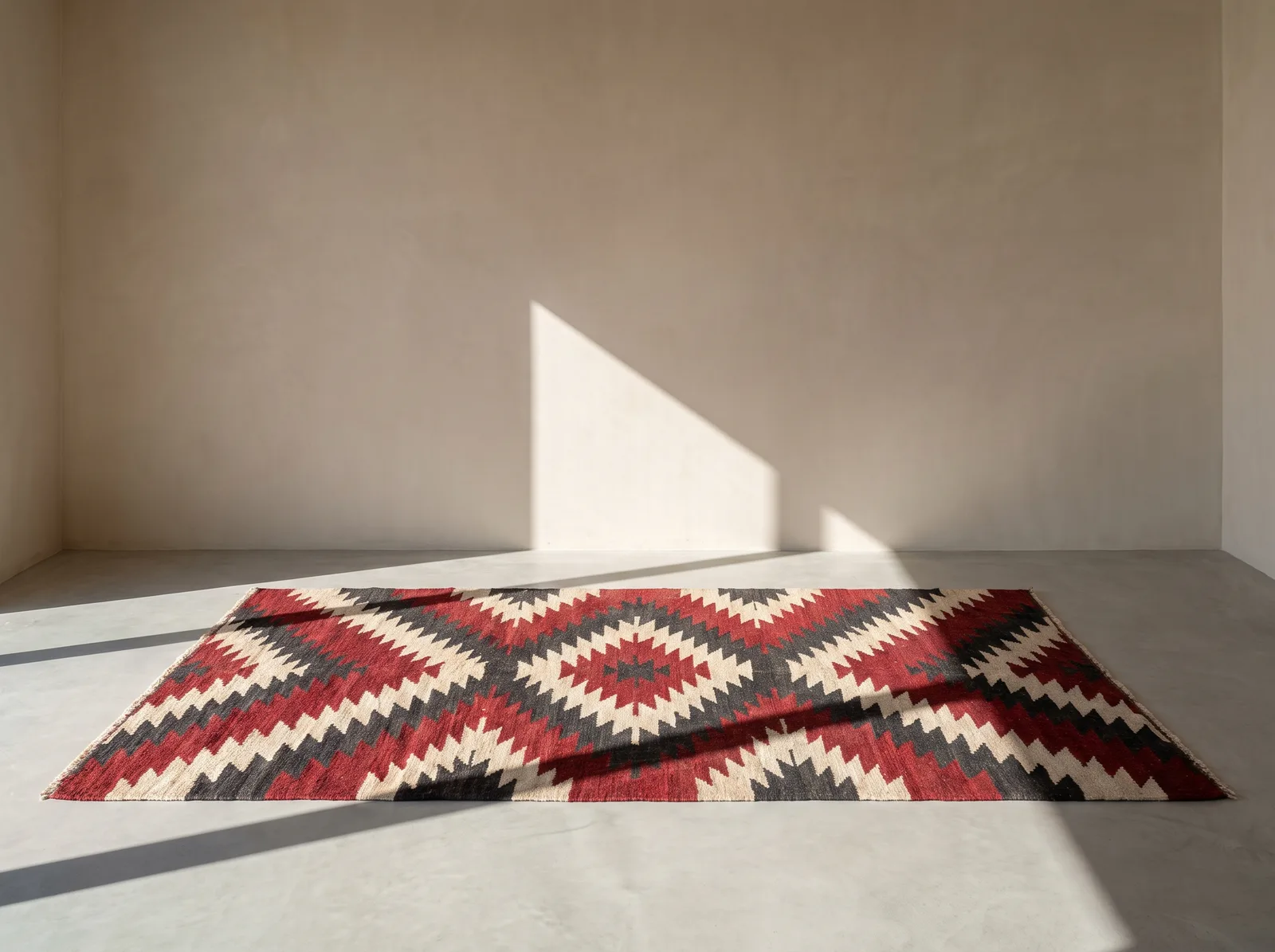 Diné (Navajo) Nation, American SouthwestNavajo Rug
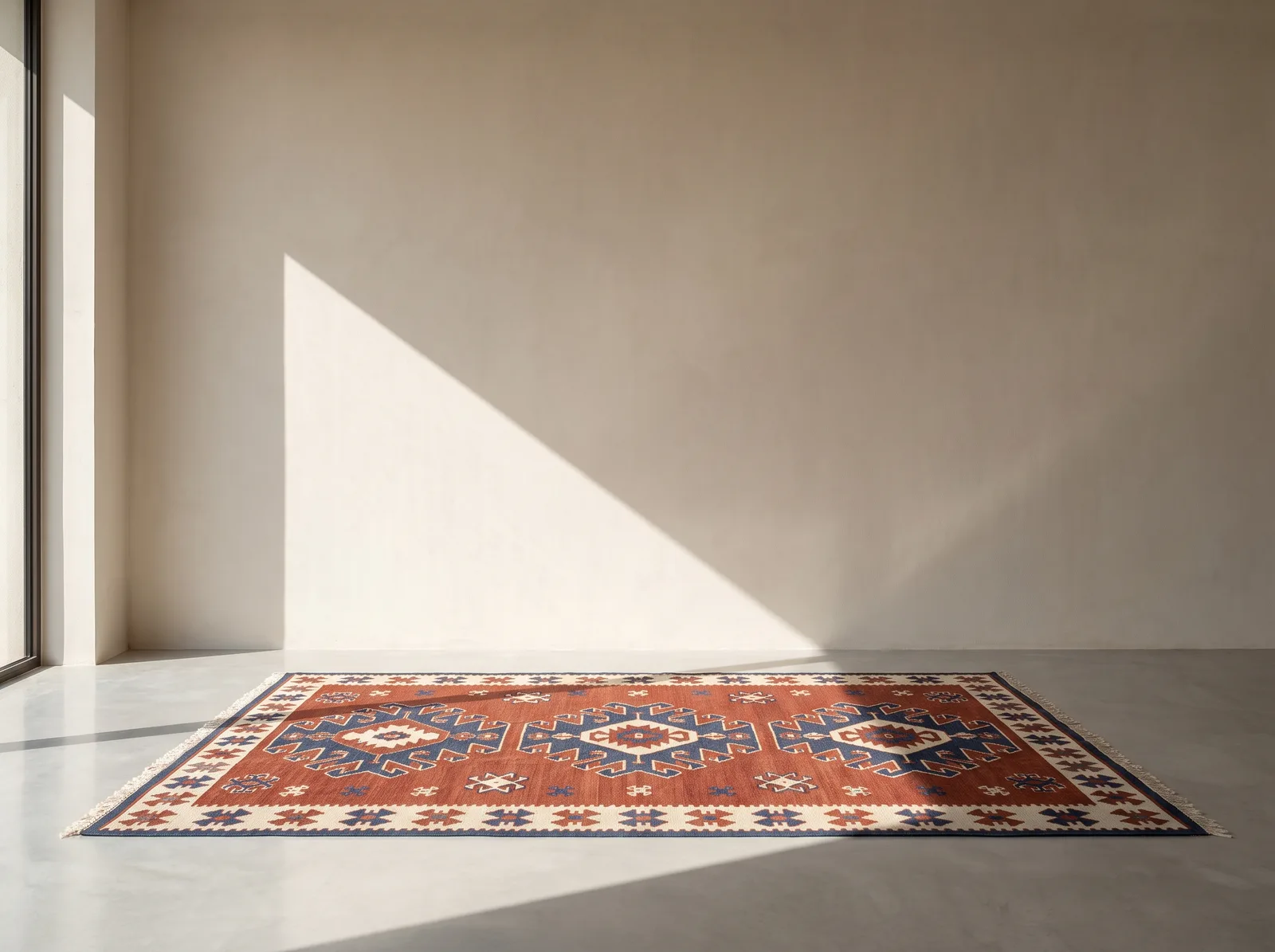 Anatolia, the Caucasus, and PersiaKilim Rug
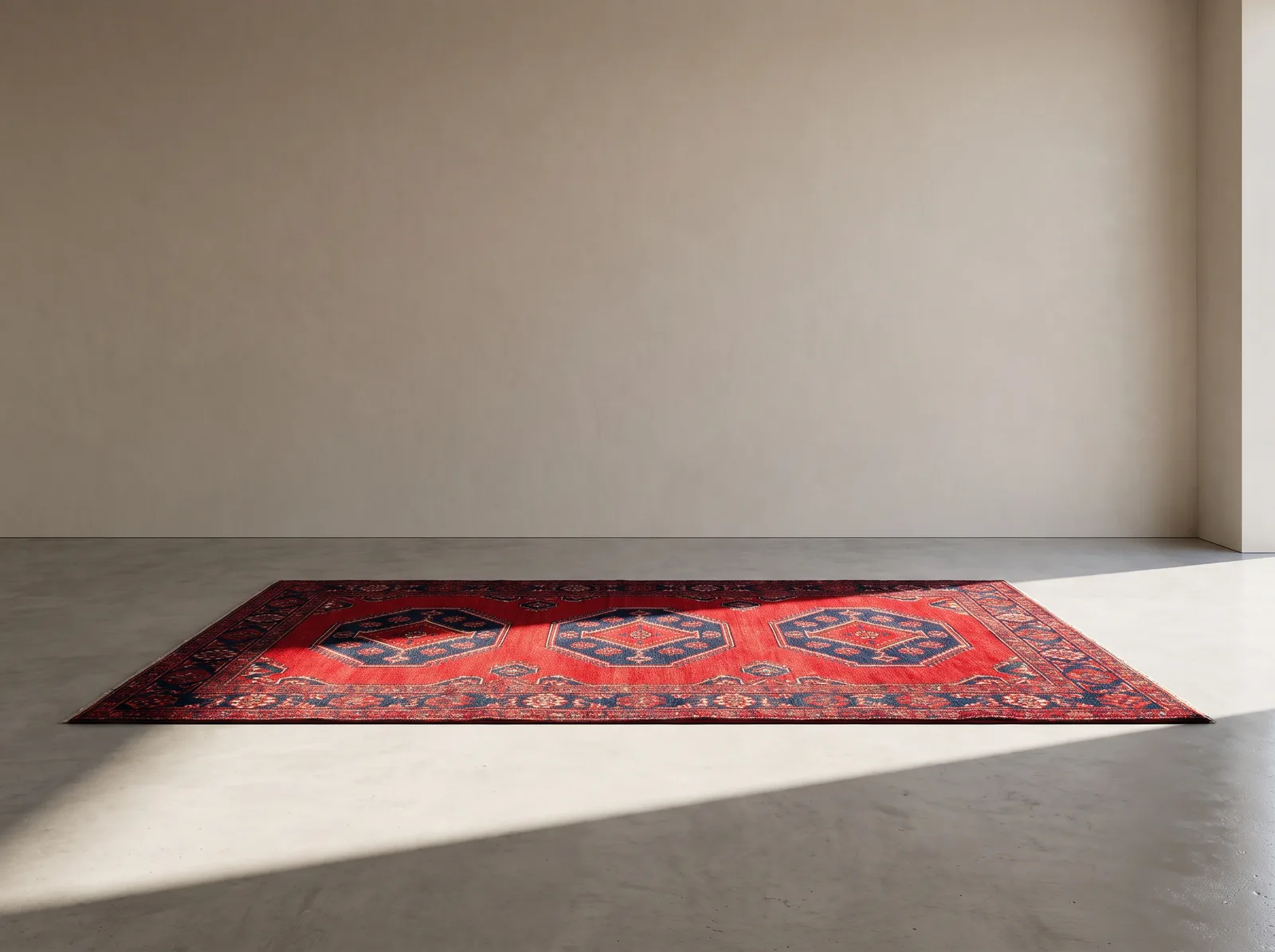 Anatolia, TurkeyTurkish Rug
 Uşak, Western TurkeyOushak Rug