17 Iconic Chairs and the Ideas Behind Them
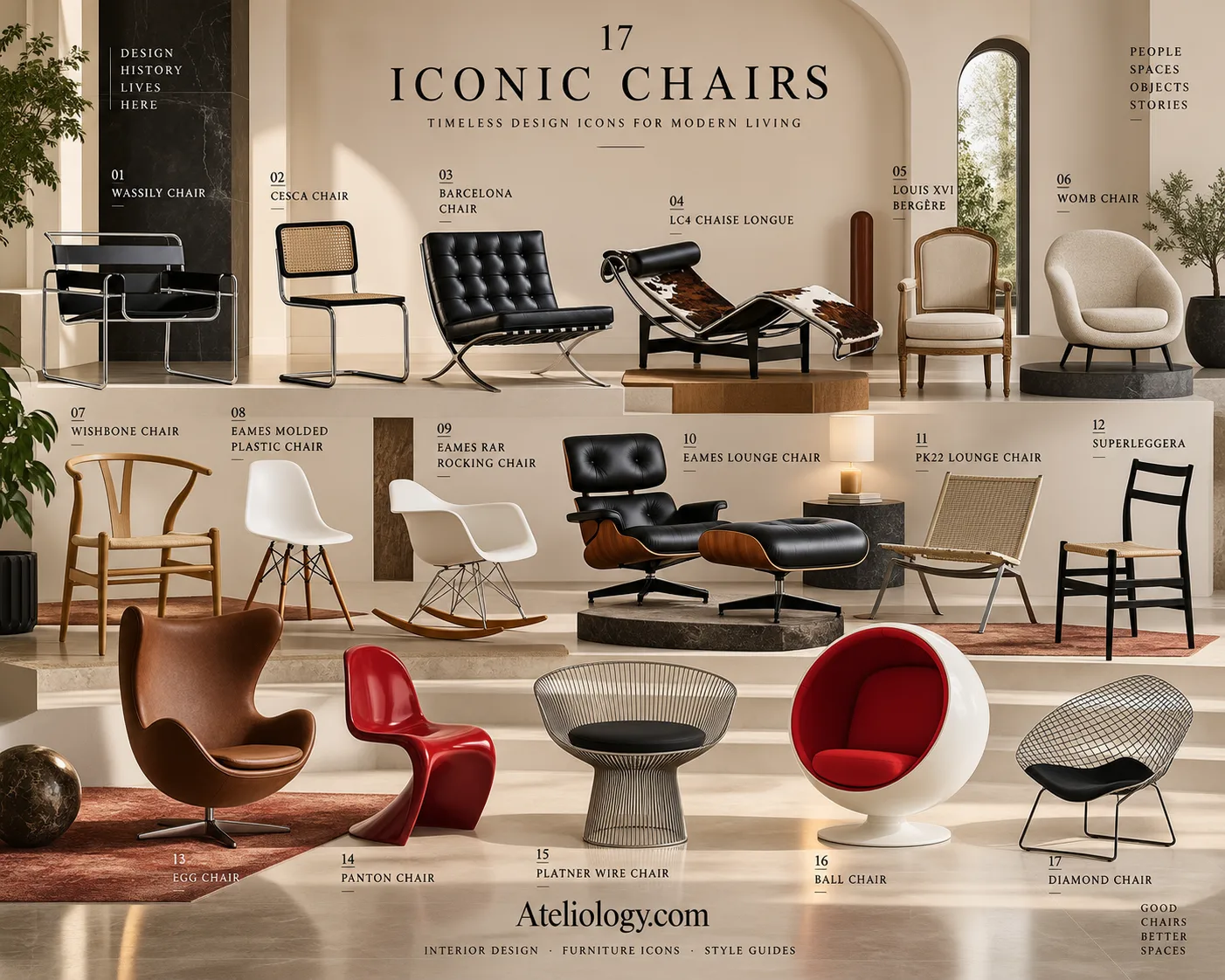
17 iconic chairs, 17 different ideas: discover the shapes, materials and people behind familiar design classics.
Wassily Chair
Marcel Breuer, 1925
Tubular steel makes the structure visible.
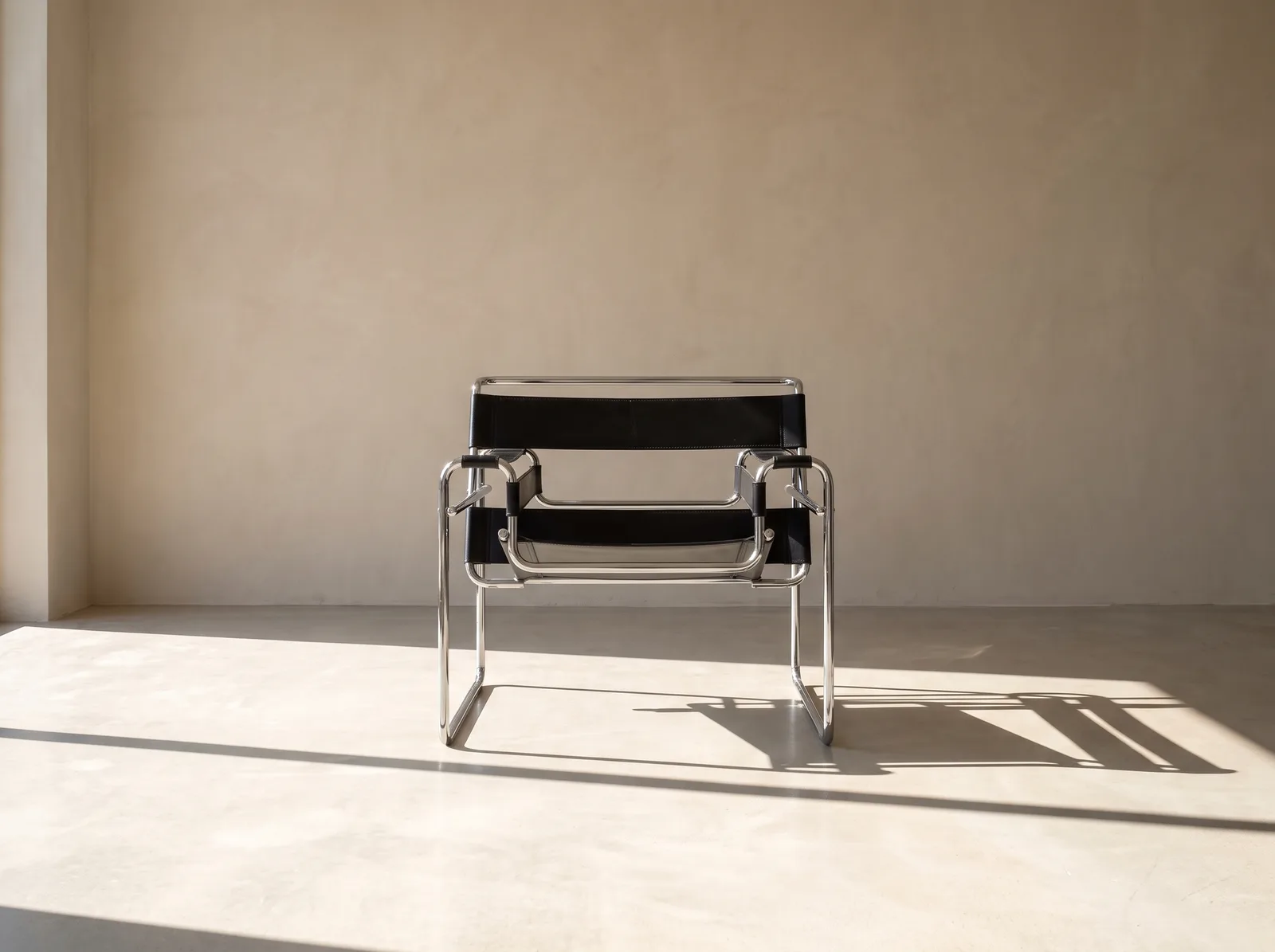
Marcel Breuer used bent steel tubing to draw an open frame, with taut bands providing the surfaces for sitting. The design shows how an industrial material could change both construction and appearance. Its open sides are worth keeping visible when placing it among heavier furniture.
Cesca Chair
Marcel Breuer, 1928
A cantilever frame meets timber and cane.
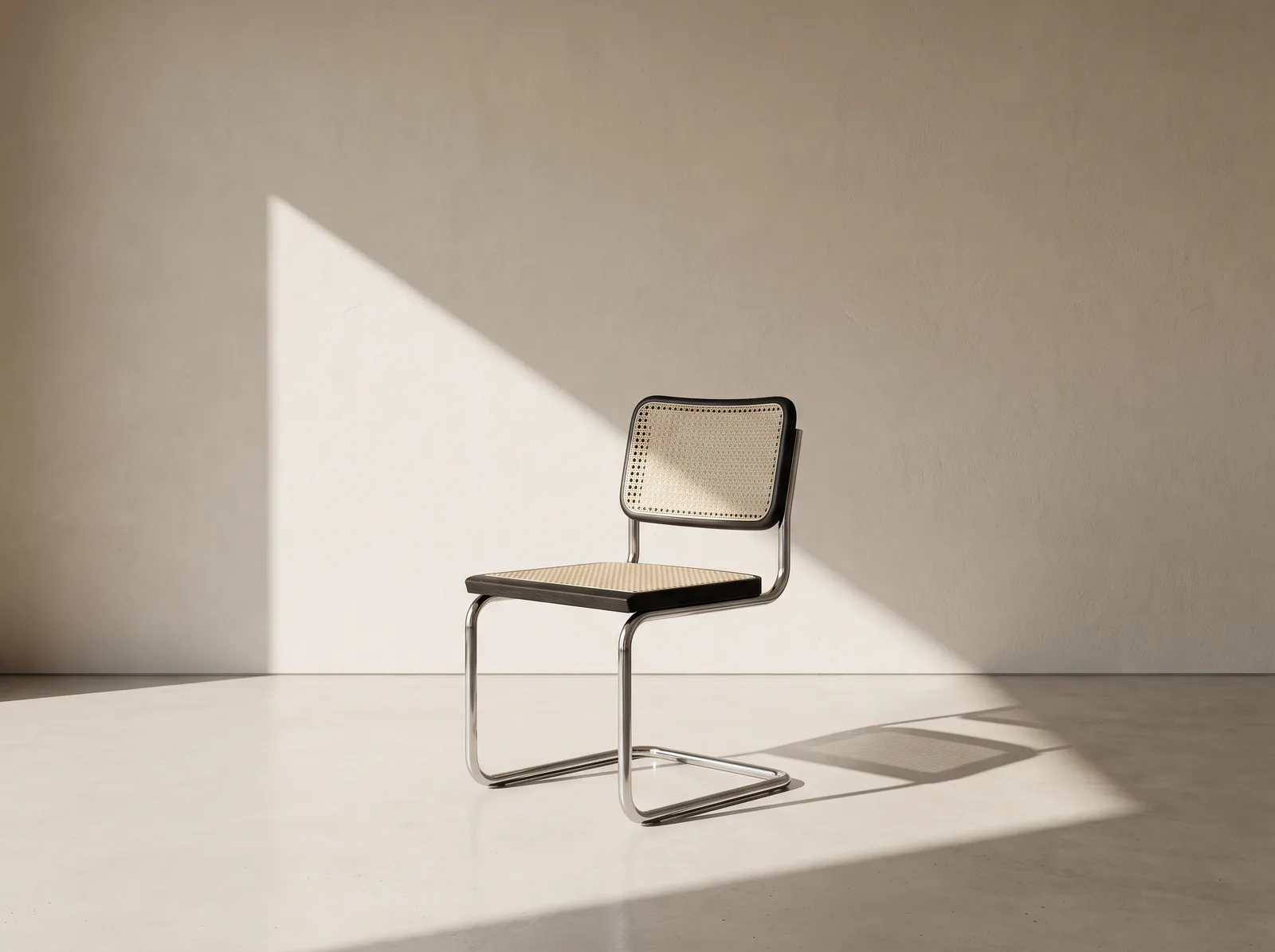
Breuer paired a cantilevered metal frame with wooden edges and woven cane. The rear legs disappear, while the weave gives the seat a warmer surface. The combination can connect a simple dining table with other timber or woven pieces in the room.
New materials, new structures
Tubular steel allowed supports to become slimmer and remain exposed. Designers also reconsidered how a surface could support the body, as the following reclining chair demonstrates.
Barcelona Chair
Ludwig Mies van der Rohe & Lilly Reich, 1929
Proportion, leather and metal shape the effect.
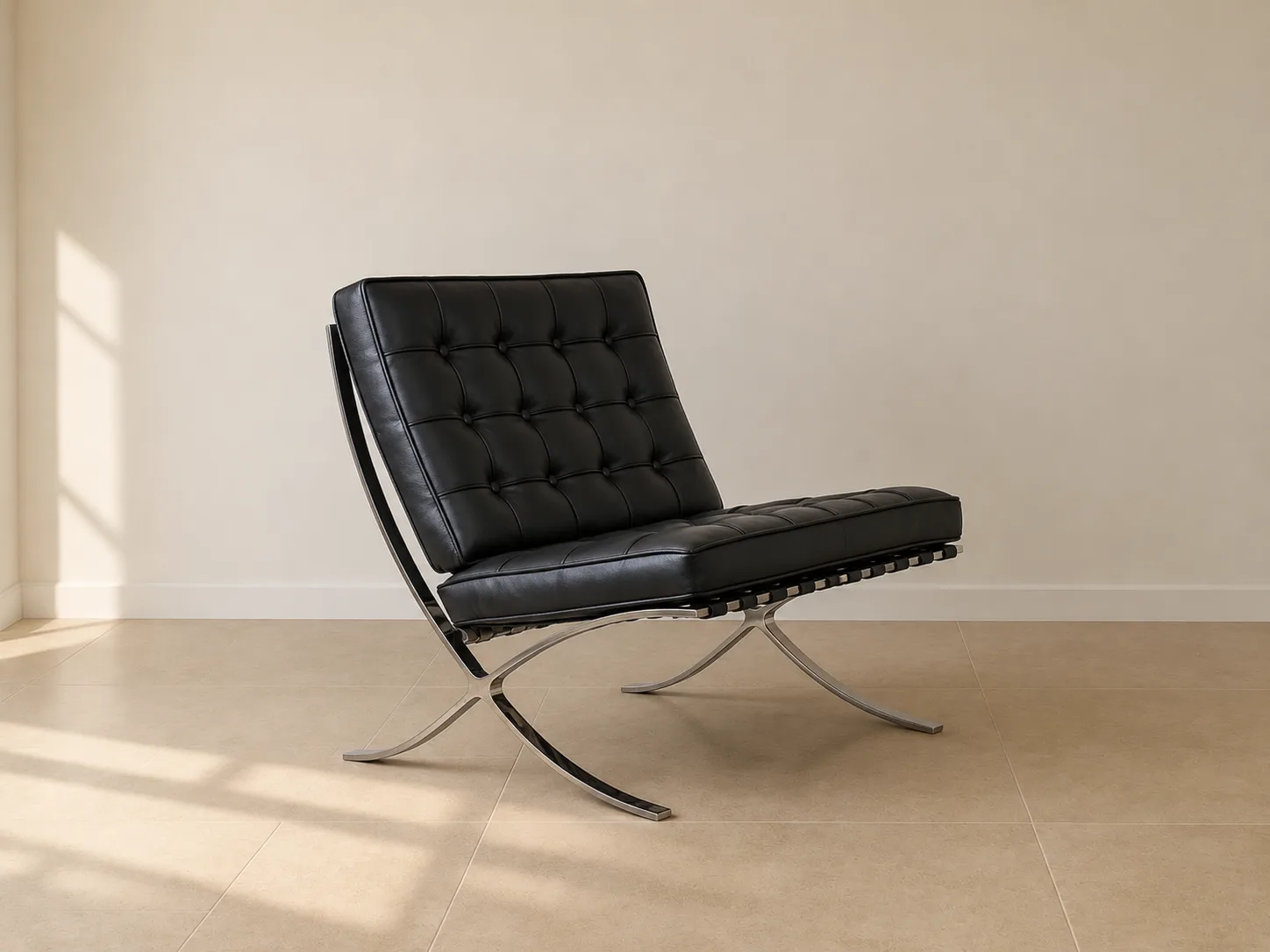
Created for the 1929 Barcelona Pavilion within the work of Mies van der Rohe and Lilly Reich, the chair balances broad cushions on crossing metal bands. Its richness comes from proportion and contrasting surfaces. A little clear space at the sides makes the structure easier to appreciate.
LC4 Chaise Longue
Le Corbusier, Charlotte Perriand & Pierre Jeanneret, 1928
A curved frame supports a reclining posture.
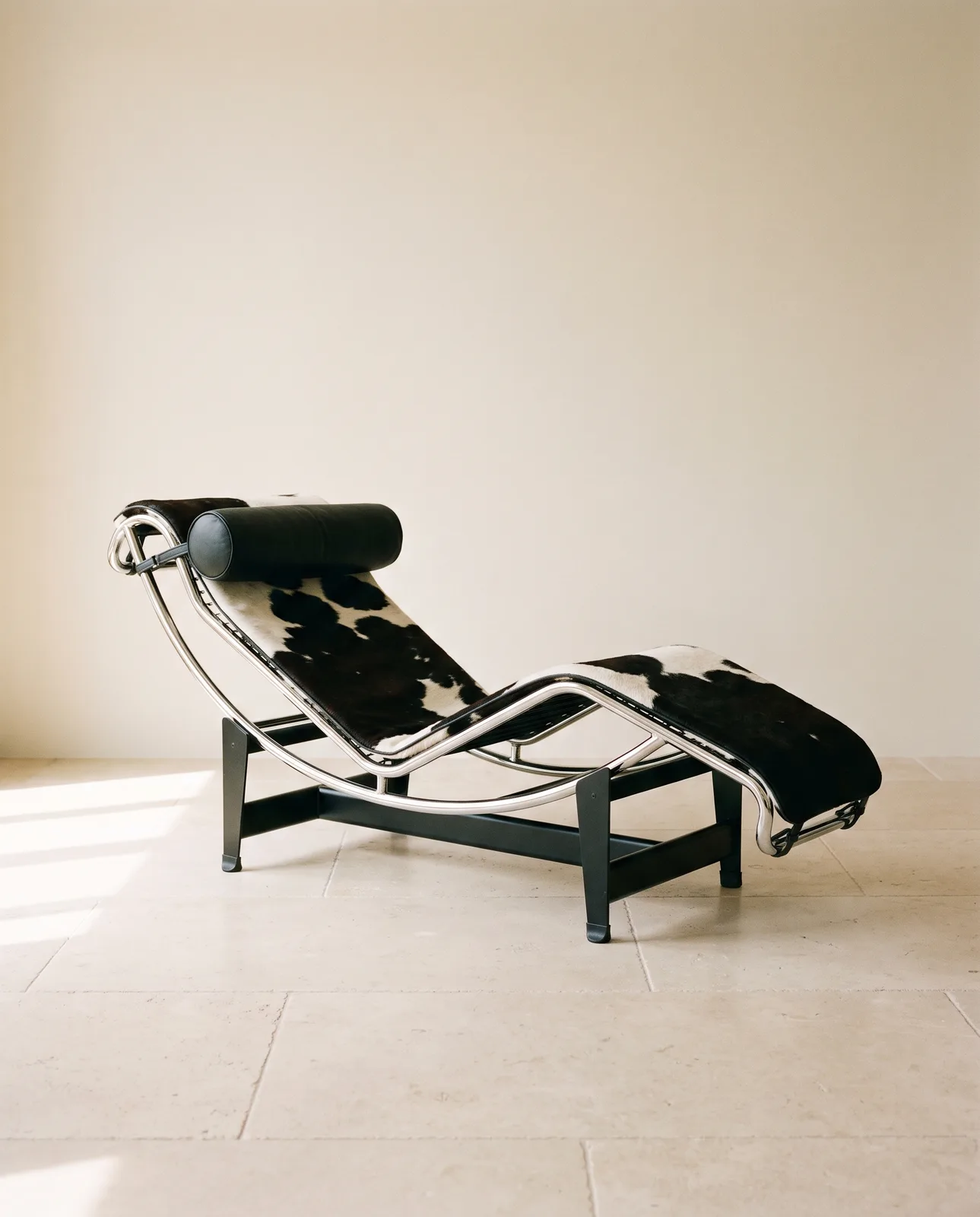
Le Corbusier, Pierre Jeanneret and Charlotte Perriand separated the reclining frame from its support. Changing the inclination changes the resting position, while the shape remains clearly readable. Leave room at both ends and check that the neck support and angle suit you.
Louis XVI Bergère
Classical lines around a soft upholstered seat.
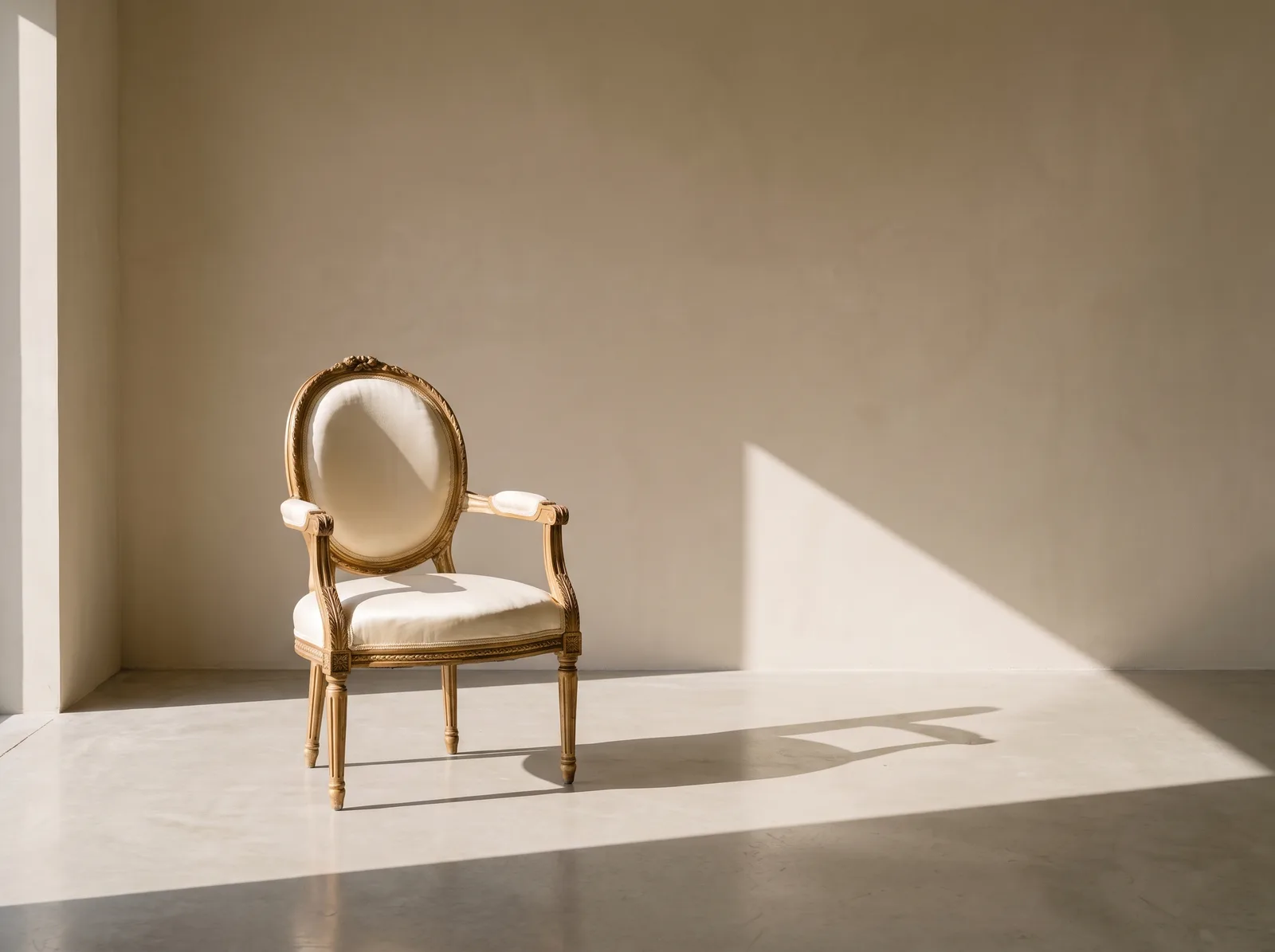
The Louis XVI-style bergère combines enclosed upholstered sides with a visible frame and classical detail. Straight or fluted legs distinguish its vocabulary from more flowing Rococo forms. Later revivals use the same features, so appearance alone does not establish an eighteenth-century date.
Womb Chair
Eero Saarinen, 1948
A generous shell for relaxed sitting.
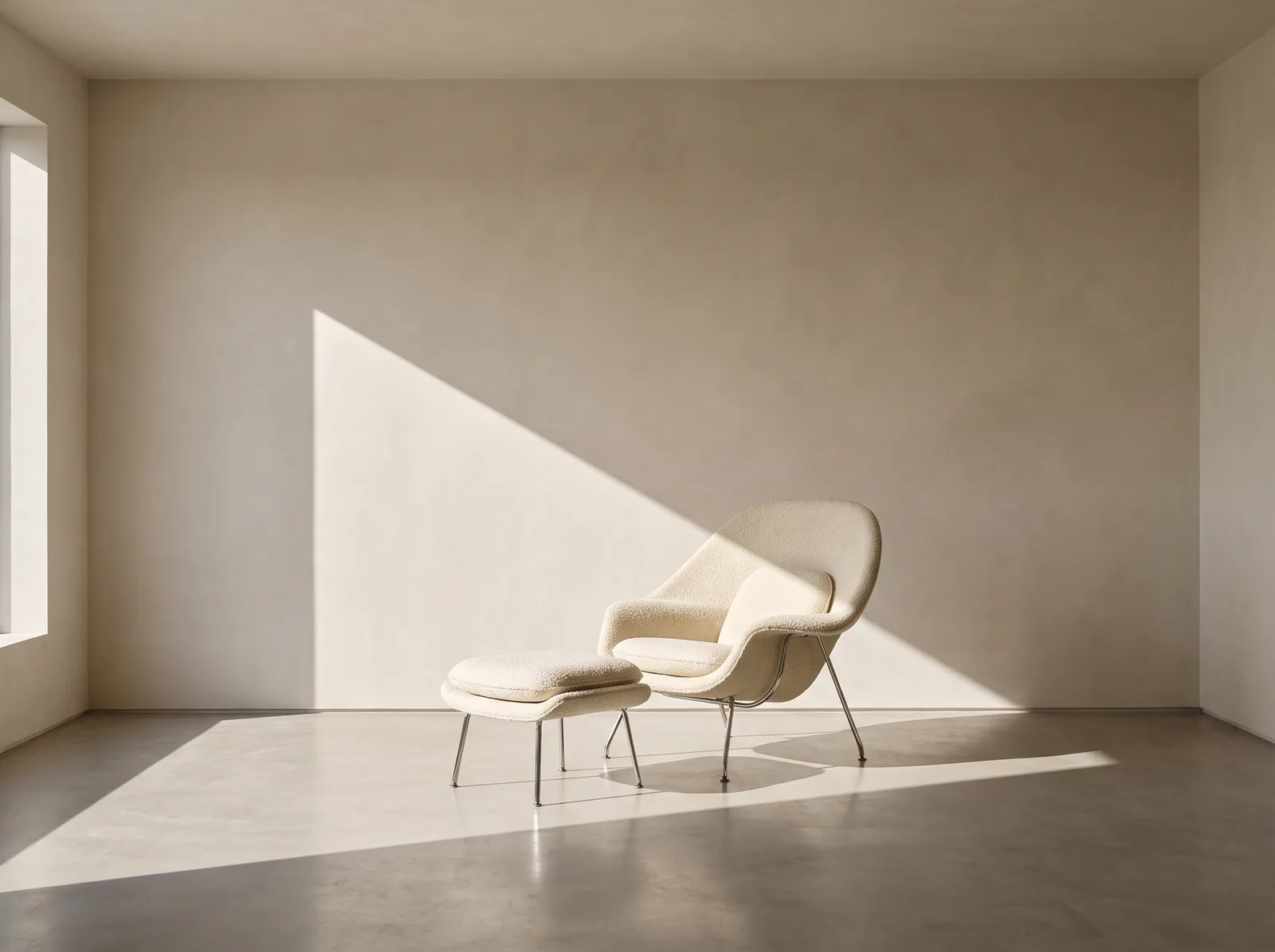
Florence Knoll asked Eero Saarinen for a chair that allowed relaxed, varied sitting positions. The Womb Chair answers with a broad upholstered shell above a slender base. A footrest can extend the seat into a reading spot, provided both pieces fit the room.
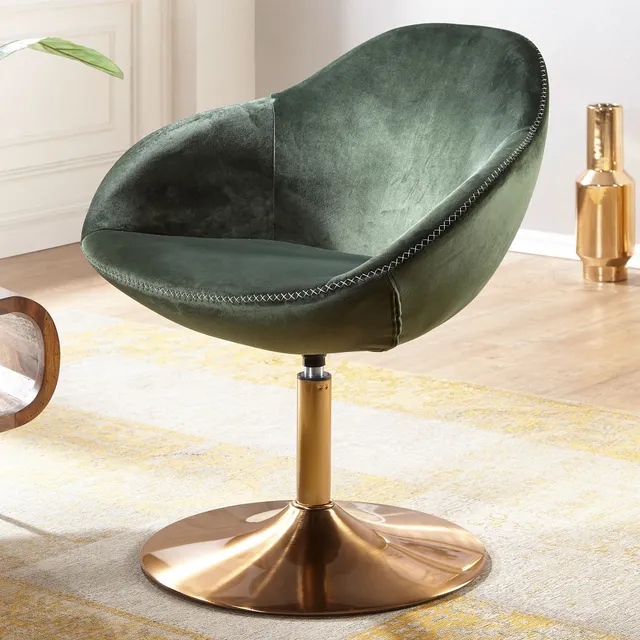
The possibilities of a moulded shell
Moulded plastics opened further possibilities. Continuous shells could be paired with different bases and adapted for different uses. Charles and Ray Eames developed that idea into a family of furniture.
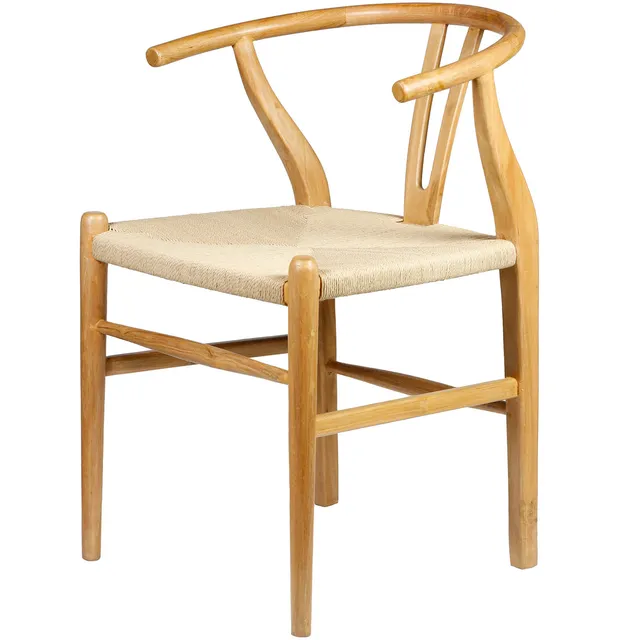
Wishbone Chair
Hans J. Wegner, 1949
A Y-shaped back and a woven seat.
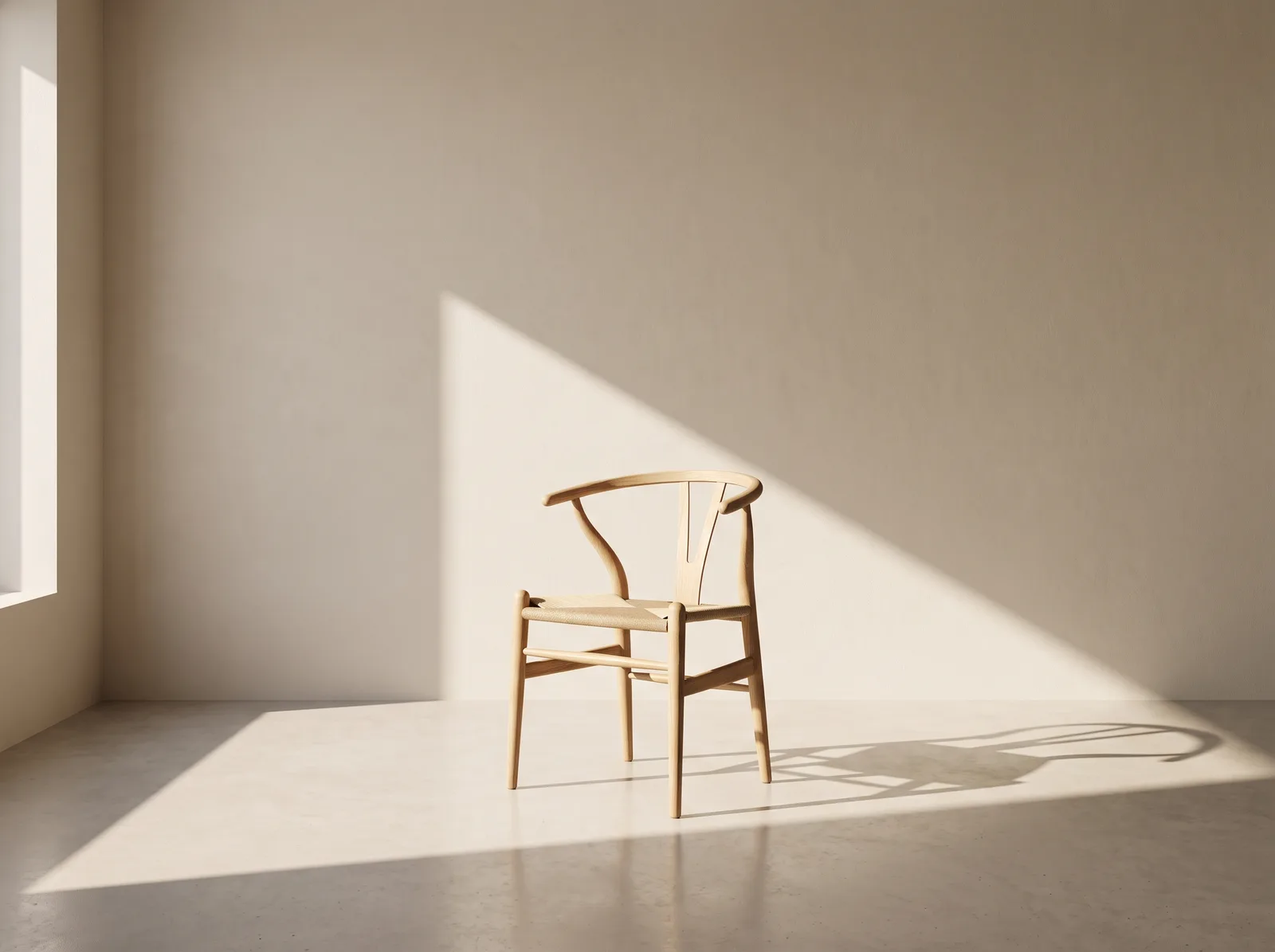
Hans J. Wegner brought a curved timber back, central Y support and paper-cord seat together in the CH24. The transitions between wooden parts reward a closer look. At a dining table, check the arm height as well as the colour and finish.
Eames Molded Plastic Chair
Charles & Ray Eames, 1950
One shell, several ways to support it.
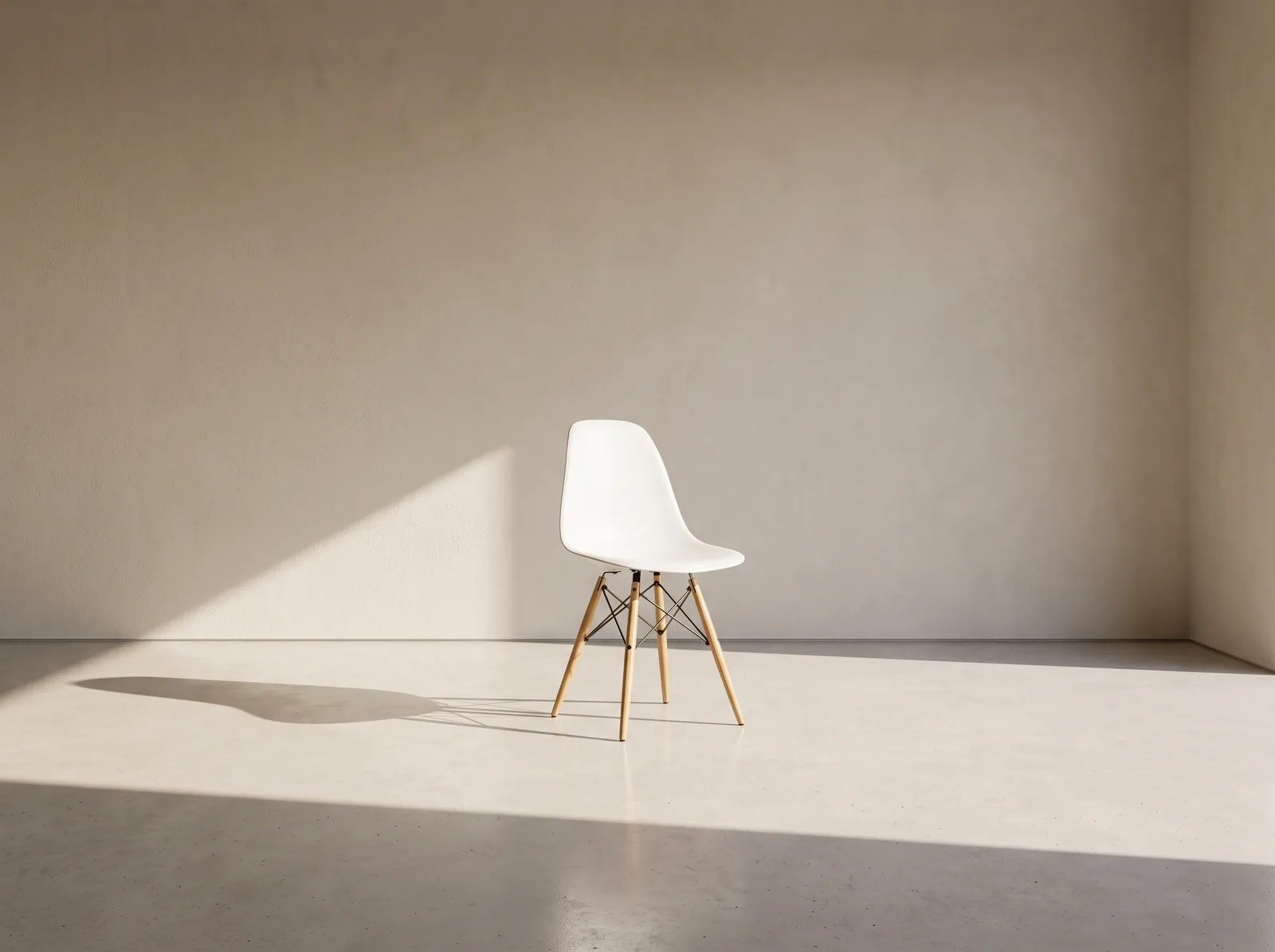
Charles and Ray Eames treated the moulded shell as the starting point for a family of chairs. Changing the base changes the use and visual character. Materials evolved over time, so compare the actual edition rather than assuming every familiar shell is made alike.
Eames RAR Rocking Chair
A familiar shell with a rocking base.
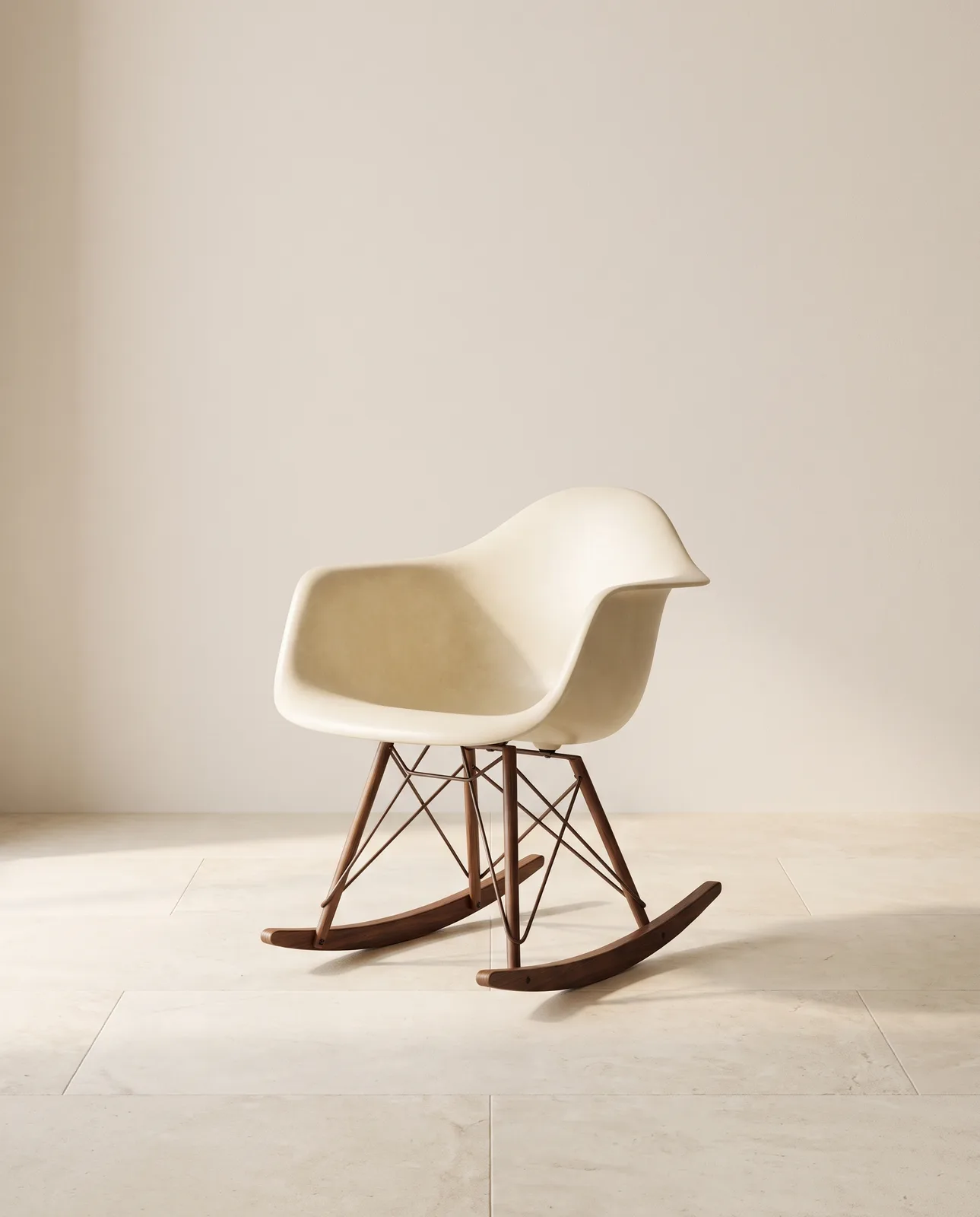
The RAR adds wire supports and wooden runners to an Eames armchair shell. It brings gentle movement to a compact seat and keeps the different materials clearly visible. Give it clearance to rock and try the low sitting position before deciding where it belongs.
Eames Lounge Chair
Charles & Ray Eames, 1956
Timber shells frame a comfortable retreat.
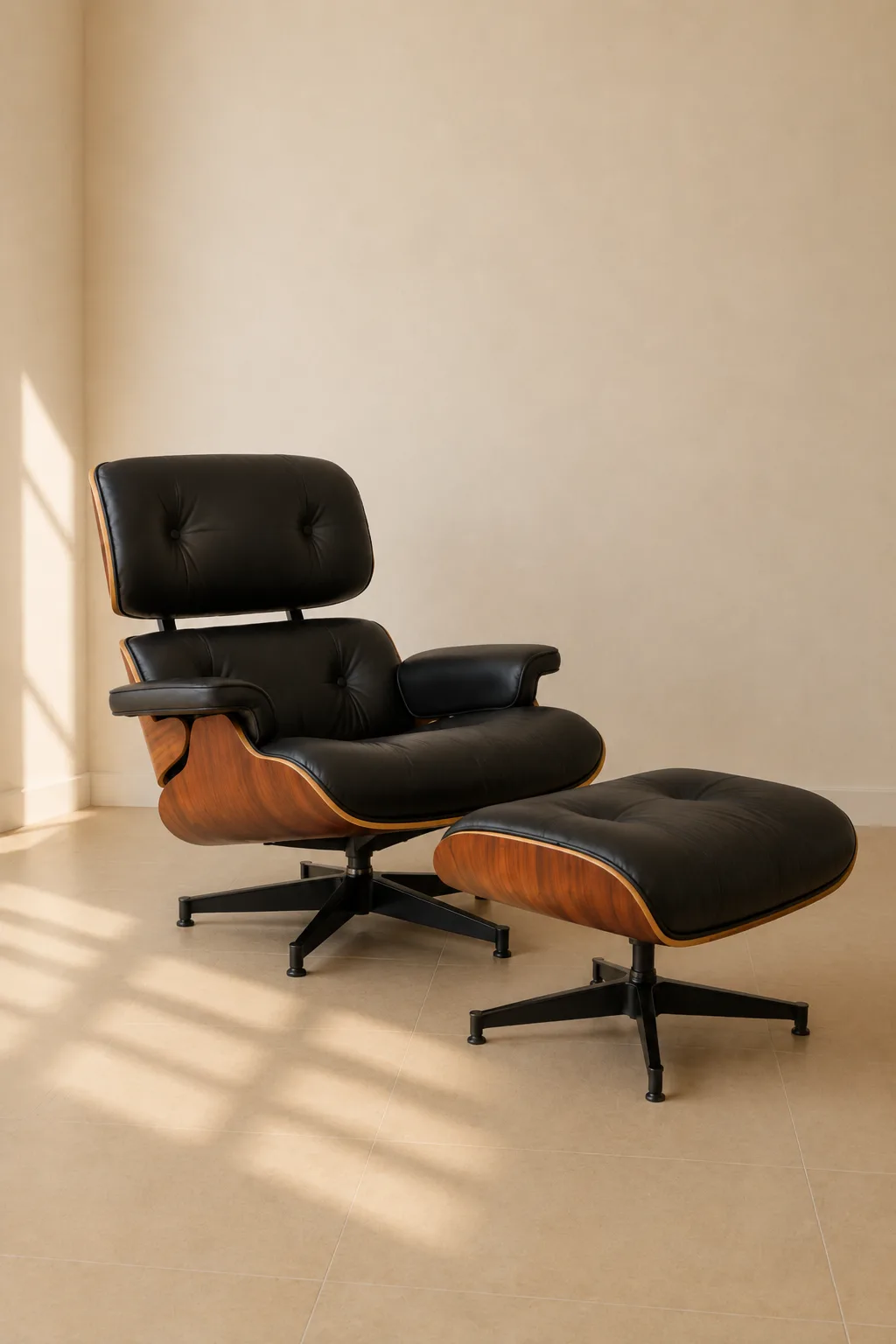
Introduced in 1956, the Eames Lounge Chair sets padded cushions within separate moulded timber shells. The rear view matters as much as the front. When planning a place for it, include the ottoman and leave the wood visible from another part of the room.
PK22 Lounge Chair
Poul Kjærholm, 1956
Low seating with a fine steel outline.
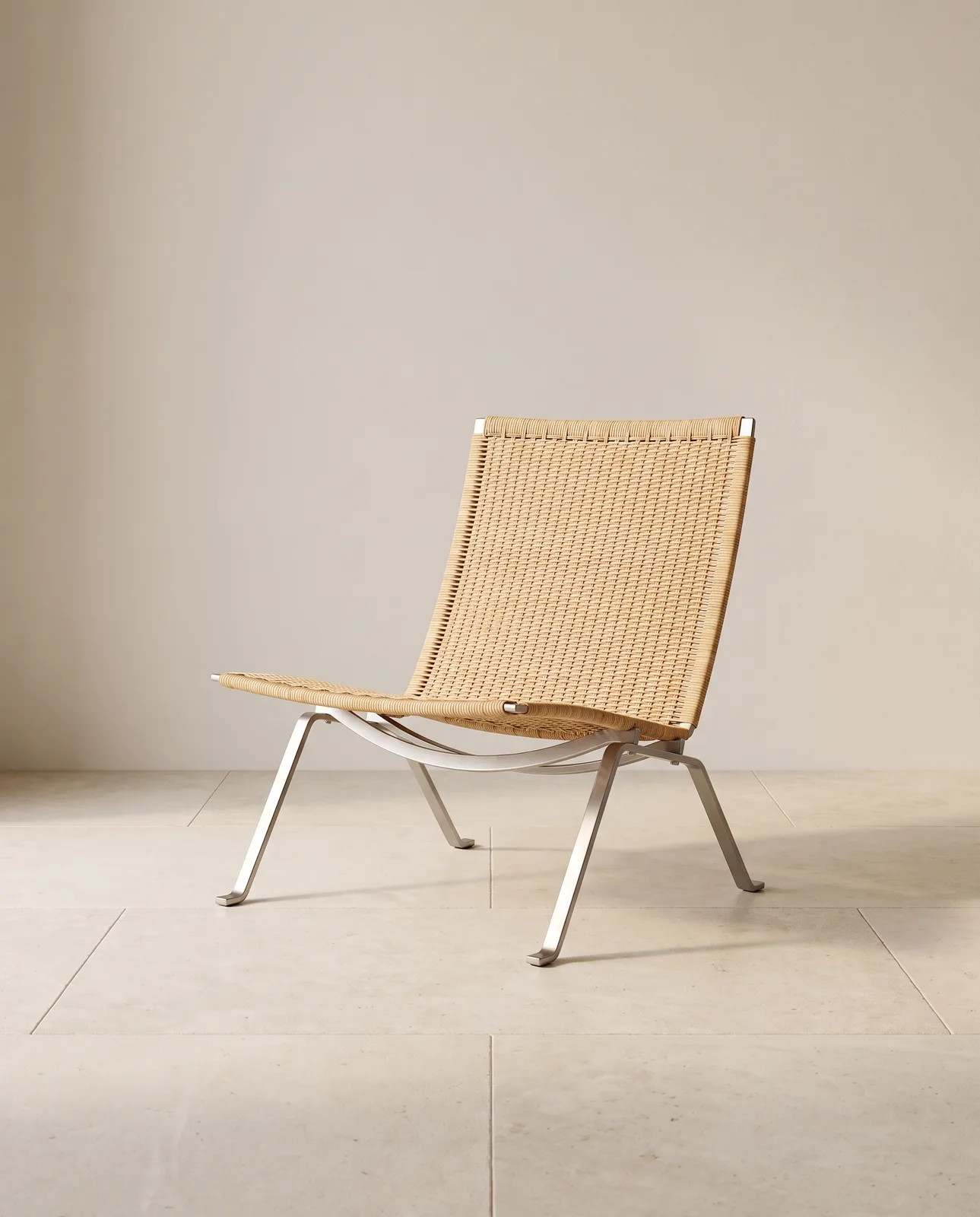
Poul Kjærholm used a low steel frame and a light seating surface to create the PK22. Its restrained volume offers a different view of Danish modernism from more substantial timber chairs. A low table and an open background can give its proportions space to work.
When the silhouette shapes the room
High backs, enclosed shells and continuous curves change more than the sitting position. They also shape the space around the chair.
Superleggera
Gio Ponti, 1957
Lightweight timber construction in focus.
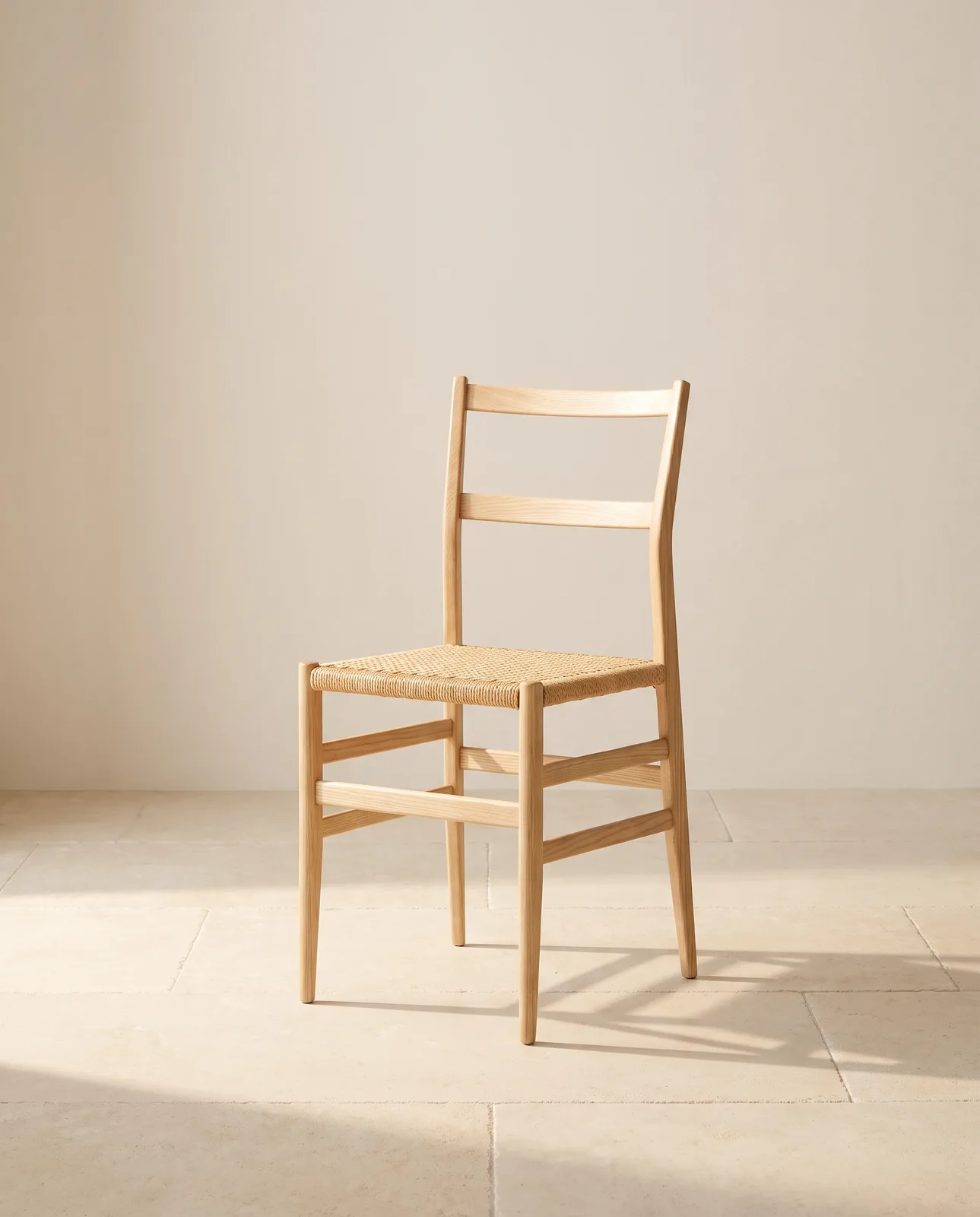
Gio Ponti developed the Superleggera through his interest in the lightweight chairs of Chiavari. The fine frame depends on careful structural refinement. It can keep a dining area visually open, but joints and condition deserve close attention on older examples.
Egg Chair
Arne Jacobsen
A high curved back creates a sheltered seat.
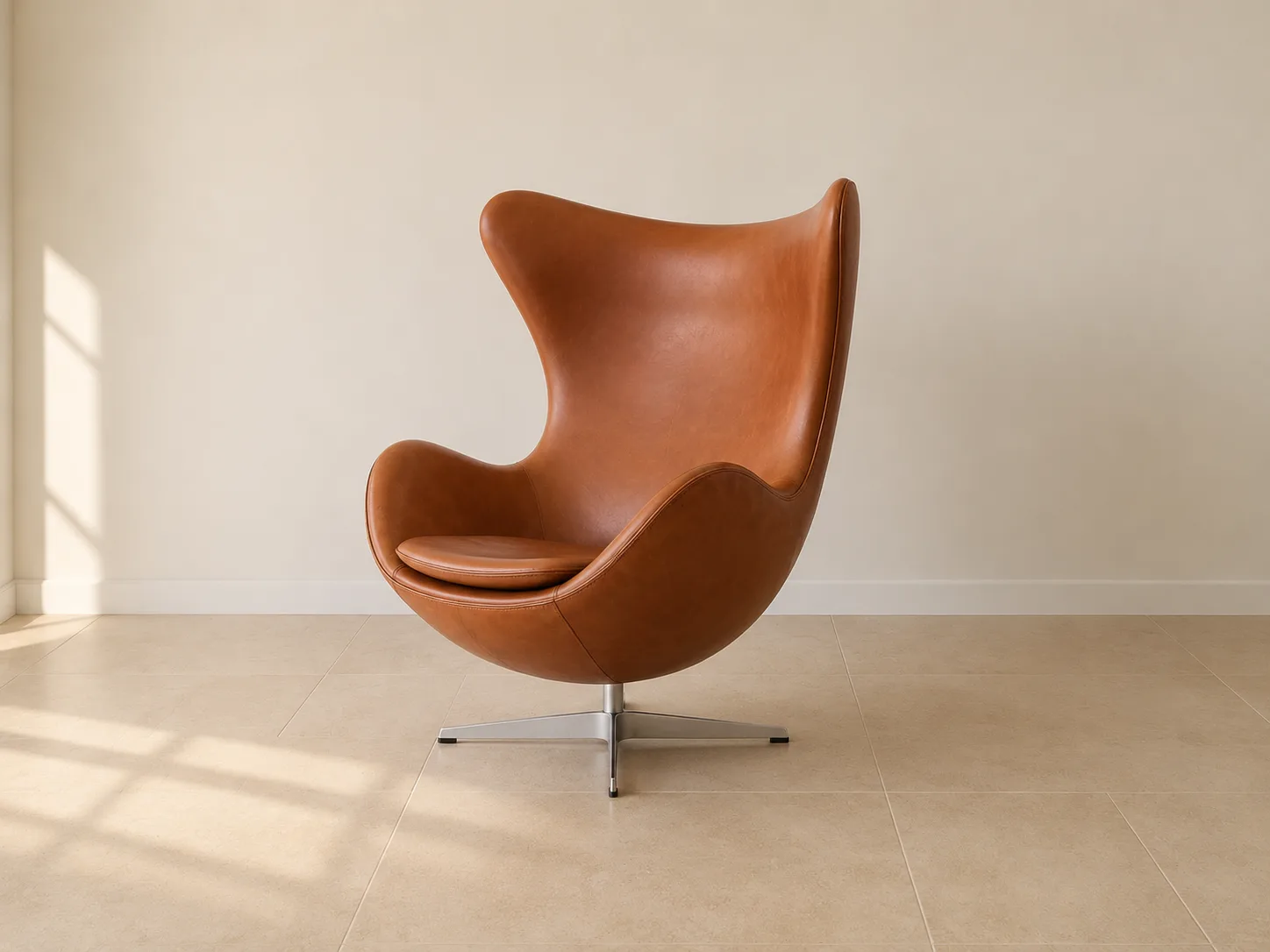
Arne Jacobsen designed the Egg for the SAS Royal Hotel in Copenhagen. The high back and side wings create a partly sheltered seat while the swivel base allows it to turn towards the room. Consider the curved back when choosing its position.
Panton Chair
Verner Panton, 1967
A continuous curve from back to floor.
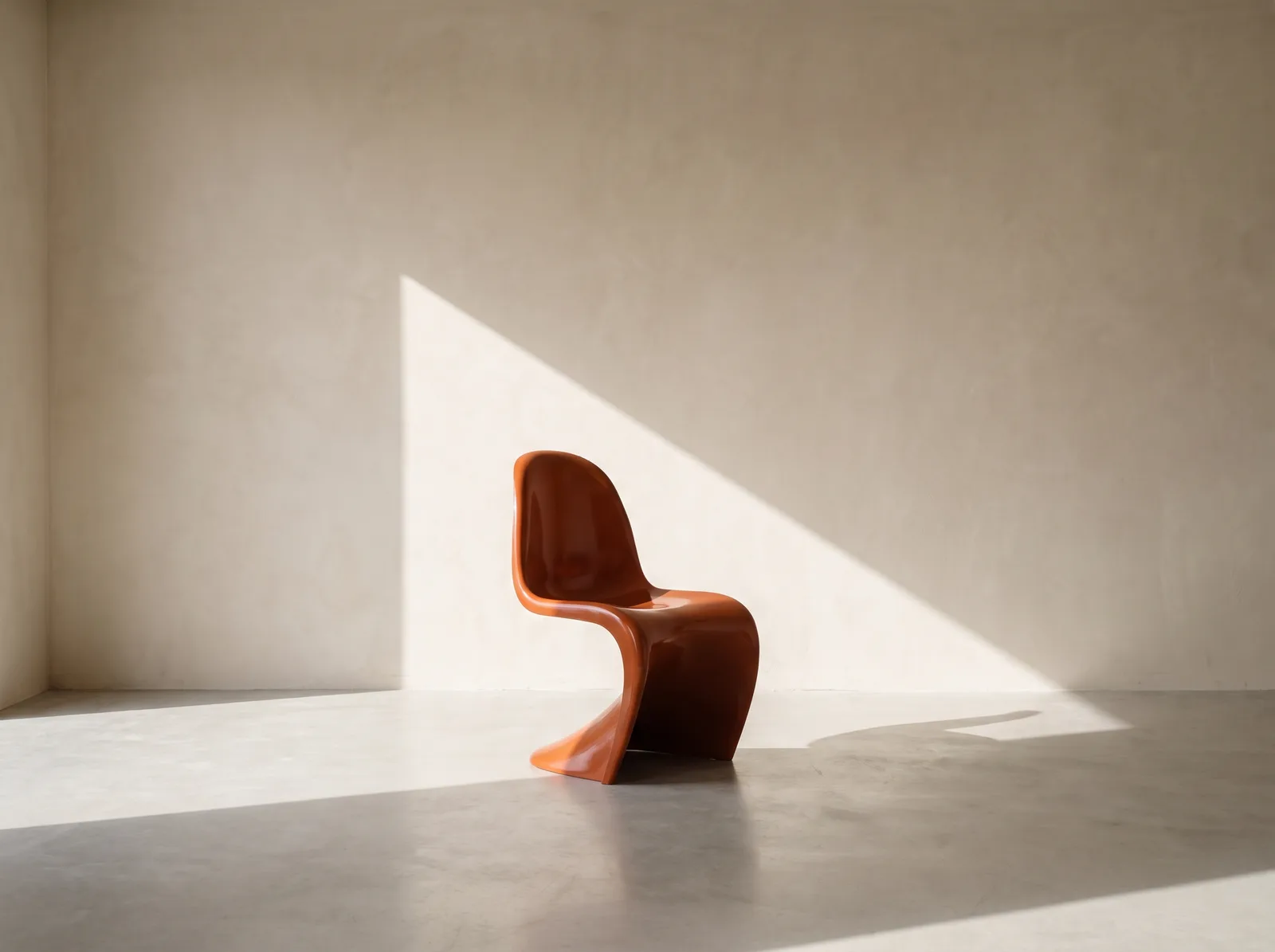
Verner Panton and Vitra developed a chair whose back, seat and base flow into one another. Production began in 1967, followed by changes in material and process. The S-curve remains recognisable, while the properties of individual editions need separate checking.
Platner Wire Chair
Warren Platner, 1966
Steel rods draw a rounded seating volume.
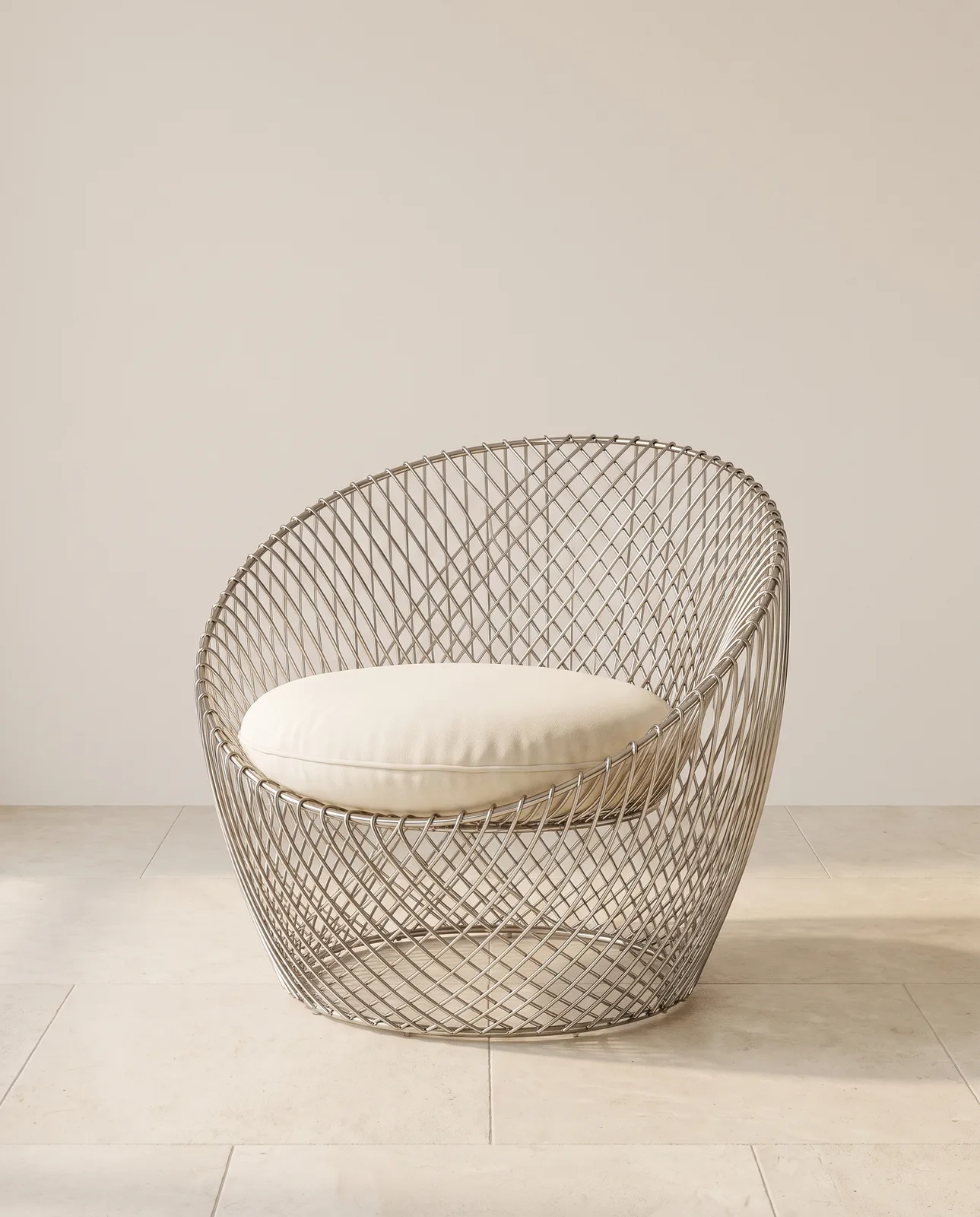
Warren Platner formed a rounded body from connected steel rods and added upholstery where it supports the sitter. The lines overlap differently as you move past. A solid table or plain rug offers a useful counterpoint to that changing pattern.
Ball Chair
Eero Aarnio, 1963
A sphere becomes a room within the room.
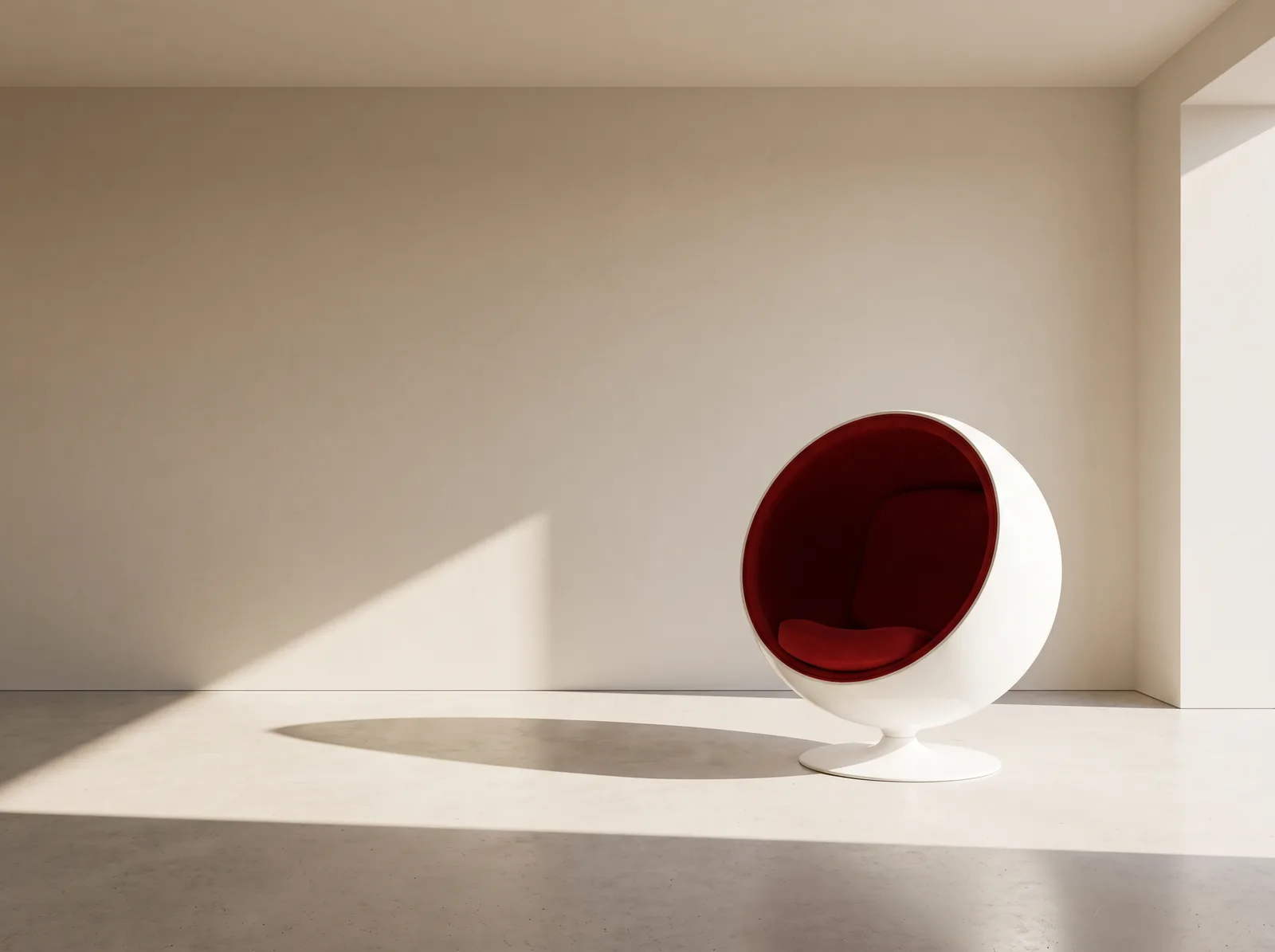
Eero Aarnio turned a cutaway sphere into an upholstered seat with a distinct interior. Designed in 1963 and presented internationally in 1966, the Ball Chair gives the sitter a different view of the room. It needs clearance for entering and rotating, not just its circular footprint.
Diamond Chair
Harry Bertoia
A seat defined by an open wire grid.
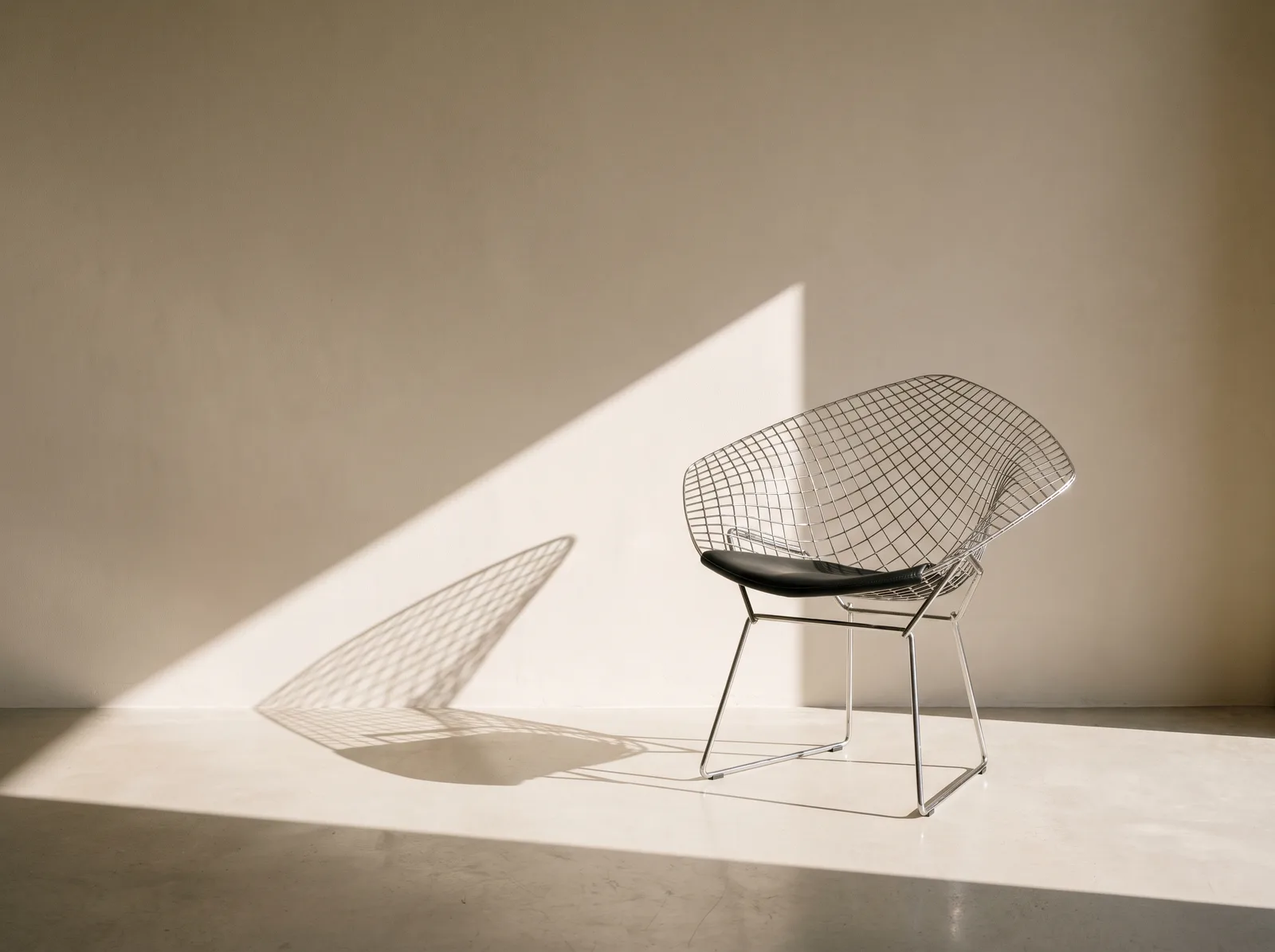
Harry Bertoia shaped a welded wire grid into a broad shell for Knoll. Light passes through the seat and throws the pattern onto surrounding surfaces. Upholstery changes its transparency and comfort, while the flared sides need more space than the open structure may suggest.
What makes a chair a design classic?
A familiar name explains only part of its appeal.
Often, a clear design idea matters more.
That idea might lie in the structure, the use of a material or a different approach to comfort.
The chairs here show how varied those starting points can be.
Wassily makes tubular steel part of the visible design.
Cesca combines a cantilever frame with timber and cane.
Barcelona uses proportion, leather and metal to create its presence.
Womb makes space for varied sitting positions.
The Eames shell works with different bases.
Superleggera explores lightweight timber construction.
Panton joins back, seat and base in one curve.
Ball creates an enclosed seat within the room.
Diamond defines a surface with an open wire grid.
Those differences are useful when furnishing a room.
Which shape works with the pieces you already have?
Which materials would you enjoy using every day?
And do you actually find the chair comfortable?
Explore more furniture history
The Ateliology archive looks at designers, materials and furniture types in more detail. Explore the individual portraits to place familiar forms in context and discover less familiar pieces.
Explore Iconic Furniture on Ateliology →