Back to overview
Welsh Dresser
18th century (Georgian Era)

Welsh Dresser

Traditionelles walisisch-englisches HandwerkRegional joinery workshops, Wales/England

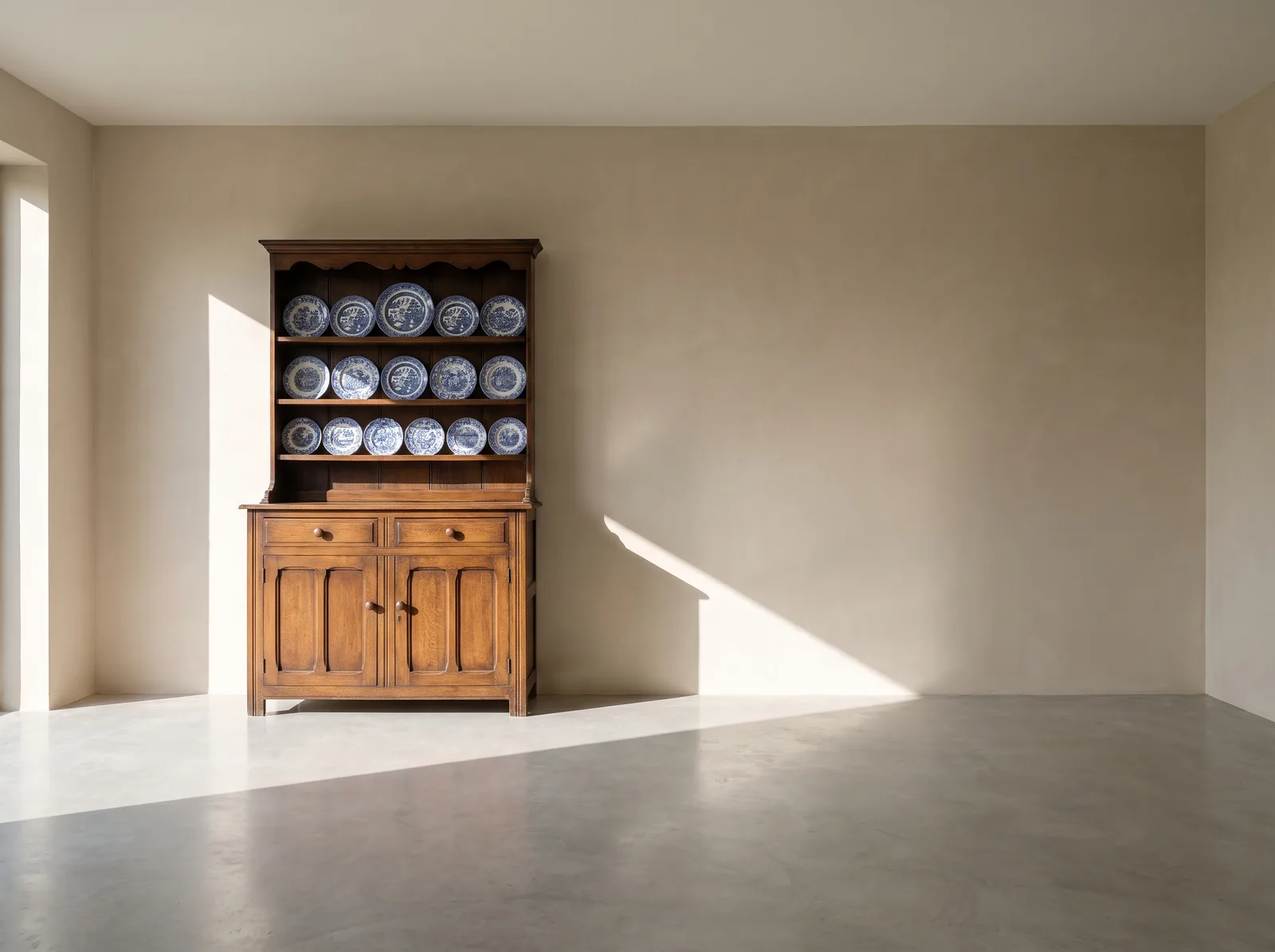
A closed cupboard base topped with open shelves for displaying the best china — since the 18th century, the Welsh Dresser has combined practical storage need with the pride of showing off tableware rather than hiding it.

More Than a Cabinet

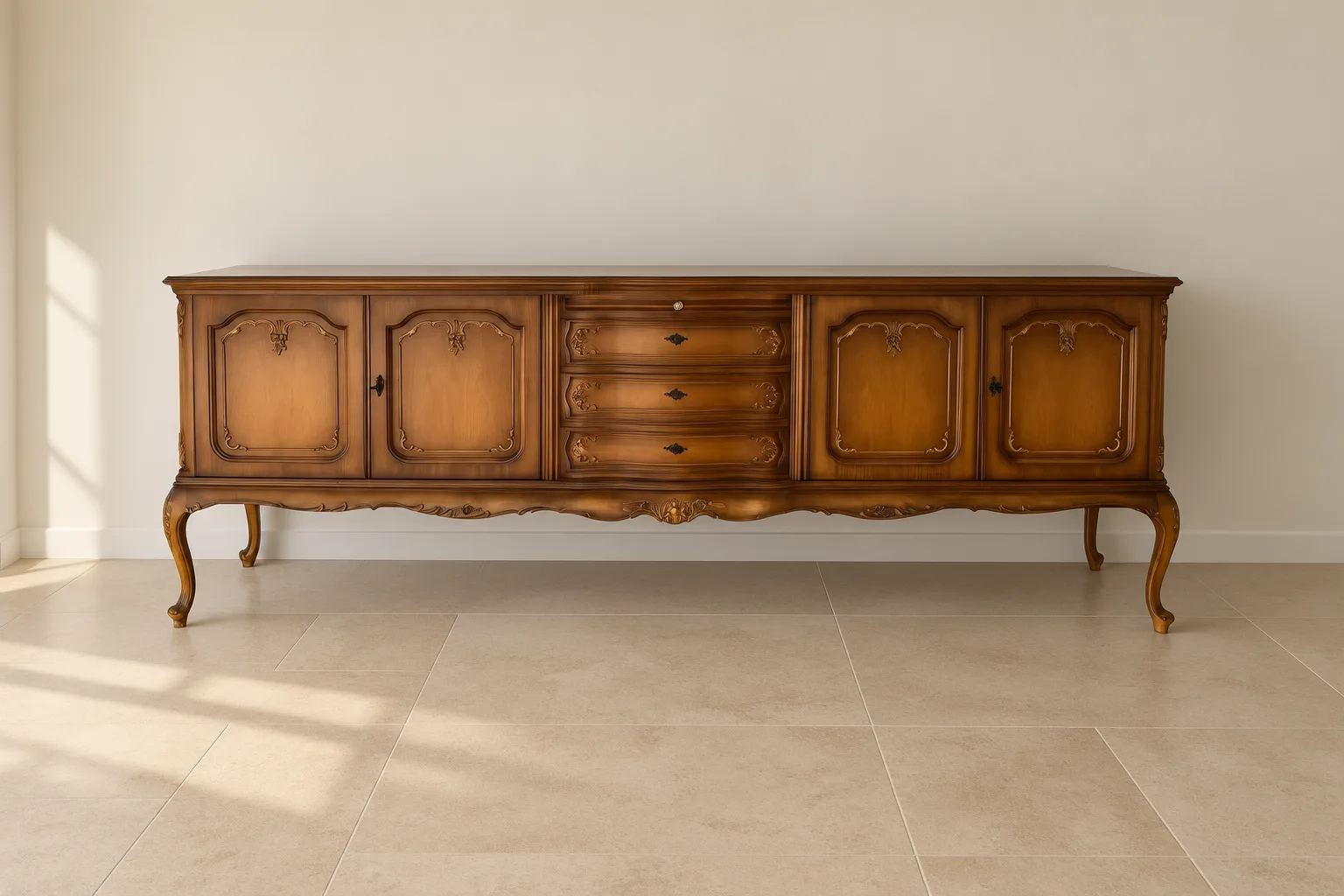
The Welsh Dresser is one of the most characteristic pieces of furniture in the British country-house tradition: a solid cupboard base with drawers and doors, topped with open shelves where plates, jugs, and bowls are displayed upright. Unlike closed display cabinets, the Welsh Dresser deliberately makes one's tableware visible — a gesture born of practical necessity, but still felt as warm and inviting today.

From Welsh Farmhouses to the Whole World

The Welsh Dresser originates in rural Welsh and English households of the 17th and 18th centuries, where kitchen and living space often shared the same room. The piece served simultaneously as storage, work surface, and display for what was often a family's most prized possession: their china or earthenware, frequently passed down through generations. Unlike many design icons, no single designer or moment of invention can be named — the Welsh Dresser evolved over generations out of regional joinery tradition.

Built From Oak, Made for Generations

Traditionally, the Welsh Dresser is made from solid oak — a material valued for its durability and abundantly available in the heavily forested regions of Wales and Western England. The characteristic open shelves are often fitted with a narrow rail, which stops plates from sliding off during minor jolts — a practical detail born from decades of actual use rather than drawn up at a design desk.

Regional Variants With Their Own Signature

Over the centuries, distinct regional variants of the dresser developed across Wales and England, differing in proportions, ornamentation, and the number of shelves — from the plainer Welsh versions to more elaborately decorated variants from Lancashire or Yorkshire. This regional diversity makes the Welsh Dresser a rare example of a single furniture concept being locally refined across generations without ever losing its basic function.

From Farmhouse Furniture to Country-Style Symbol

In the 20th century, the Welsh Dresser evolved from a purely functional kitchen piece into a deliberate style element of what became known as "Country Style" or "Farmhouse Style," which intentionally integrates rural, handcrafted aesthetics into modern living concepts. Original antique pieces are now traded as collector's items, while numerous manufacturers serve the look with new interpretations.

A Statement for Traditional and Vintage

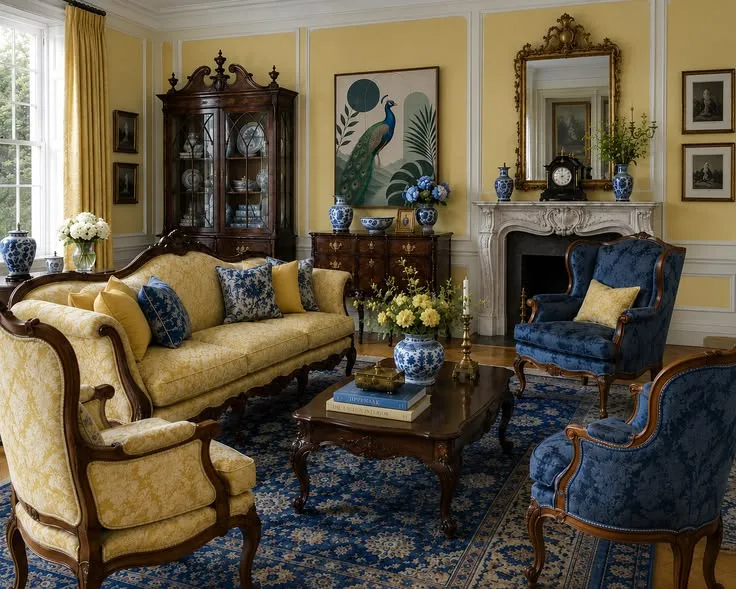
The Welsh Dresser naturally fits into traditionally styled kitchens and dining rooms, where it functions as an authentic heirloom piece, as well as into Vintage interiors that deliberately favor collected, time-grown furnishings. In both contexts, its appeal lies in making history and use visible rather than hiding them.

The Welsh Dresser in Today's Interiors

Styled with a curated selection of tableware — rather than every available plate — the Welsh Dresser feels especially coherent today. A deliberately edited, color-coordinated collection on the open shelves keeps the piece from feeling overloaded, while the closed cupboard base provides room for less decorative everyday items.

Ateliology Style Verdict

The Welsh Dresser proves that a piece of furniture doesn't need a single designer's name to become a lasting icon, when generations of craftspeople keep refining the same core idea. More than 300 years after its rural beginnings, it remains a symbol of showing off your home and your tableware with pride. That is exactly what makes the Welsh Dresser a genuine style piece.