Sheepskin Rugs: Natural Texture, Warmth and Care
Scandinavia, Australia, New Zealand
A sheepskin rug adds natural texture and warmth with an irregular shape. Learn what to check, how to place one and how to care for it.
More Than a Rug — a Natural Product
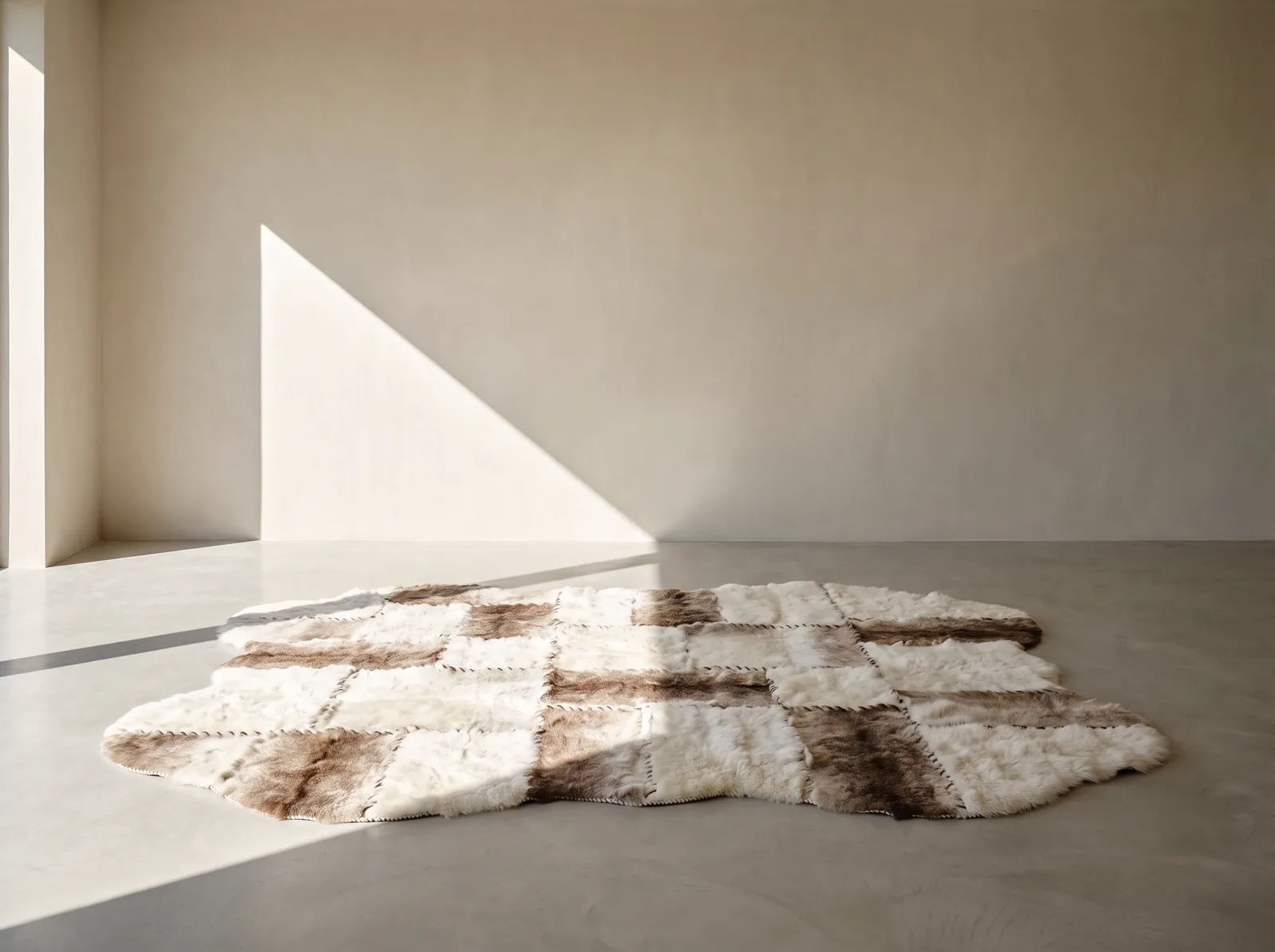
The sheepskin rug differs fundamentally from every other rug type in this overview: it isn't woven or knotted, but consists of the tanned, natural hide of the animal itself. This direct materiality — with no intervening weaving technique at all — makes it one of the most primal floor coverings in existence, and explains its still-unmatched tactile softness.
Older Than Any Weaving Technique
Animal hides were likely among the very first floor coverings in human history, long before looms or knotting techniques were invented. Archaeological finds document the use of sheep and other animal hides as floor covering and clothing as far back as the Stone Age — direct evidence that humans recognized the warming properties of fur long before learning to process fibers into textiles.
Scandinavian Tradition and Modern Tanning
Especially in Scandinavia, where long, cold winters create a year-round need for warmth, the use of sheepskins as floor coverings and seat cushions has been firmly established for centuries. The modern tanning industry, particularly in Australia and New Zealand with their large sheep populations, significantly professionalized processing in the 20th century, enabling consistently soft, durable, and odor-neutral hides for the global market.
Natural Hide Meets Patchwork Technique
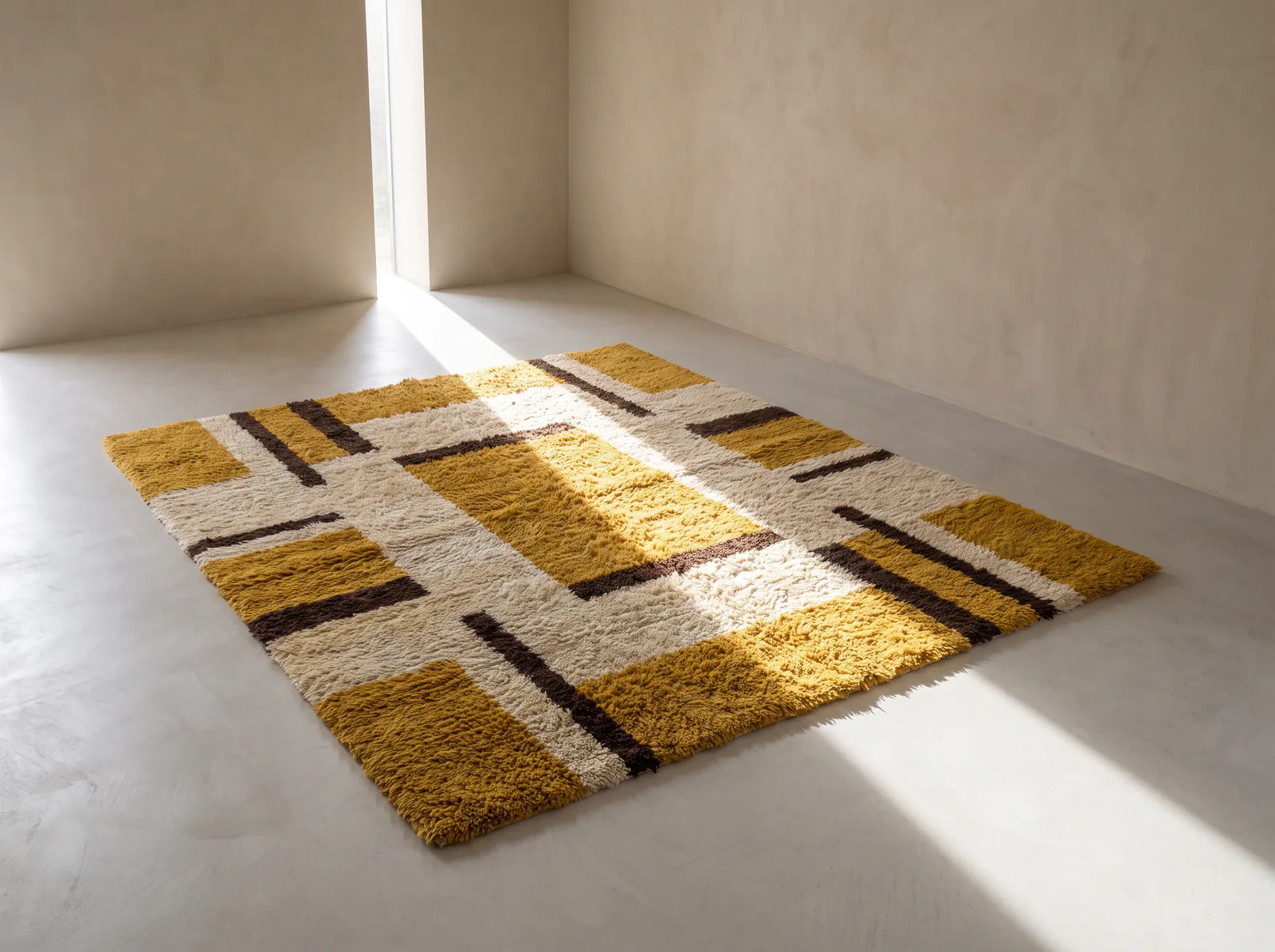
Alongside single, untreated hides, a patchwork variant has become established, in which several smaller pieces of hide are sewn together into a larger, often geometrically patterned rug. This technique uses offcuts more efficiently, allows for larger formats than a single hide, and enables patterned designs through the combination of different natural tones — from cream white to beige to dark brown.
From Utility Object to Interior Statement
What was once pure necessity increasingly became a deliberate design element in Scandinavian and later international interiors during the 20th century. Particularly in Mid-Century Modern design, sheepskin became a fixture of many living concepts, often draped over a classic armchair or placed as a soft accent on a hard floor.
A Statement for Modern Organic, Japandi, and Vintage
The sheepskin rug naturally fits into Modern Organic interiors, where its raw, natural character underscores the style's material language, as well as into Japandi rooms, whose appreciation for genuine natural material is directly reflected here, and into Vintage interiors, evoking Scandinavian Mid-Century living rooms.
The Sheepskin Rug in Today's Interiors
Draped over a chair or armchair, sheepskin transforms even hard seating into an inviting spot. As a small floor runner in front of the bed, it provides a soft, warm first step in the morning. Regular shaking out and occasional professional cleaning keep the hide's fullness intact for years.
Ateliology Style Verdict
The sheepskin rug proves that humanity's oldest floor covering still holds its own in the most modern interior. With no loom or knot at all, it delivers a tactile warmth no other rug type matches. That is exactly what makes the sheepskin rug a genuine style piece.
More rug styles
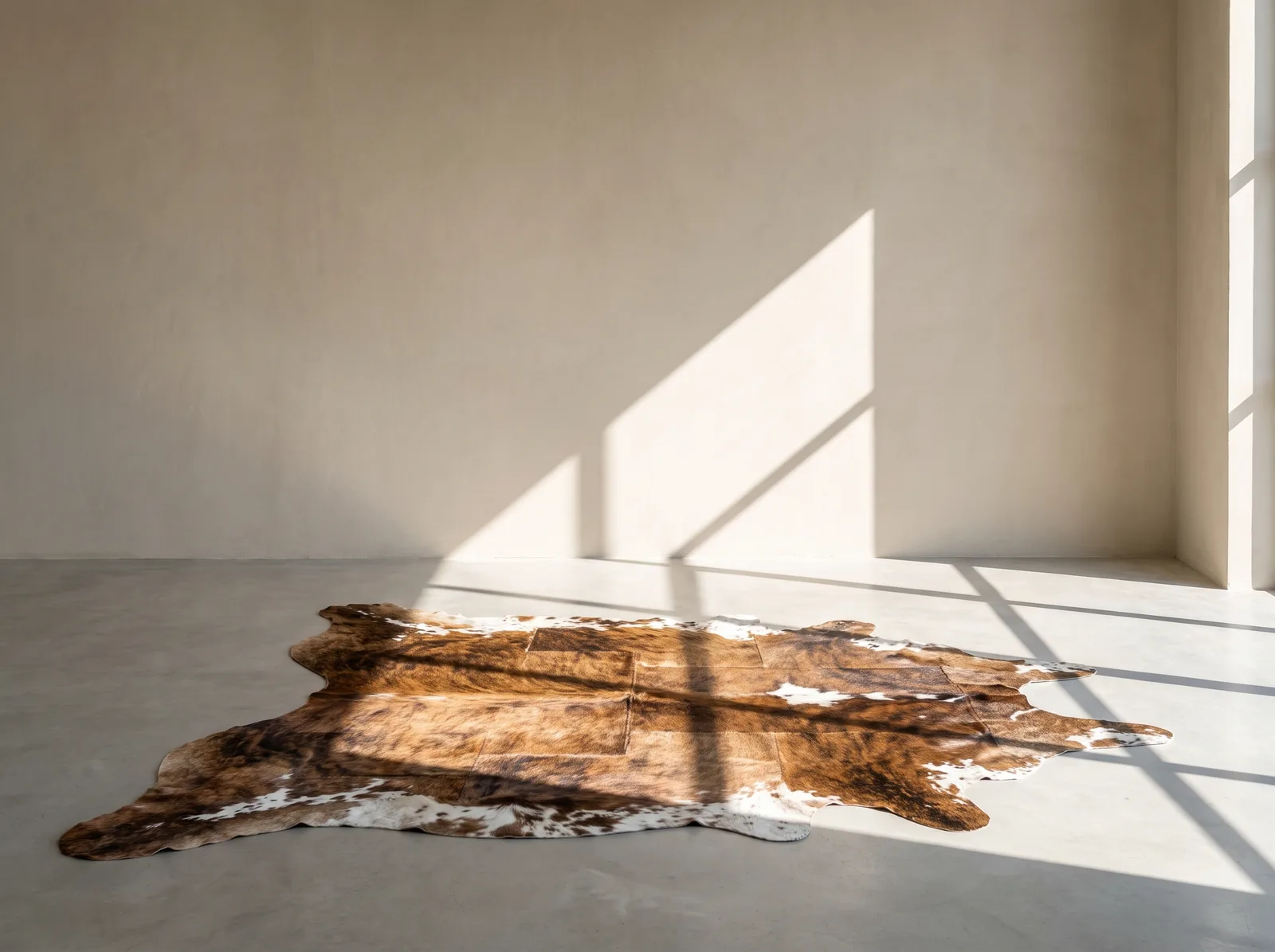 South America, Europe (processing)Cowhide Rug
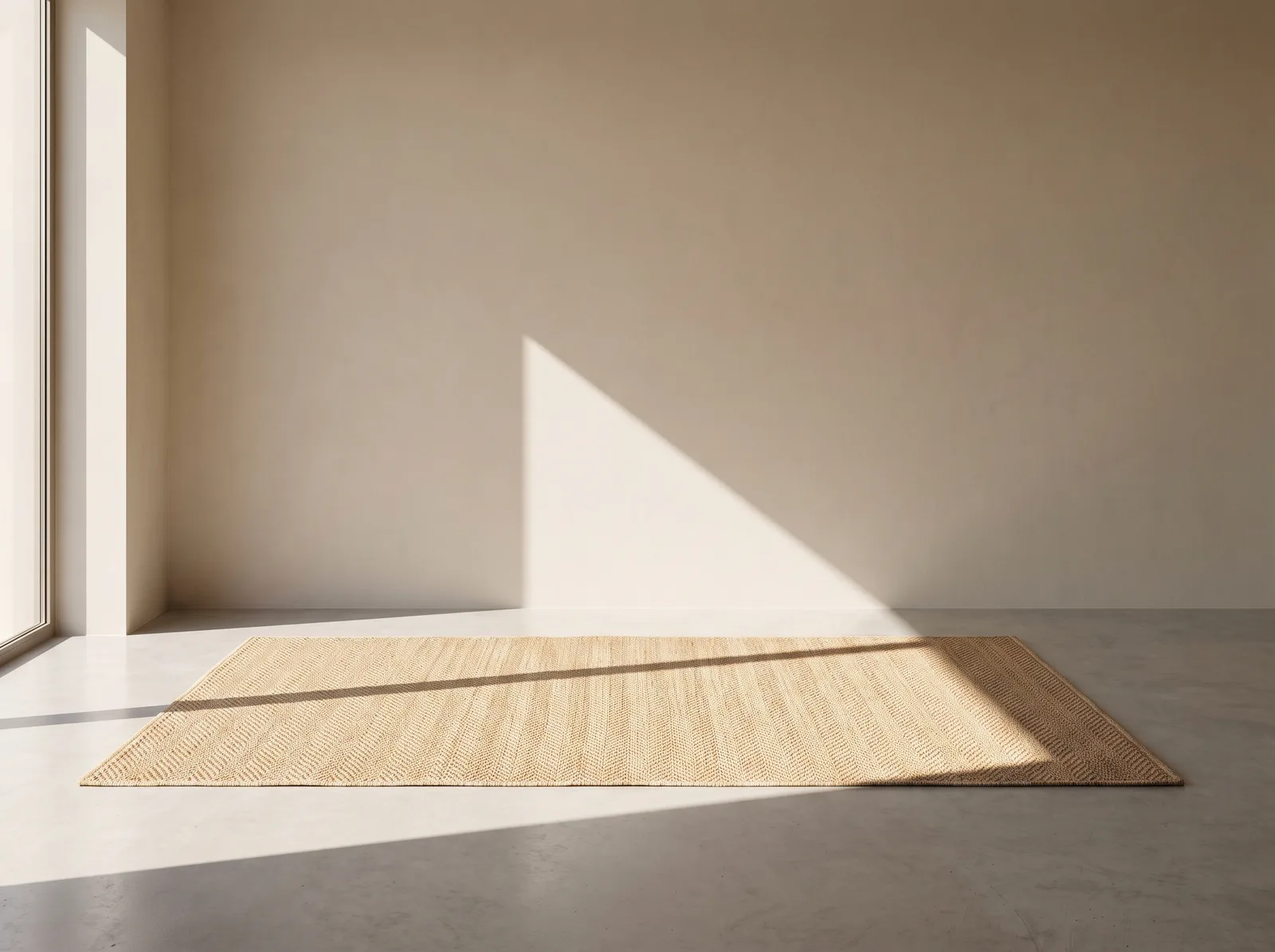 Mexico (origin), East Africa (main cultivation)Sisal Rug
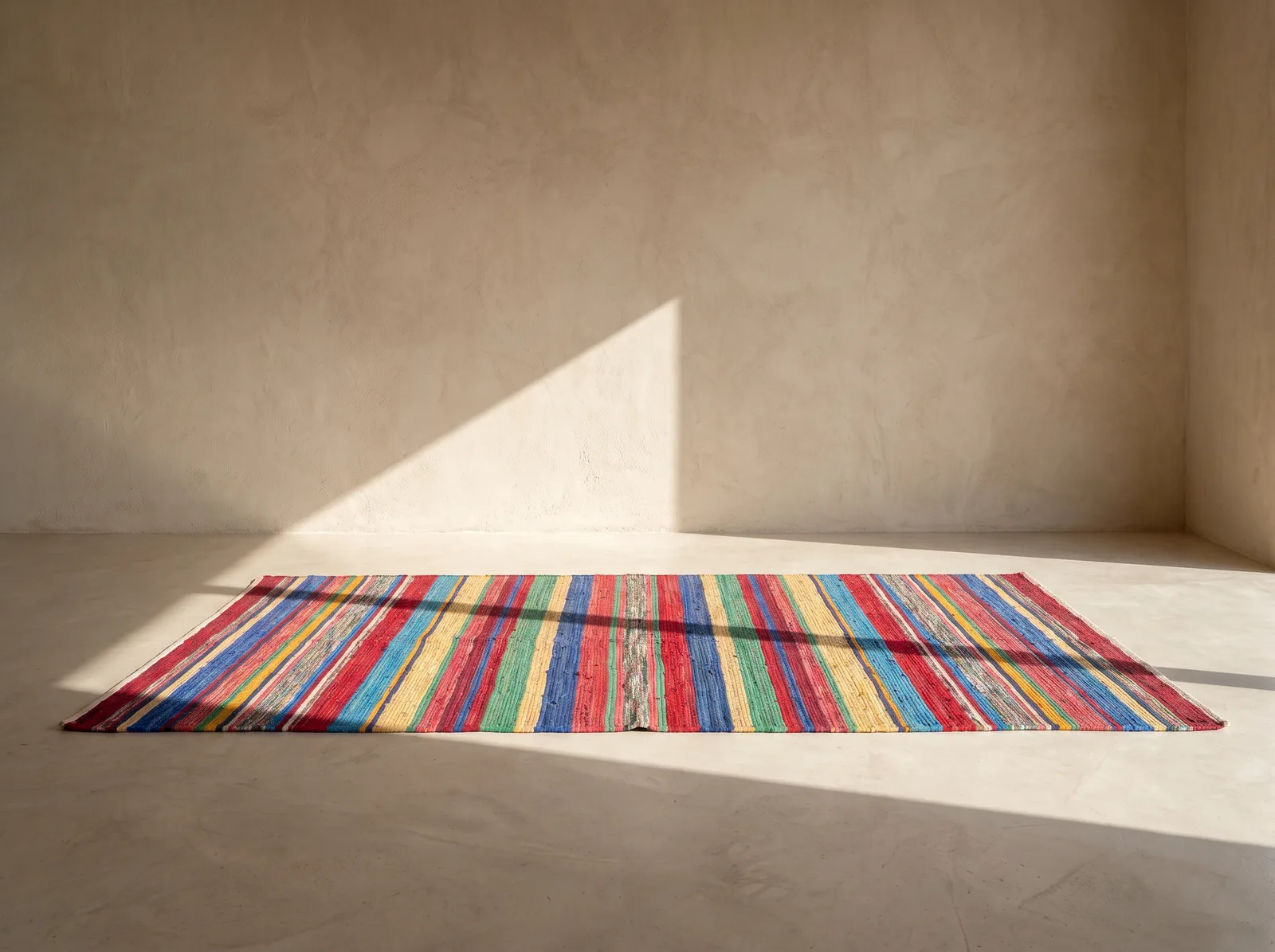 North America and ScandinaviaRag Rug
 Scandinavia (Finland, Sweden)Rya Rug