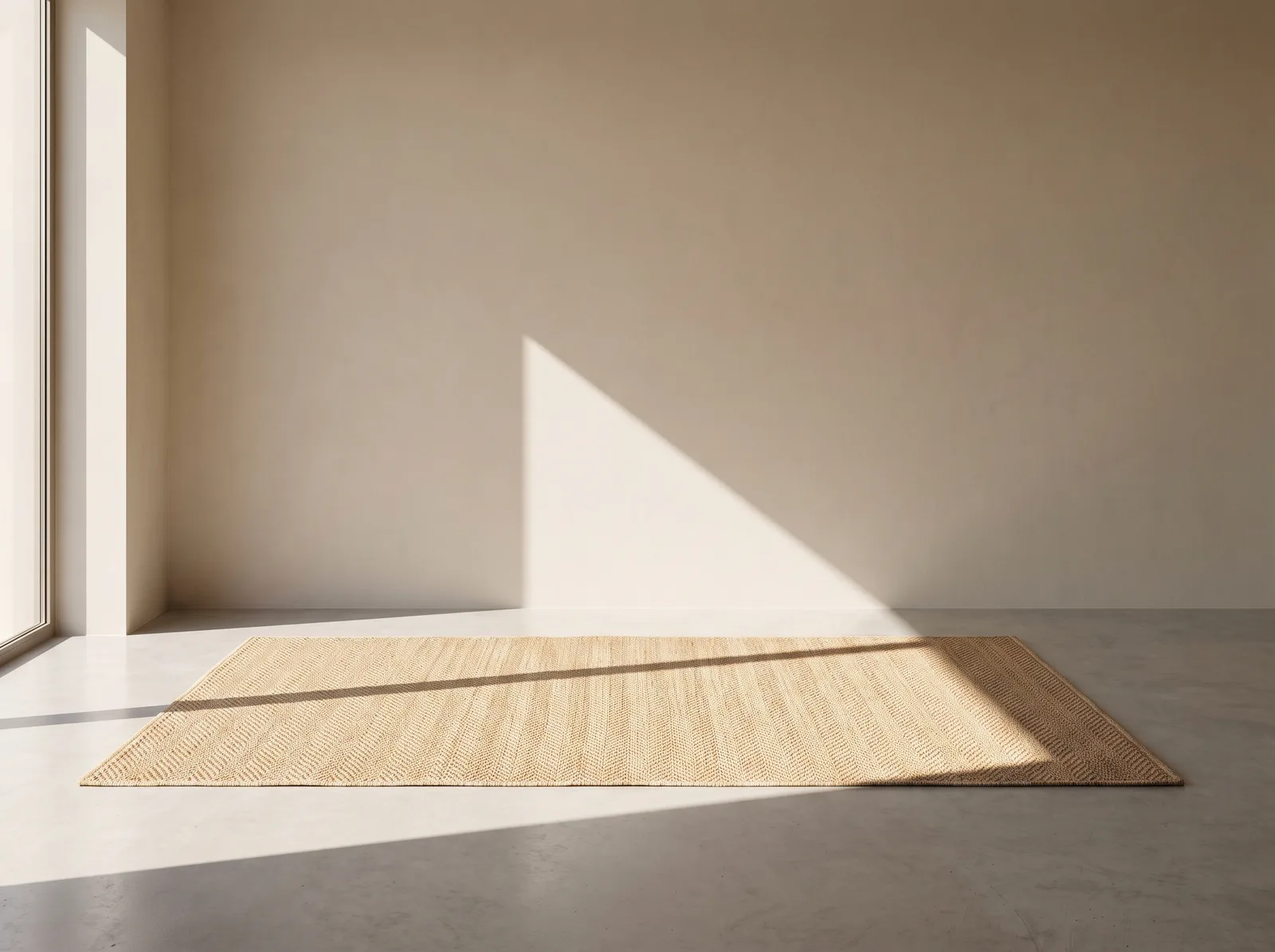
Sisal Rugs: Plant Fibre, Texture and Everyday Use
Mexico (origin), East Africa (main cultivation)
Sisal brings a firm, natural texture to the floor. Explore the fibre, its practical limits and rooms where a structured, neutral rug fits well.
More Than a Natural-Fiber Rug
The sisal rug is among the most durable, and at the same time most understated, rug types there is. Its firm, slightly rough weave in warm sand and natural tones never feels intrusive, instead fitting into nearly any room concept as a calm, textural base — a quality that has made the sisal rug one of the best-selling natural-fiber rugs in the world.
From the Leaves of a Mexican Agave
Sisal is extracted from the long, spiky leaves of the agave sisalana plant, originally native to Mexico, and it takes its name from the Mexican port of Sisal, through which the fiber was first exported at scale in the 19th century. The resilient fibers inside the leaves are mechanically extracted, cleaned, and dried before they can be spun into yarn.
From the Shipping Industry to the Living Room
Originally, sisal was primarily used for ship ropes, cordage, and packaging material, since the fiber is exceptionally tear-resistant and saltwater-resistant. It wasn't until the 20th century, as synthetic materials replaced many of these industrial applications, that the interior design industry discovered sisal as a residential floor covering — a second career that continues today.
East Africa as Today's Cultivation Center
Although the plant originally comes from Mexico, most of the world's sisal is now grown in East African countries like Tanzania and Kenya, where the agave was introduced by German colonial authorities in the late 19th century. The local climate proved ideal for cultivation, and East Africa developed into one of the world's most important production centers for sisal fiber.
Durable, but High-Maintenance
Sisal is exceptionally hard-wearing and therefore well-suited to high-traffic areas, but it's sensitive to moisture, which can cause discoloration or mold growth. This property makes the sisal rug ideal for dry living spaces but less suited to bathrooms or moisture-prone basements — an important practical consideration when choosing where to place it.
A Statement for Japandi and Modern Organic
The sisal rug naturally fits into Japandi interiors, where its pared-back, natural texture underscores the style's material philosophy, as well as into Modern Organic rooms, whose nature-driven aesthetic is reflected in the fiber itself.
The Sisal Rug in Today's Interiors
As a large-format rug in living rooms or studies, sisal provides a calm, texture-rich foundation that works with nearly any furniture color. Combined with a smaller, patterned rug layered on top, it also achieves the popular "rug layering" look.
Ateliology Style Verdict
The sisal rug proves that a rugged plant fiber, originally intended for shipping, can become one of the most popular natural floor coverings. Its understated texture stays timeless, regardless of shifting interior trends. That is exactly what makes the sisal rug a genuine style piece.
More rug styles
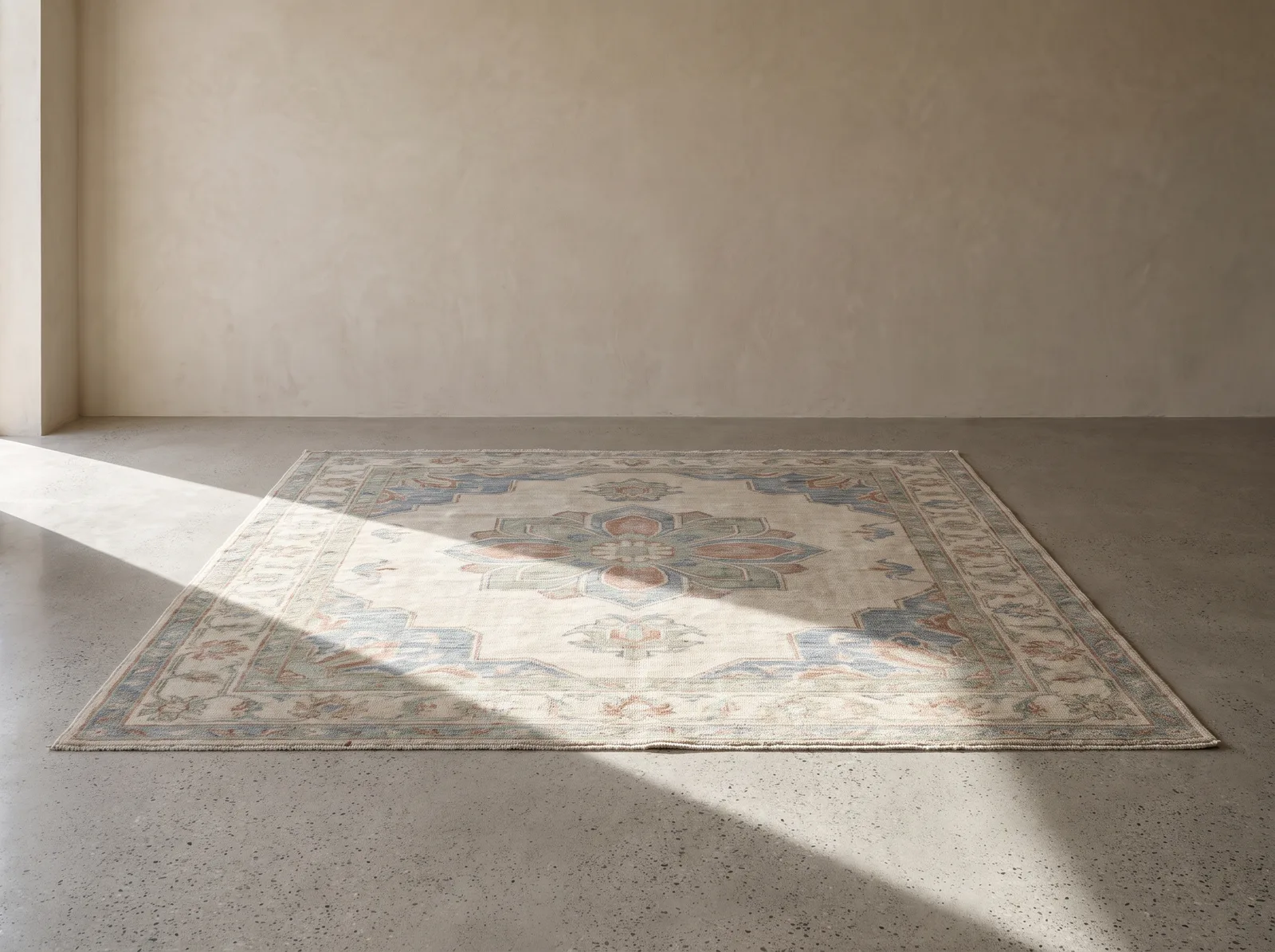 Tibetan PlateauTibetan Rug
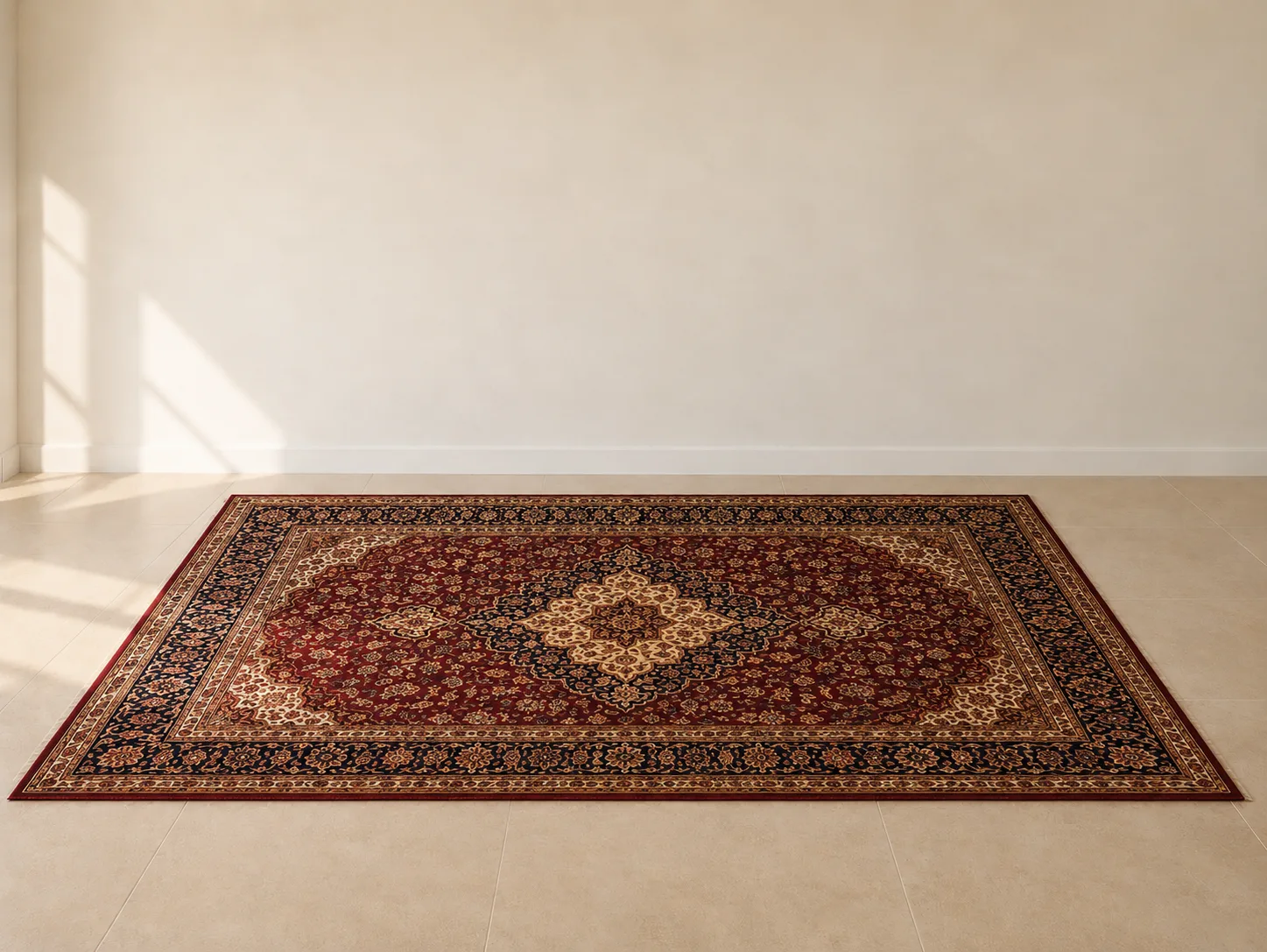 Iran (Persia)Persian Rug
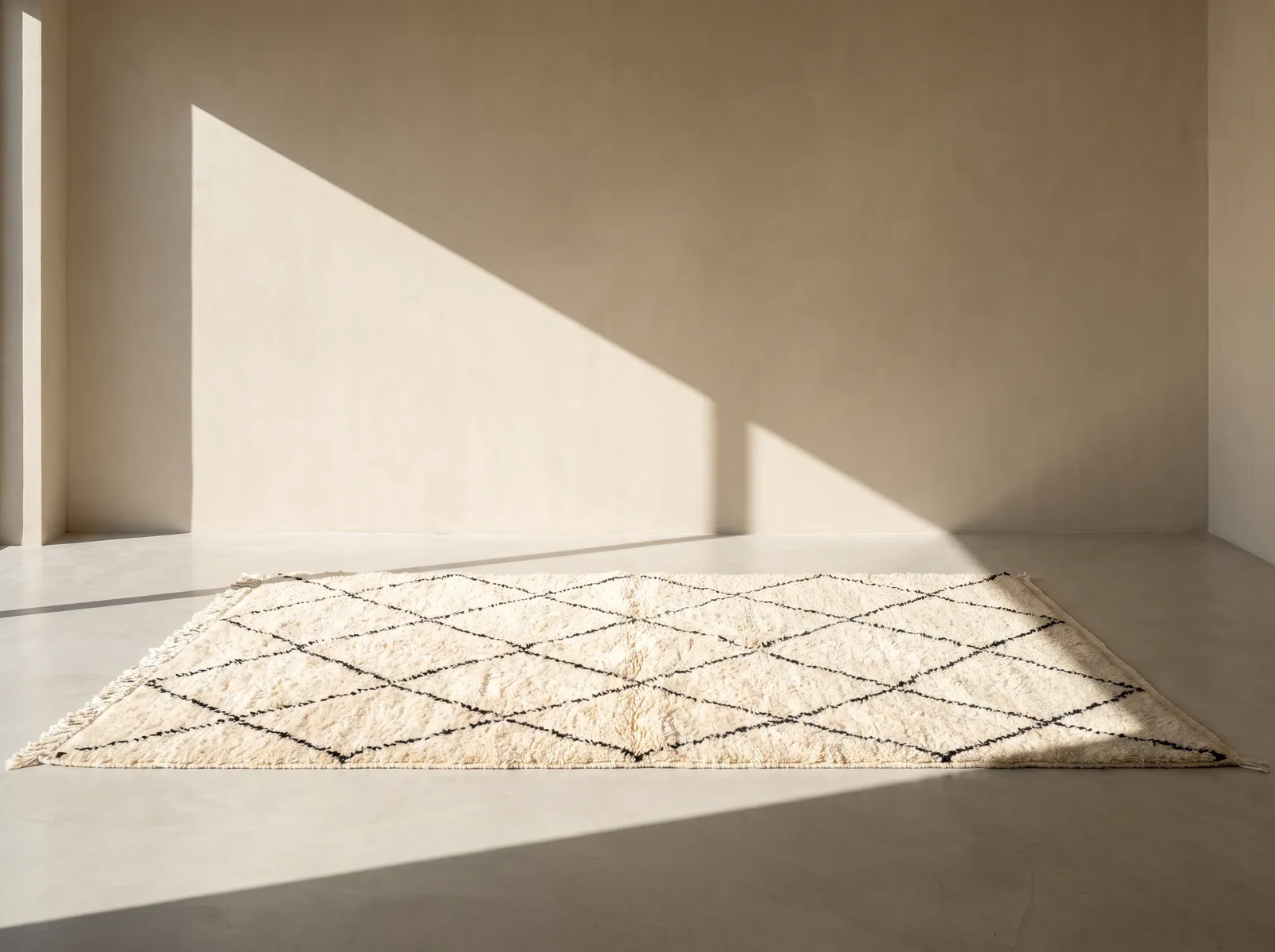 Atlas Mountains, Morocco (Amazigh/Berber tribes)Moroccan Berber Rug
 Scandinavia, Australia, New ZealandSheepskin Rug