Aalto Savoy Vase
Alvar Aalto — Iittala, Finland
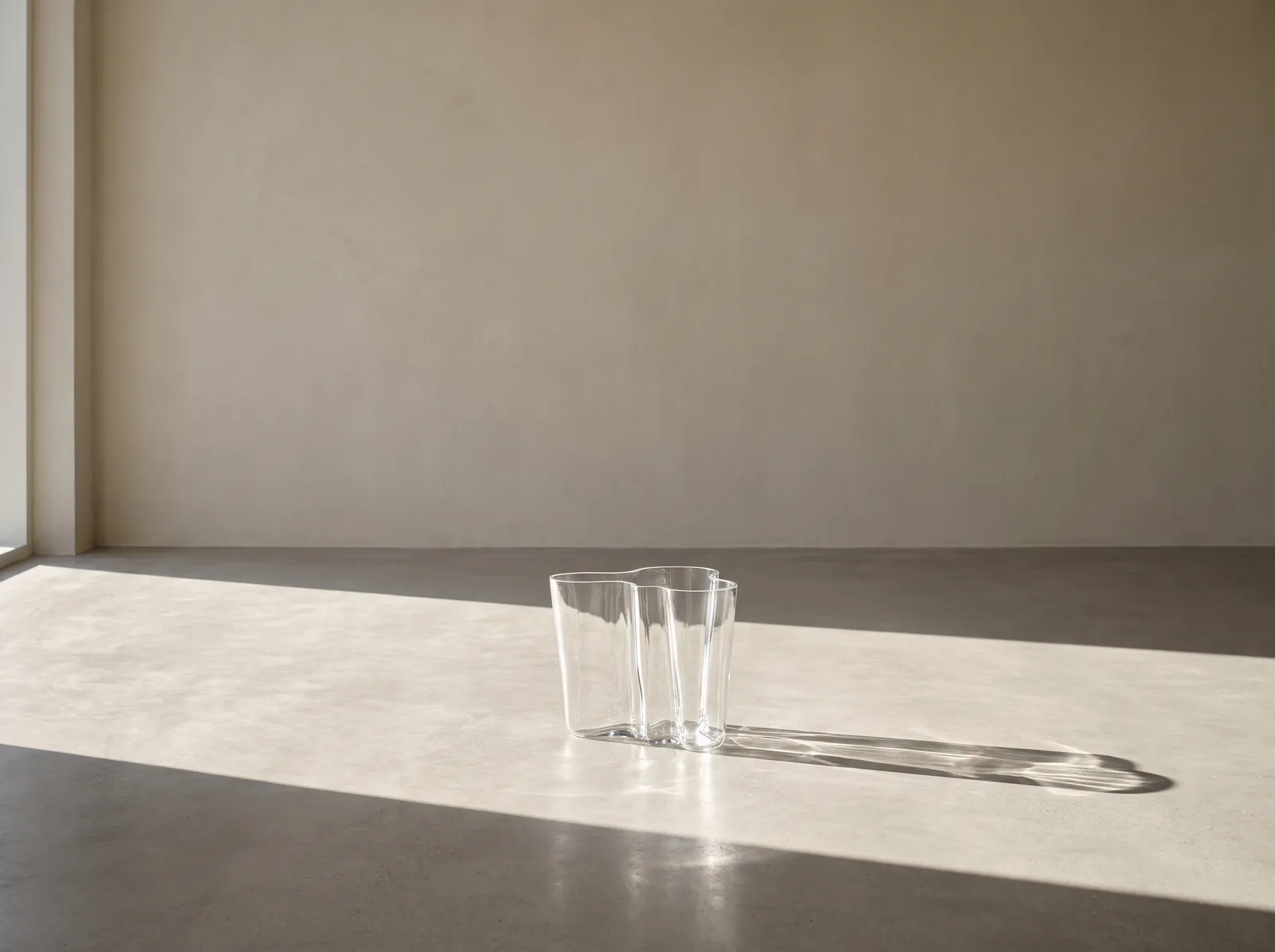
A curving contour reminiscent of a Finnish lakeshore, mouth-blown so that no two pieces are ever exactly alike — since 1936, Alvar Aalto's Savoy vase has been one of the most influential glass objects in design history.
More Than a Vase
The Savoy vase is made from a single, irregularly curving contour that winds around a glass vessel like a drawn line. Unlike the geometric glass objects of its time, it deliberately abandons symmetry, taking on an organic, almost landscape-like form instead — a radical break from the conventions of 1930s glasswork.
Born From an Architecture Competition
Finnish architect and designer Alvar Aalto designed the vase in 1936, originally titled "Eskimoerindens skinnbuxa" (The Eskimo Woman's Leather Trousers), for a glass design competition held by the Finnish glassworks Karhula-Iittala, which he won. The design was originally intended for the Savoy restaurant in Helsinki, also designed by Aalto — hence the name still used today.
Inspired by Finnish Lakeshores
The vase's curving, irregular shape is often associated with the Finnish lake landscape, whose meandering shorelines fascinated Aalto throughout his life. This organic form language was a defining feature of Aalto's entire architectural and design body of work, standing in deliberate contrast to the geometric rigor of international functionalism at the time.
Mouth-Blown Glass, No Two Pieces Alike
To this day, every Savoy vase is mouth-blown by hand into a shaped wooden mold, and the natural behavior of the hot glass means no two vases ever turn out exactly identical. This handcrafted production requires experienced glassblowers and makes every single vase a one-of-a-kind piece within the series — a deliberate contrast to the industrial mass production of many other design icons of its era.
A Symbol of Finnish National Pride
The Savoy vase is now considered one of the best-known symbols of Finnish design and was celebrated internationally shortly after its introduction at the 1937 Paris World's Fair. It's part of the collections of major design museums worldwide and continues to be produced by Iittala today in numerous sizes and color variants, from clear glass to bold greens and blues.
A Statement for Modern Organic and Japandi
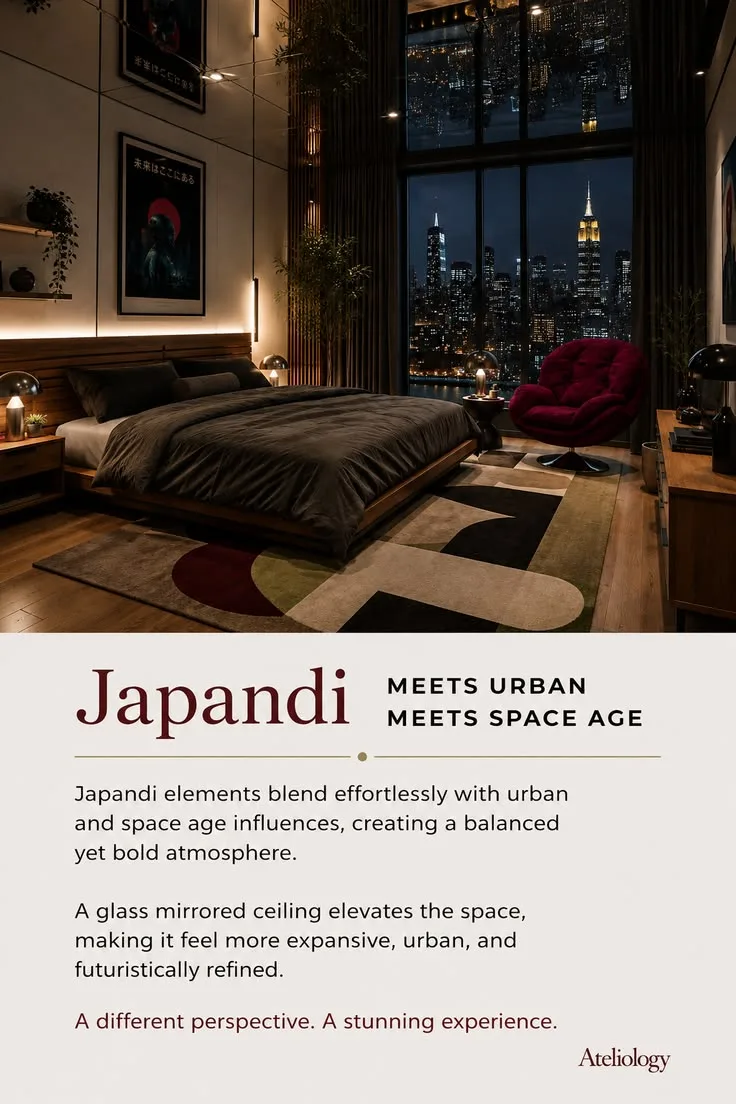
The Savoy vase naturally fits into Modern Organic rooms, where its curving contour directly echoes the style's nature-inspired form language, as well as into Japandi interiors, whose appreciation for handcrafted individual pieces is reflected in every vase's mouth-blown production.
The Savoy Vase in Today's Interiors
As a standalone object on a side table or sideboard, the Savoy vase shows its full sculptural effect without any flowers or additional decor. When filled with flowers, its irregular contour particularly emphasizes the natural, effortless character of a bouquet.
Ateliology Style Verdict
The Savoy vase proves that a single, irregular glass object can become a lasting national symbol when craft and form language come together perfectly. Nearly ninety years after its creation, it remains one of the most influential glass designs in existence. That is exactly what makes the Savoy vase a genuine style piece.