Back to overview
Camaleonda Sofa
1970 (Italian Design / 1970s Postmodern)

Camaleonda Sofa

Mario BelliniB&B Italia, Italy

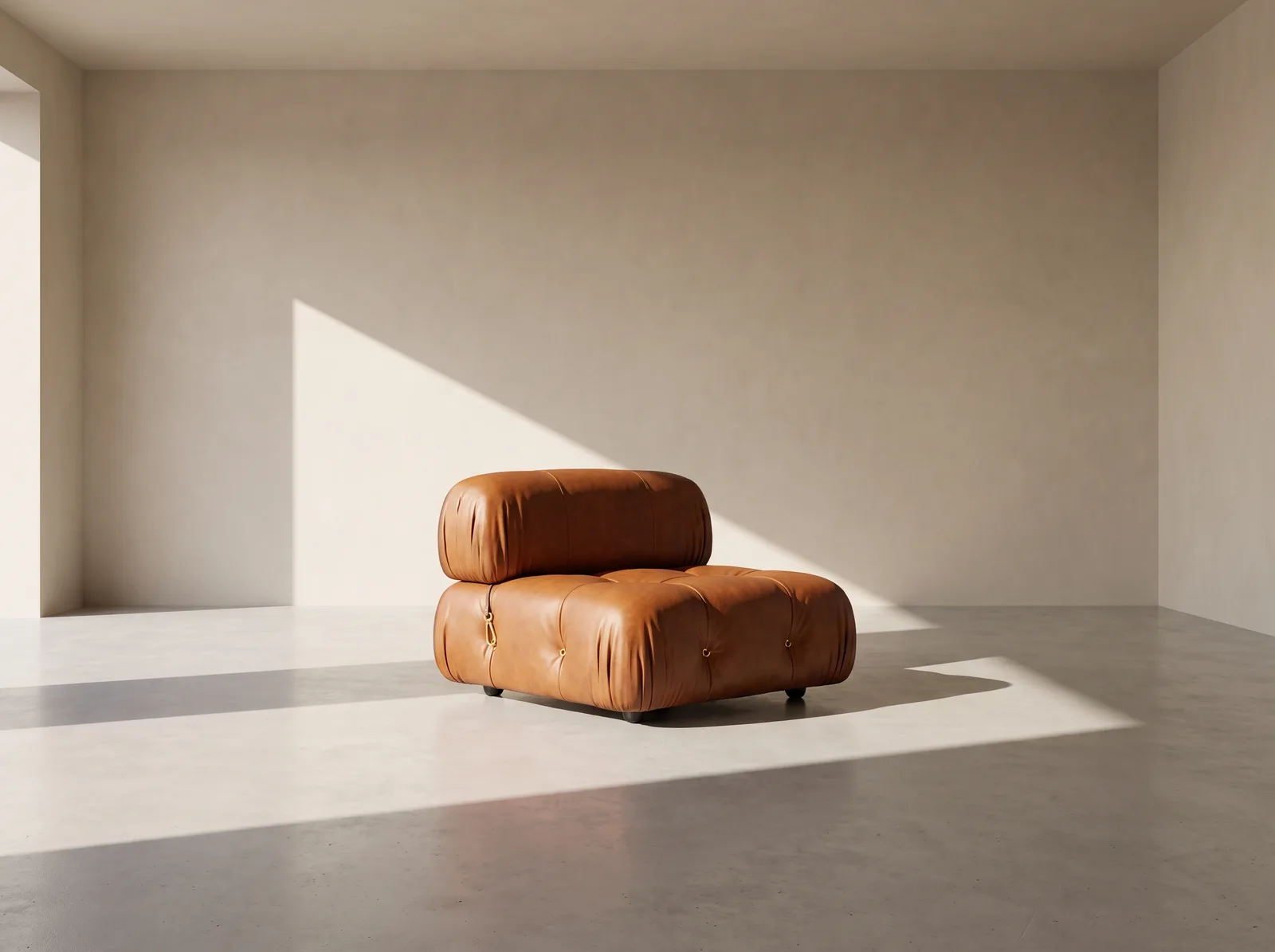
Deeply tufted upholstered modules that link into endless new shapes through exposed brass hooks — in 1970, Mario Bellini's Camaleonda sofa turned modularity itself into a visible design statement.

More Than a Sofa

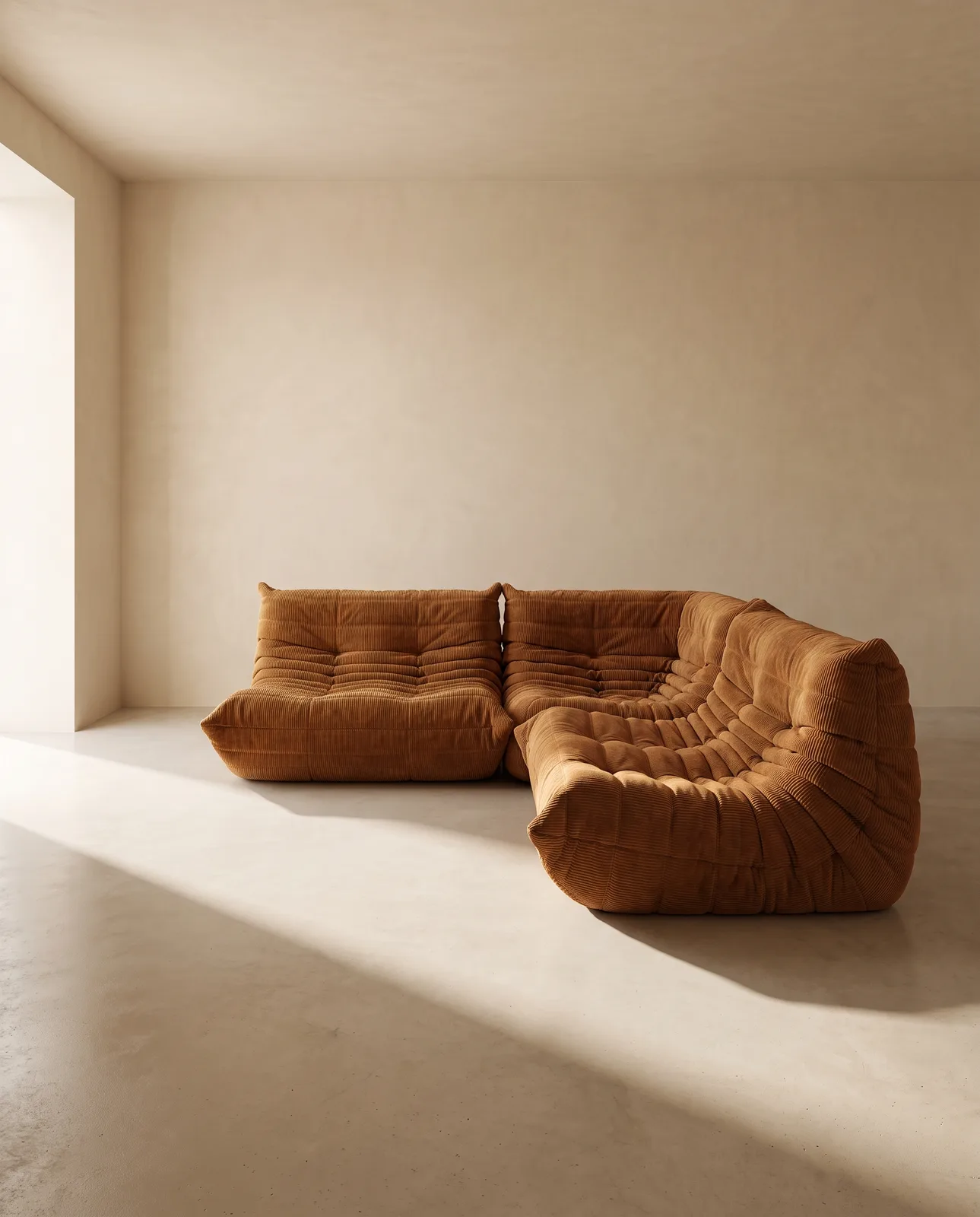
Even the name reveals the concept: "Camaleonda" fuses the Italian words for chameleon and wave, describing a sofa that can literally change its shape. Instead of a fixed footprint, the Camaleonda consists of individual, identically upholstered modules that can be freely assembled into new configurations — from a compact armchair to a room-filling seating landscape.

Mario Bellini and 1970s Italian Design

Mario Bellini, one of the most influential Italian designers of the post-war era, designed the Camaleonda in 1970 for B&B Italia (then still C&B Italia), during a period when the Italian furniture industry was systematically experimenting with new upholstery techniques and synthetic foams. Bellini, who worked as both an architect and an industrial designer, brought that dual perspective to the design: the sofa was meant to be comfortable, but also conceived spatially.

Visible Connections Instead of Hidden Mechanics

Constructively, each Camaleonda module consists of a steel frame with cold foam upholstery, finished on the outside with a distinctive, deep button-tufted pattern. The individual modules connect to one another via visible brass hooks and buckles along the sides — a deliberate break from the convention of hiding connecting elements. This openly displayed construction turns a purely functional detail into a design statement.

The Modular Kit as a Design Philosophy

The Camaleonda was one of the first sofa systems consistently designed around the modular kit principle, rather than offering modularity as a mere add-on option. Buyers could — and still can — freely decide how many modules to combine and in what arrangement, with no fixed armrests or backrests to constrain the shape. That radical openness was a clear break, in 1970, from the traditional idea of a sofa as a fixed, single piece of furniture.

A Design Icon With a Pause and a Comeback

After major initial success, Camaleonda production was discontinued for a period in the 1990s, before B&B Italia faithfully reissued the design in 2018 — evidence of how strongly taste has swung back toward modular, informal seating solutions. Since its reissue, the Camaleonda has been one of the most sought-after sofa icons in high-end interior design and is regularly featured in international design museums.

A Statement for Boho and Vintage

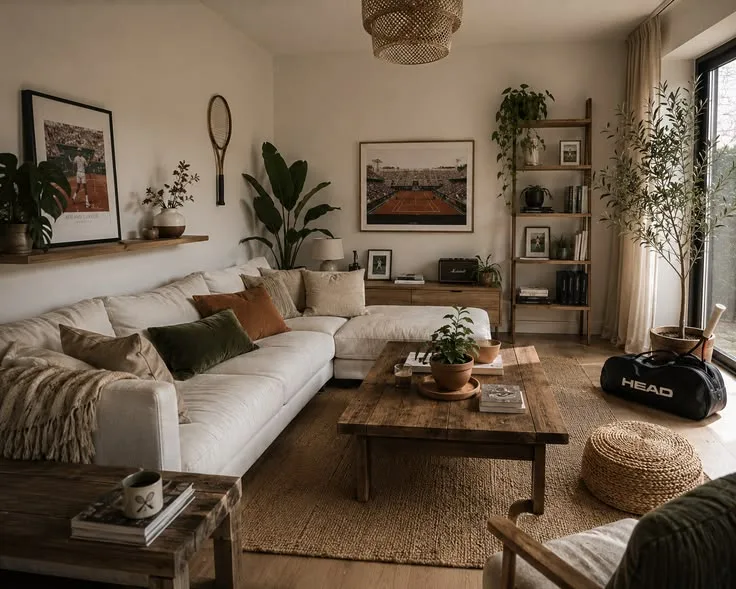
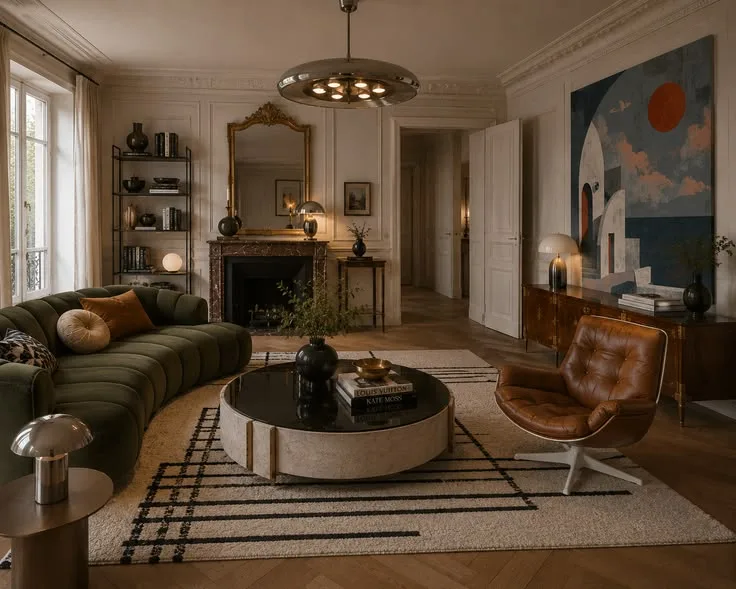
The Camaleonda naturally fits into Boho interiors, where its soft, rounded upholstery sets an inviting tone alongside rattan and warm earth tones, as well as into Vintage rooms that deliberately reference the 1970s. In both contexts, the appeal lies in the visible, almost sculptural upholstery, which gives the sofa a tactile, warm presence.

The Camaleonda in Today's Interiors

In open-plan living spaces, the Camaleonda can serve as a space-dividing seating island that's easy to reconfigure as needed — for larger gatherings, for example. In smaller rooms, a single module already works as an armchair, showcasing the characteristic tufting and brass details without overwhelming the space.

Ateliology Style Verdict

The Camaleonda sofa proved that modularity itself could become a design statement, rather than just a practical add-on feature. More than five decades after its introduction, it remains an object that uniquely combines adaptability with sculptural presence. That is exactly what makes the Camaleonda a genuine style piece.