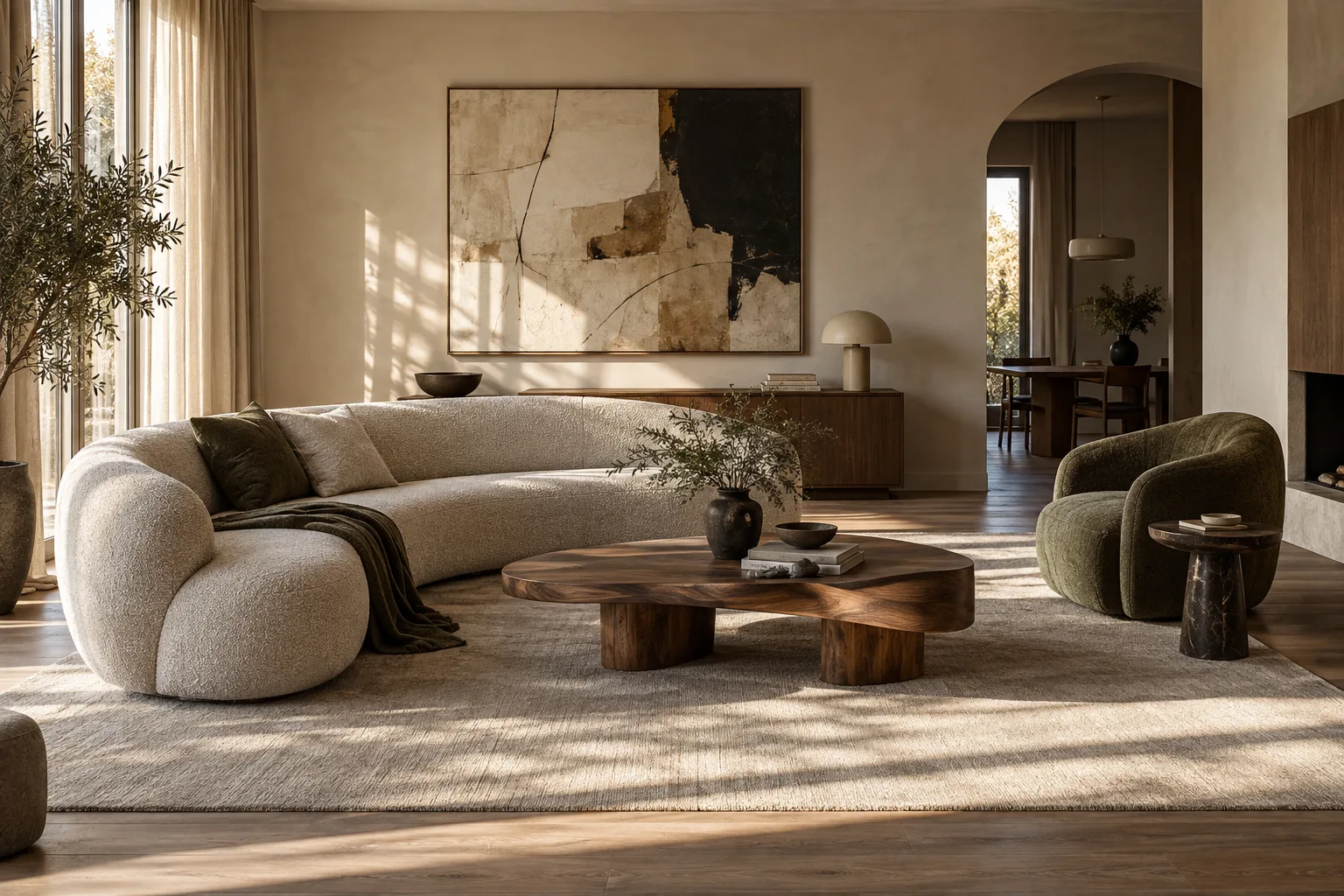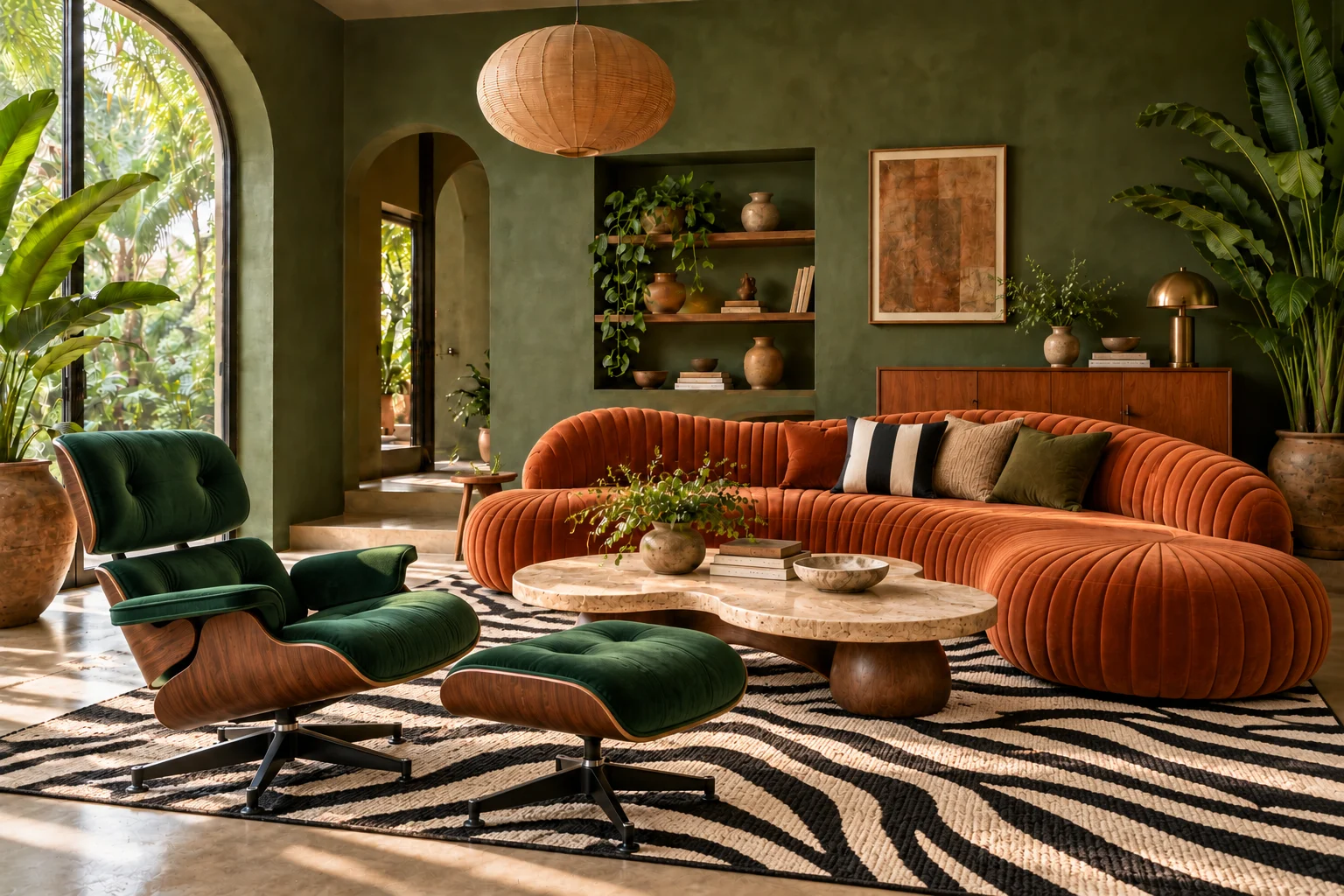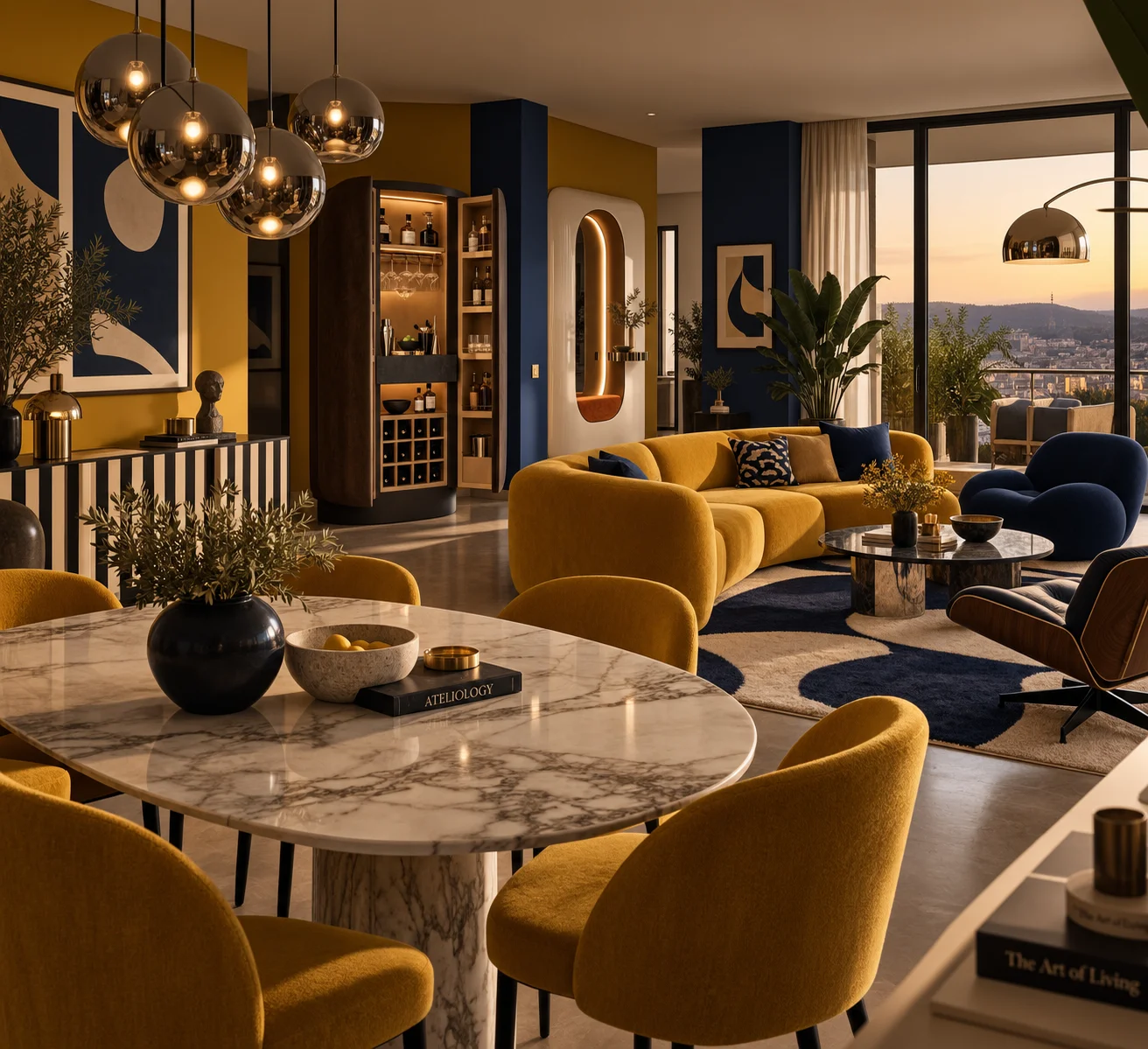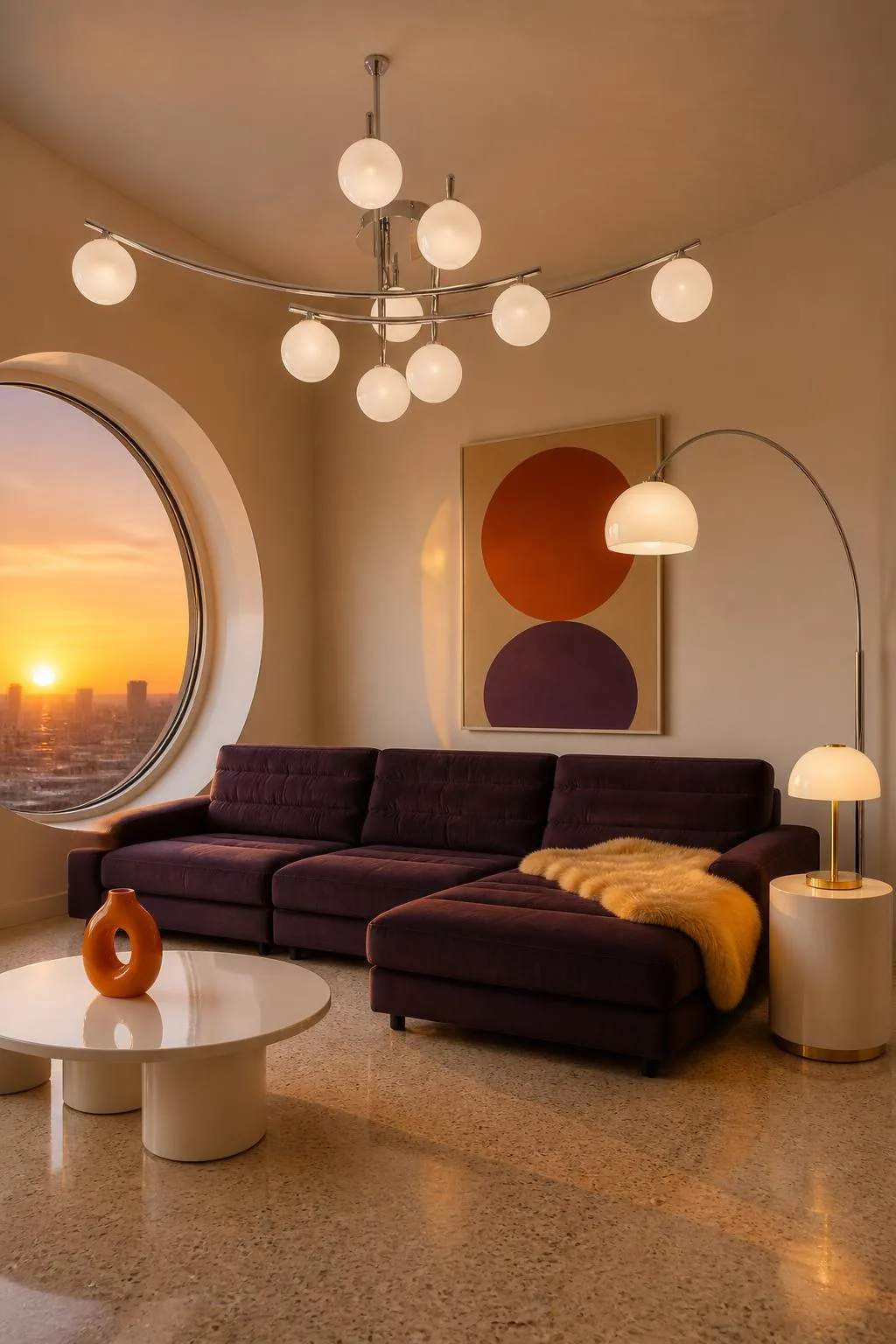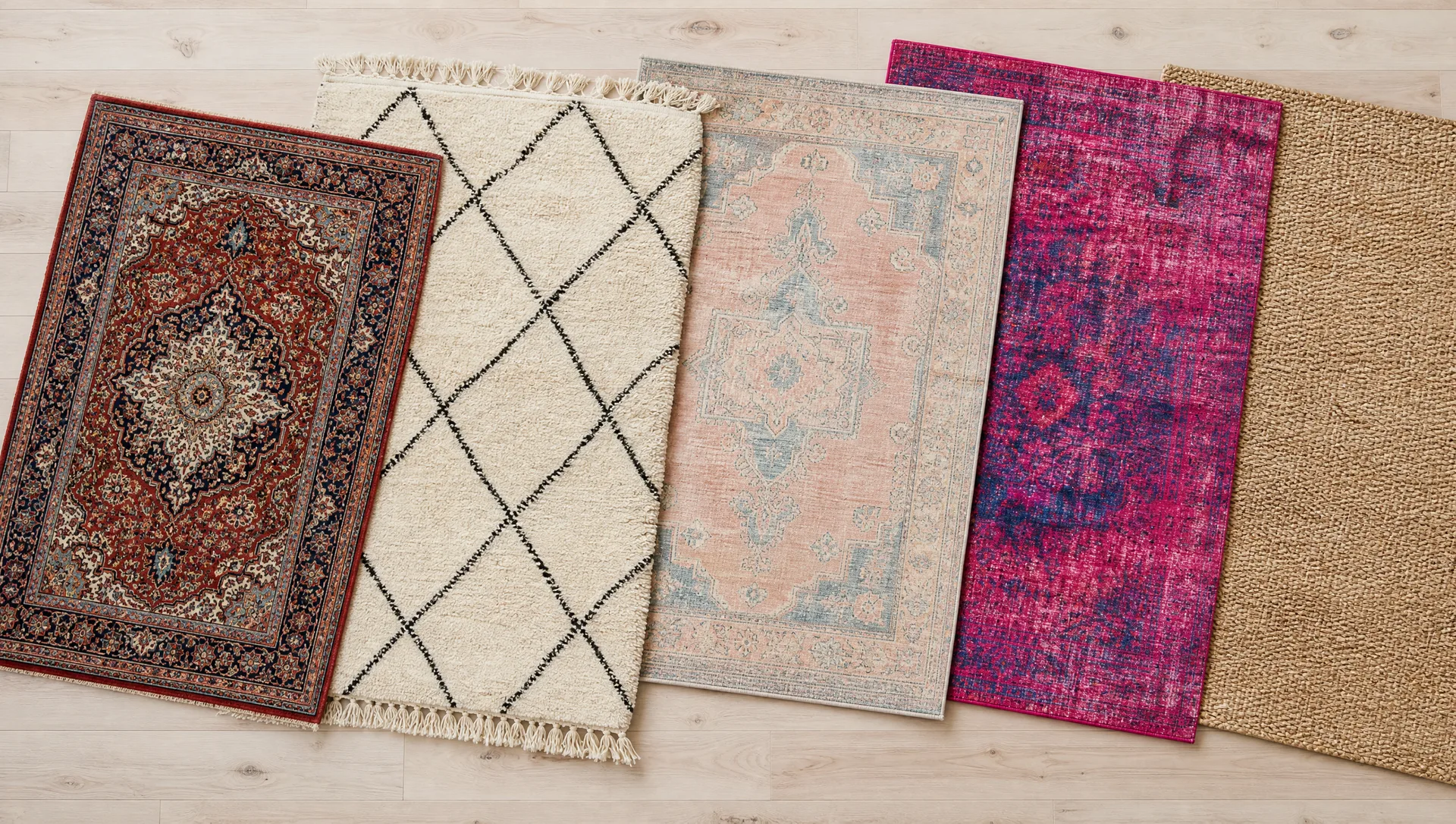
Rug Styles
The most timeless rug styles — their origin, their history, and why they still work in modern interiors.
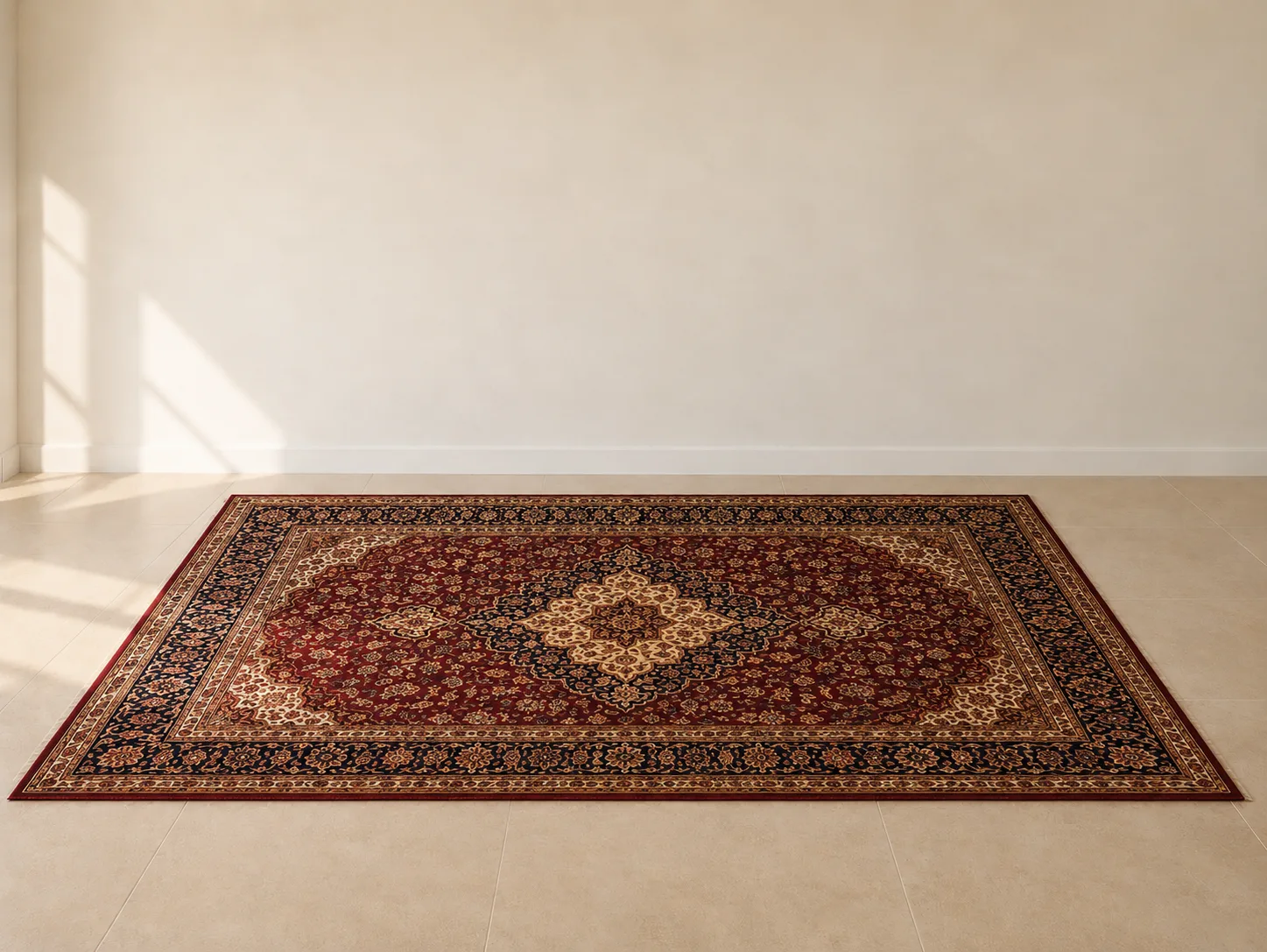
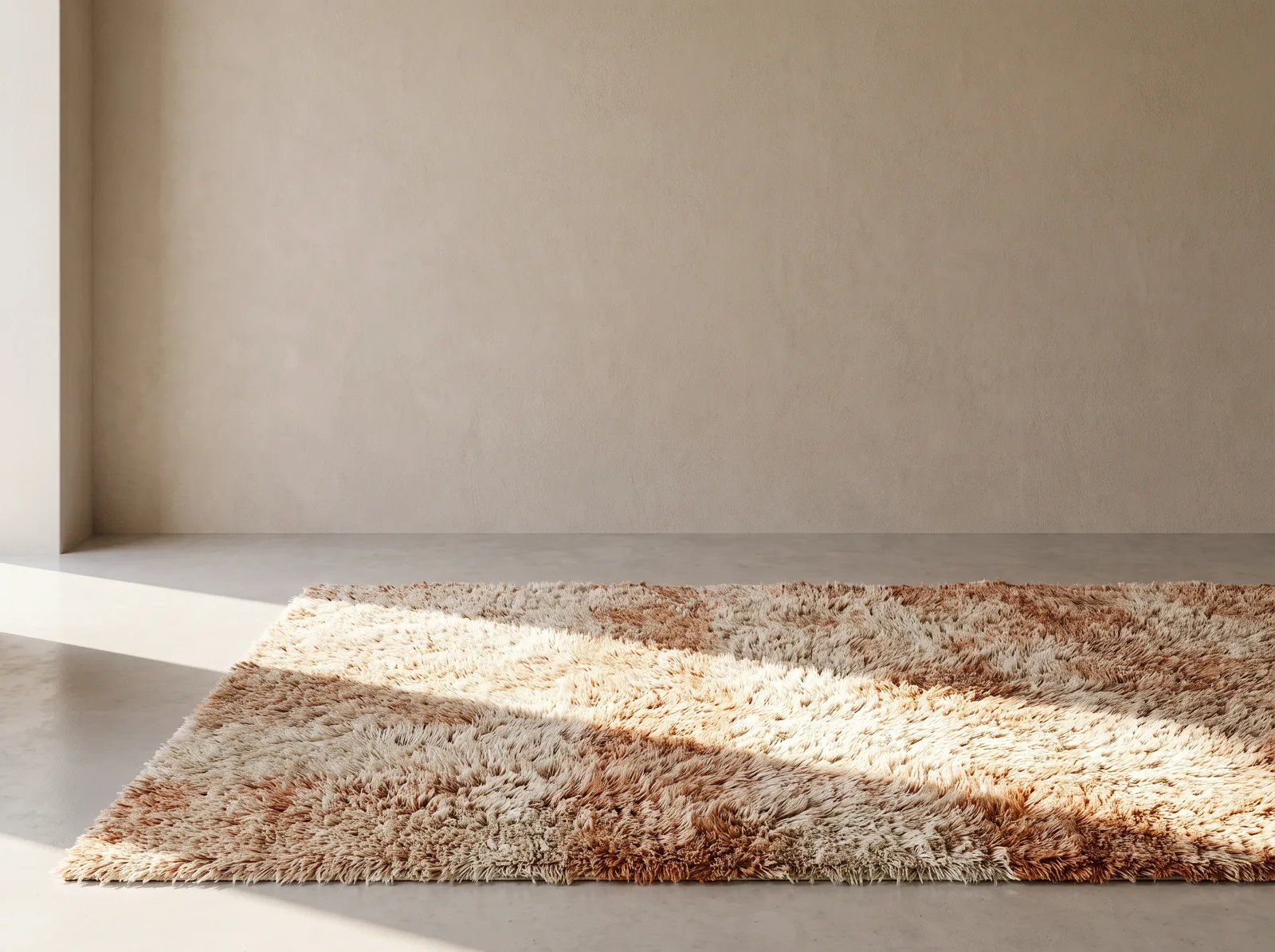
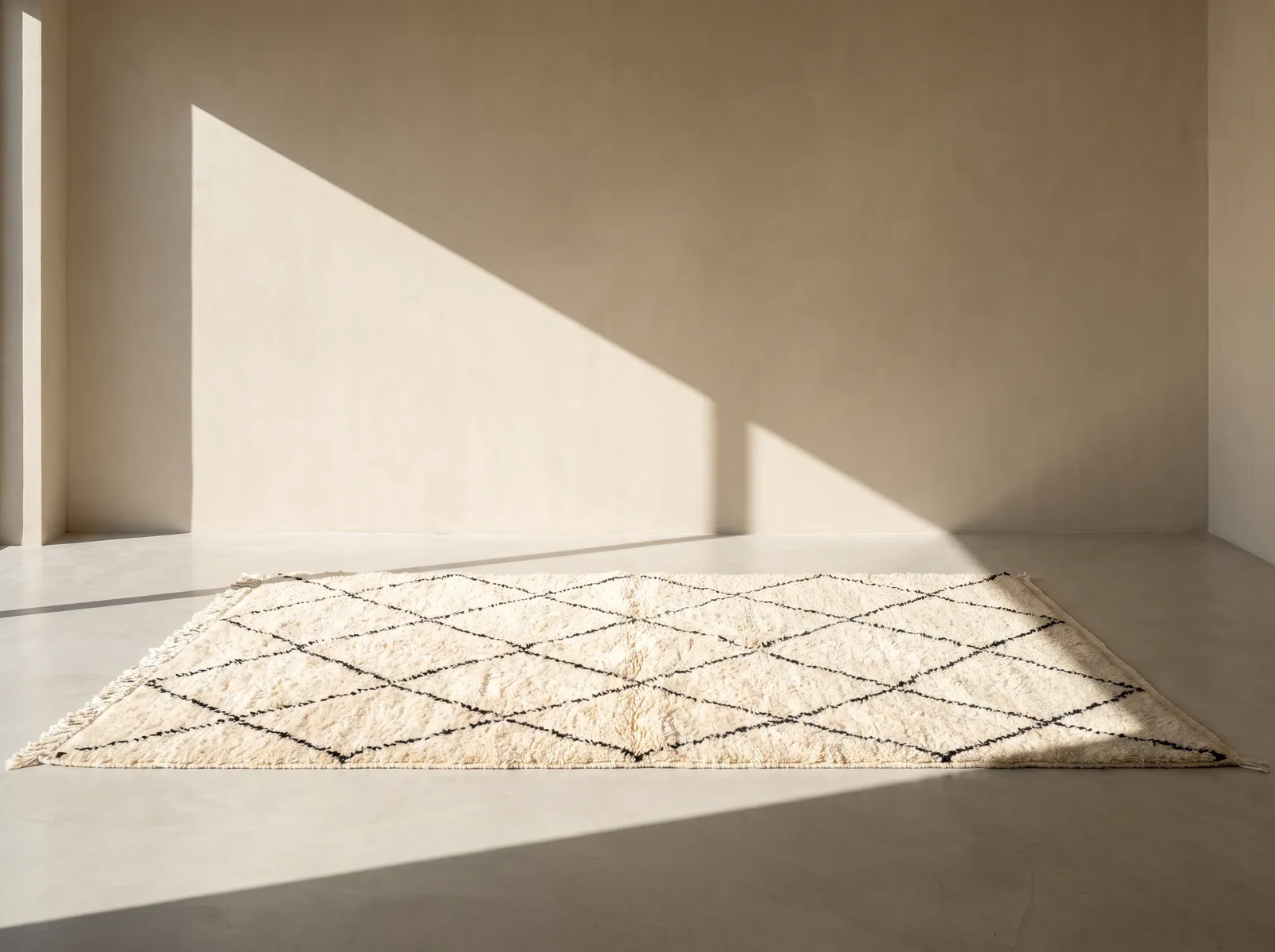
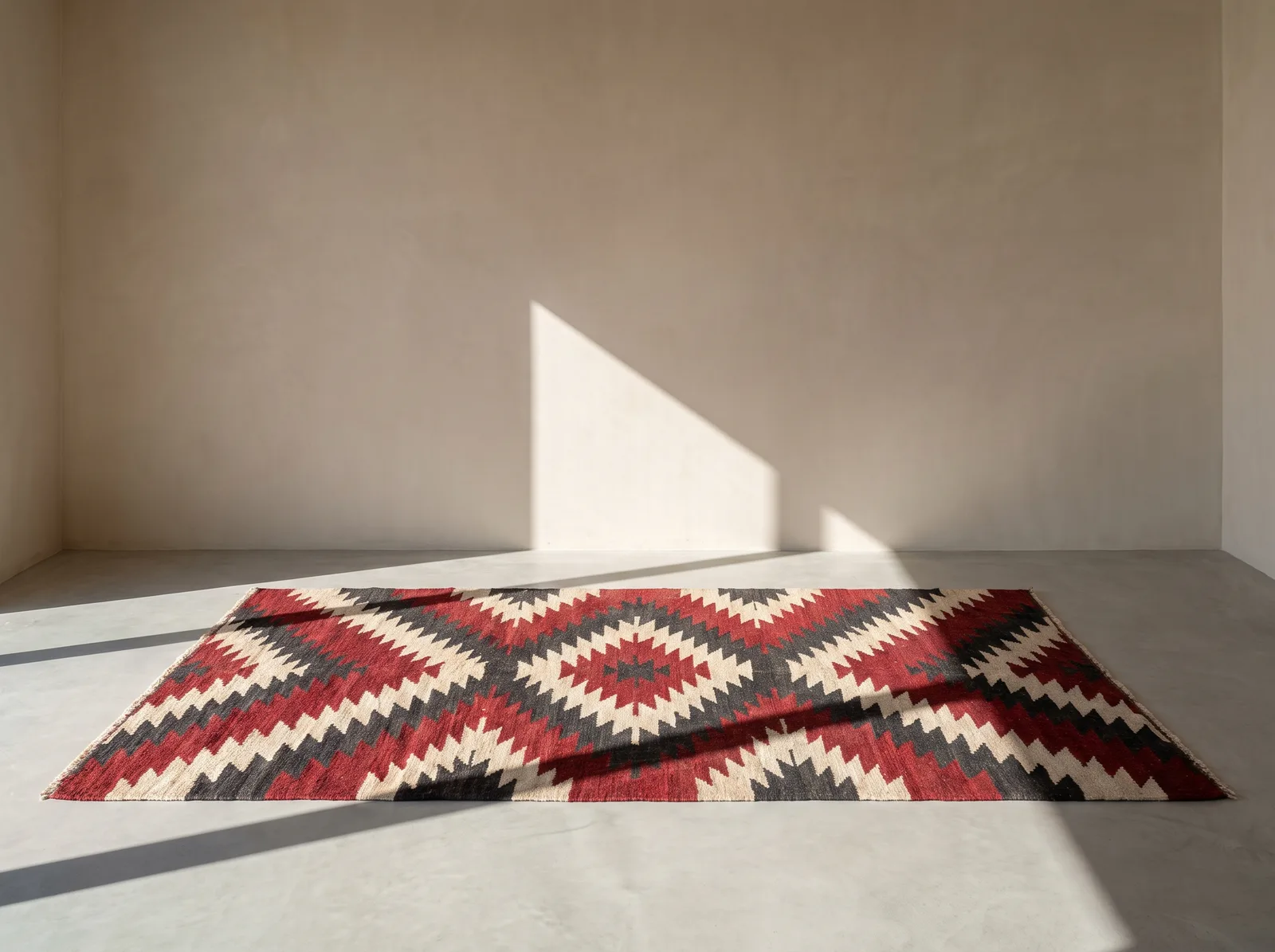
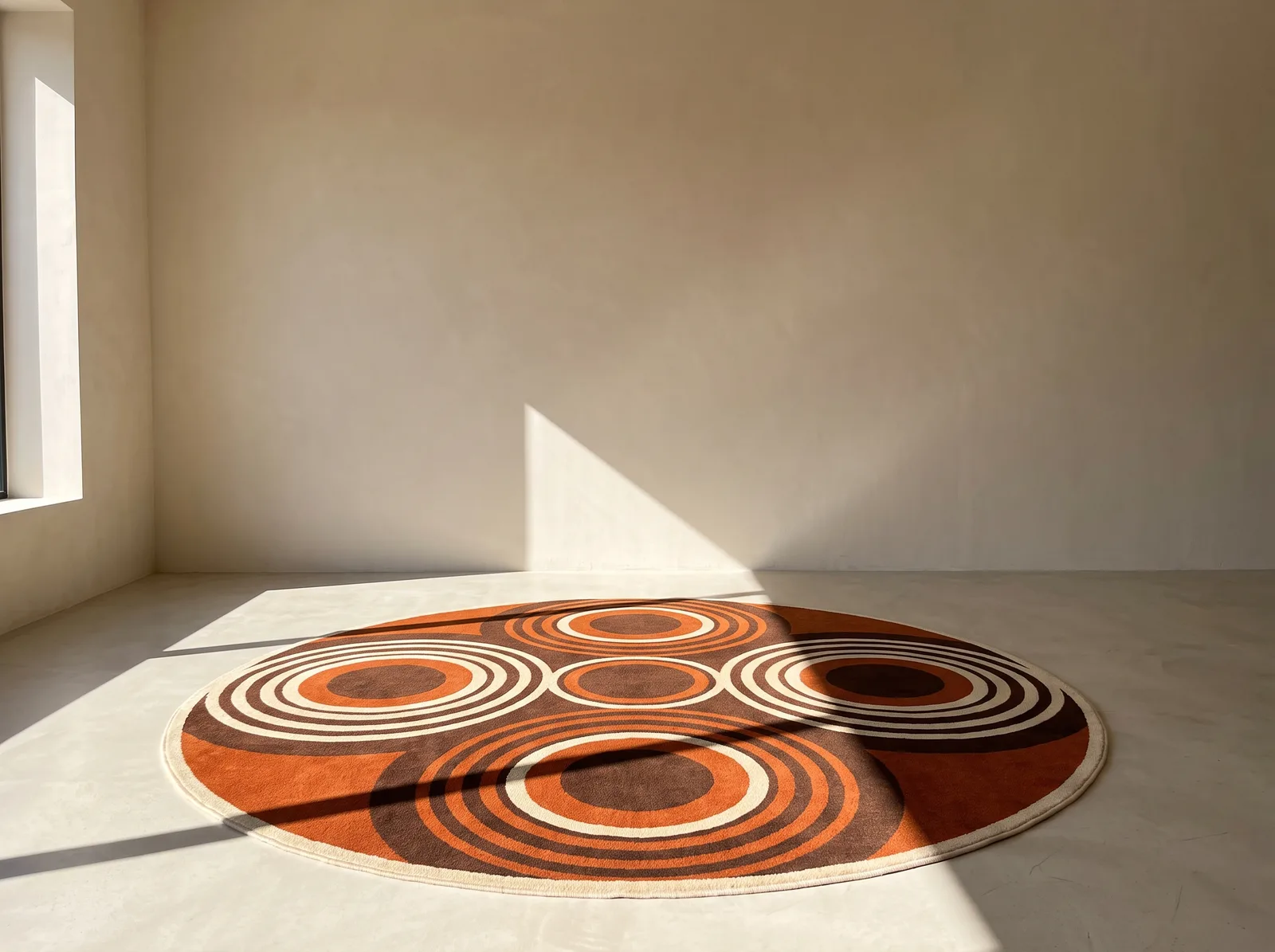
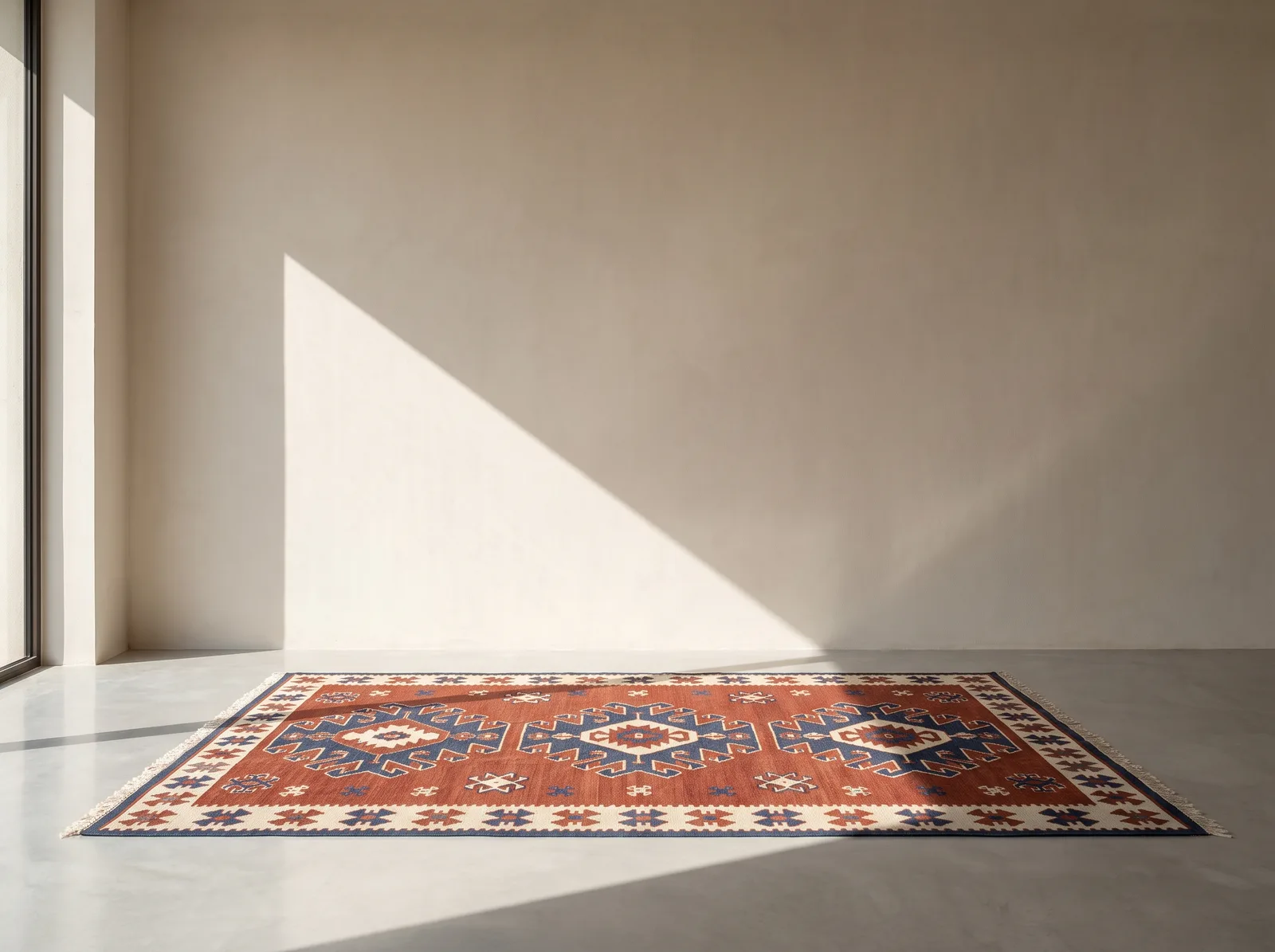
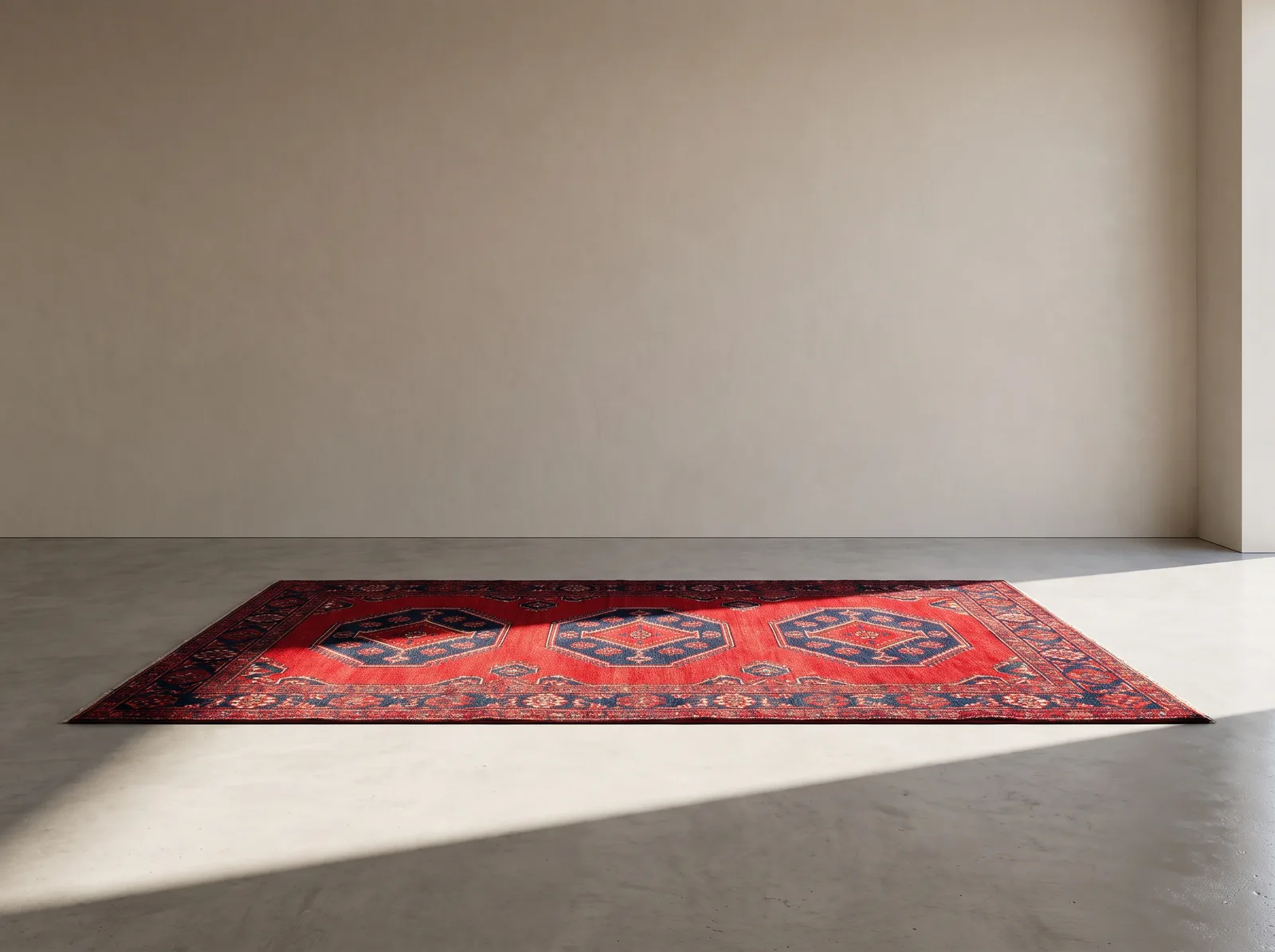
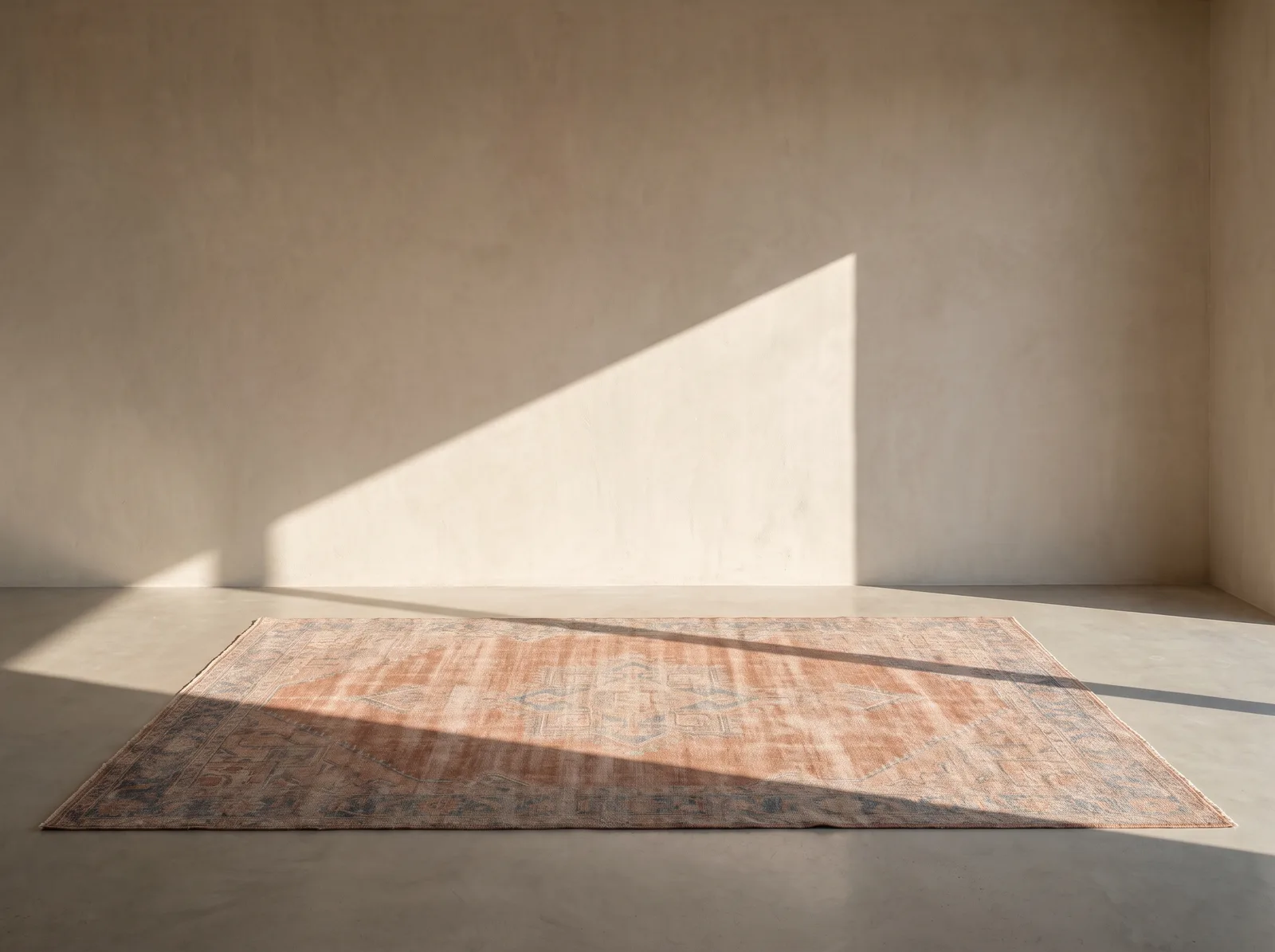
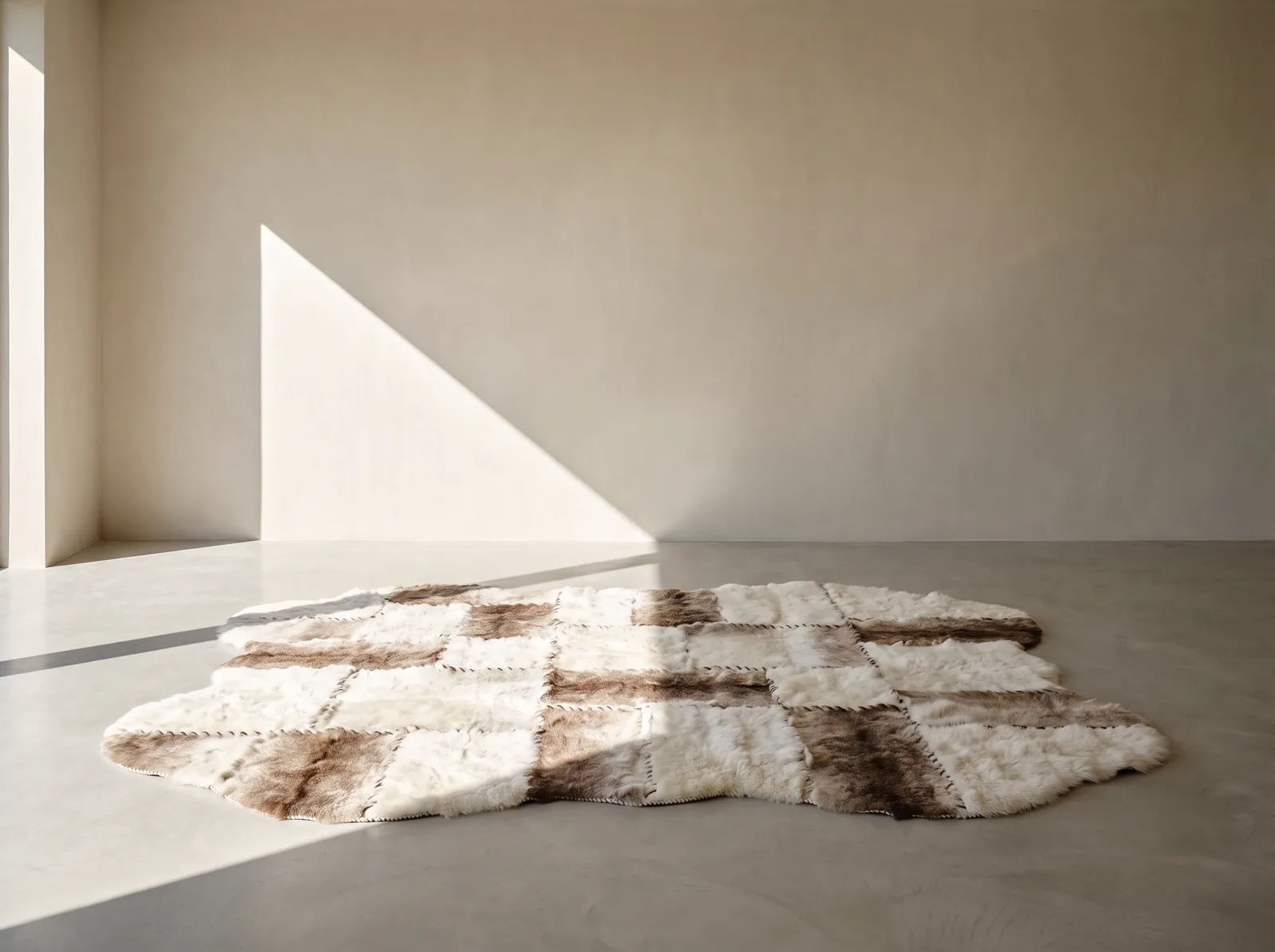
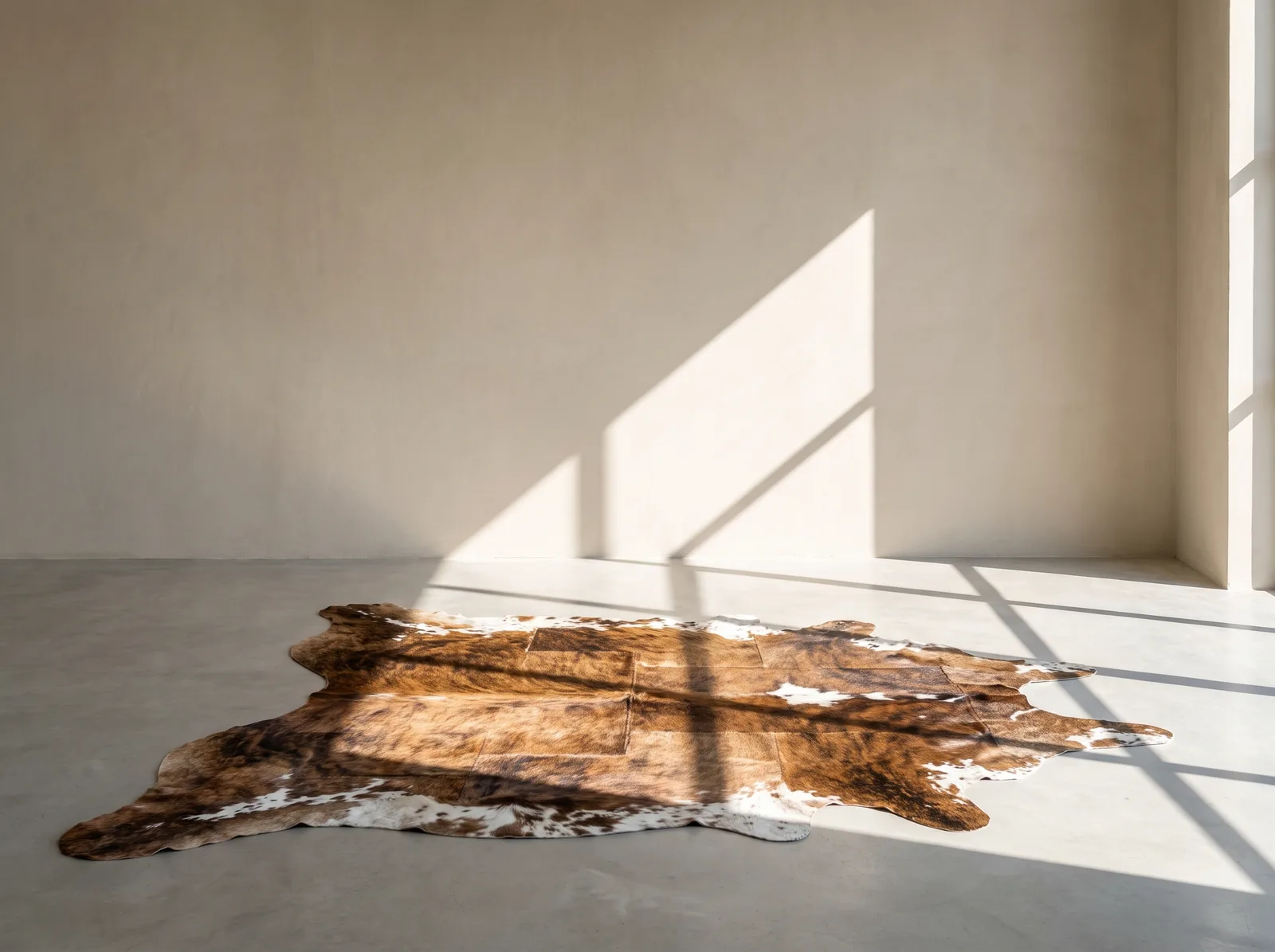
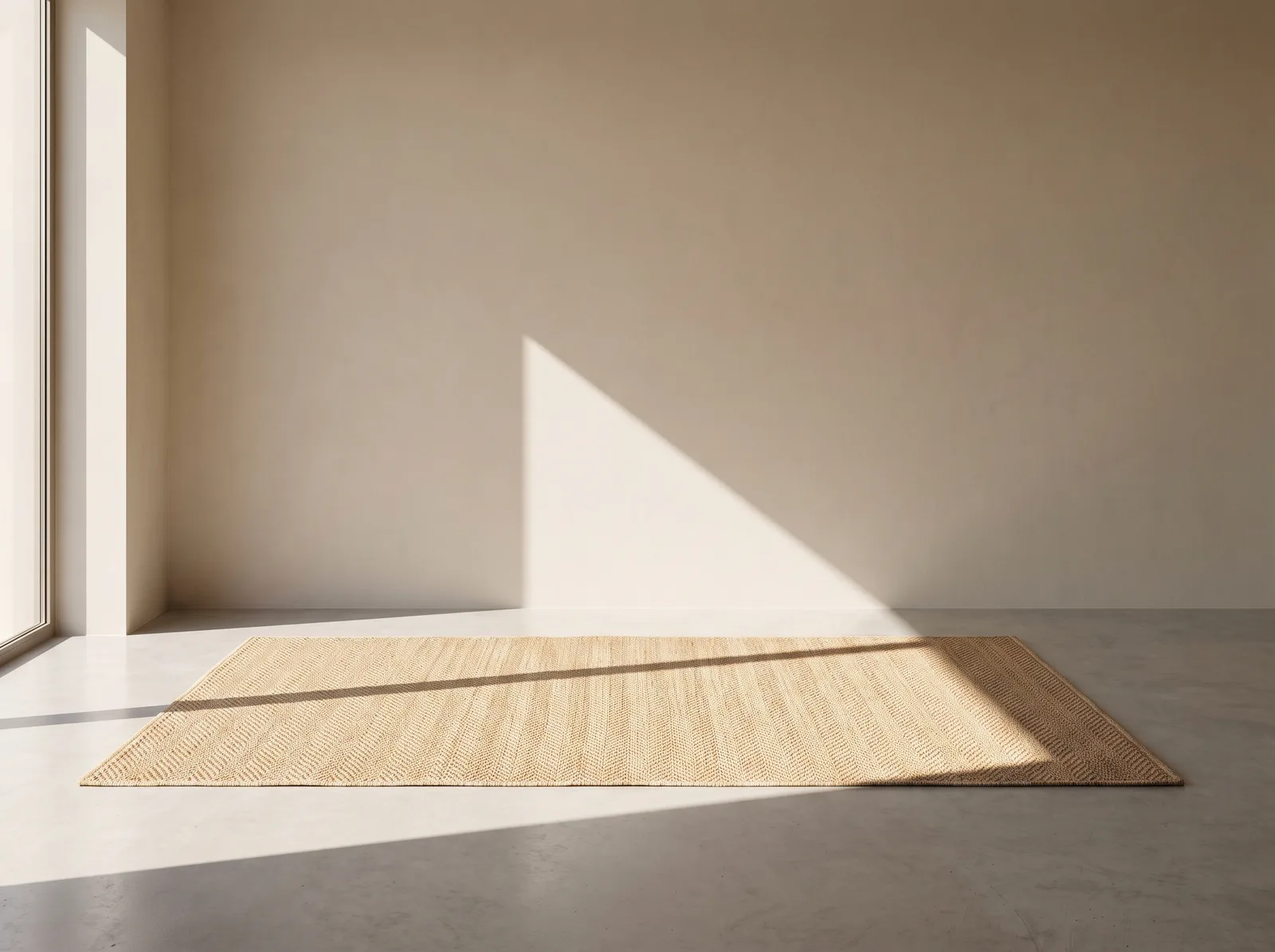
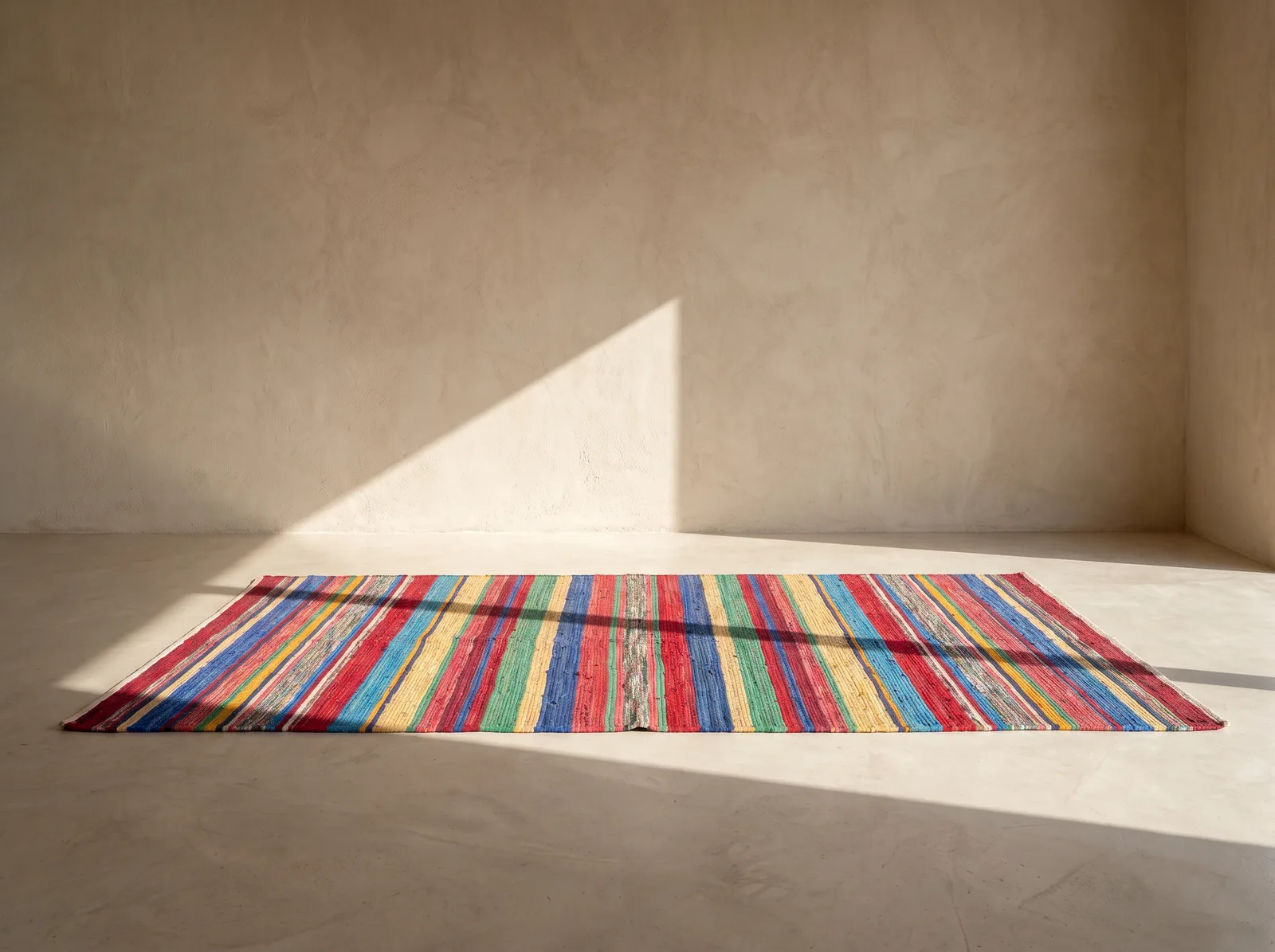
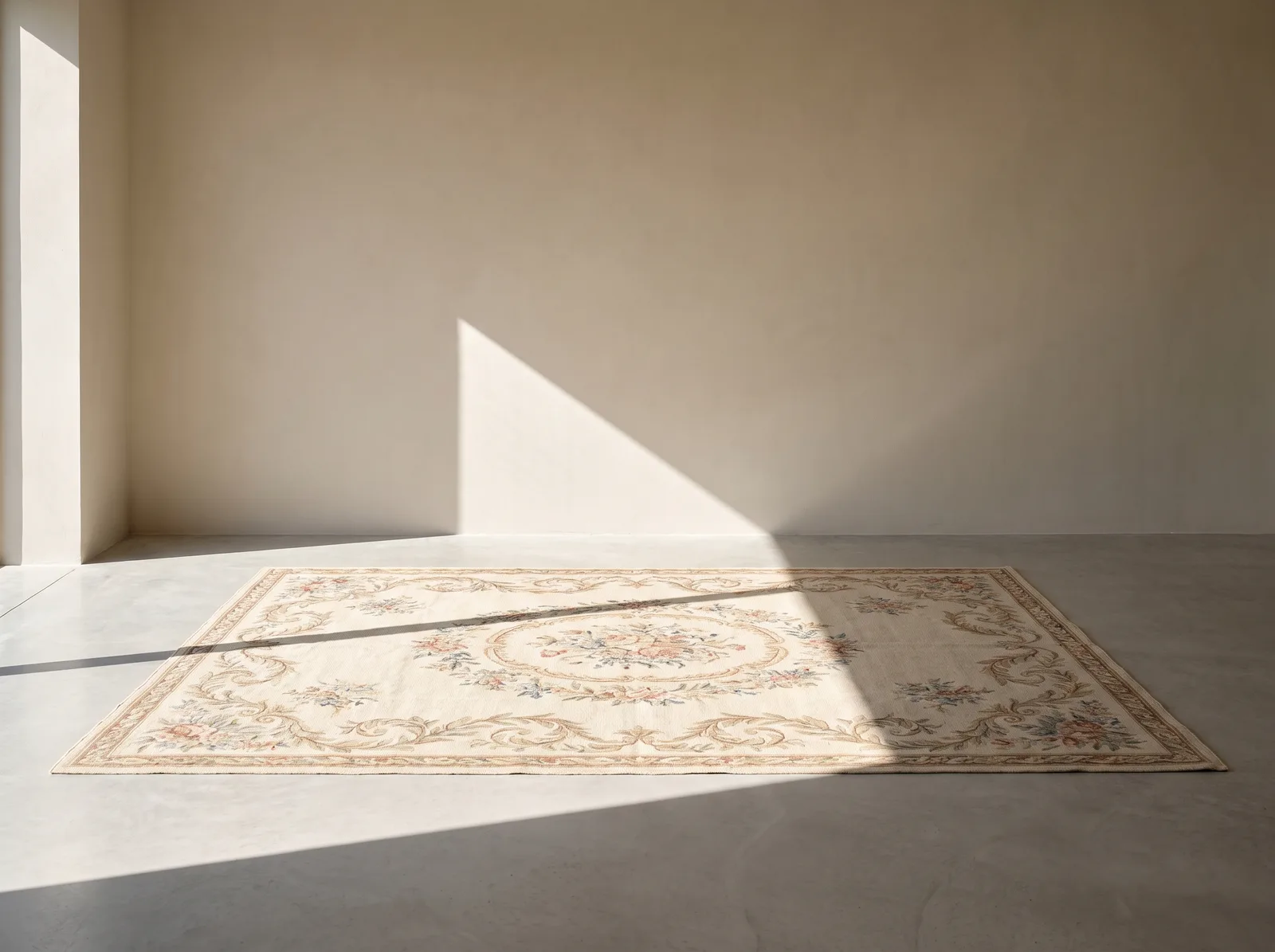
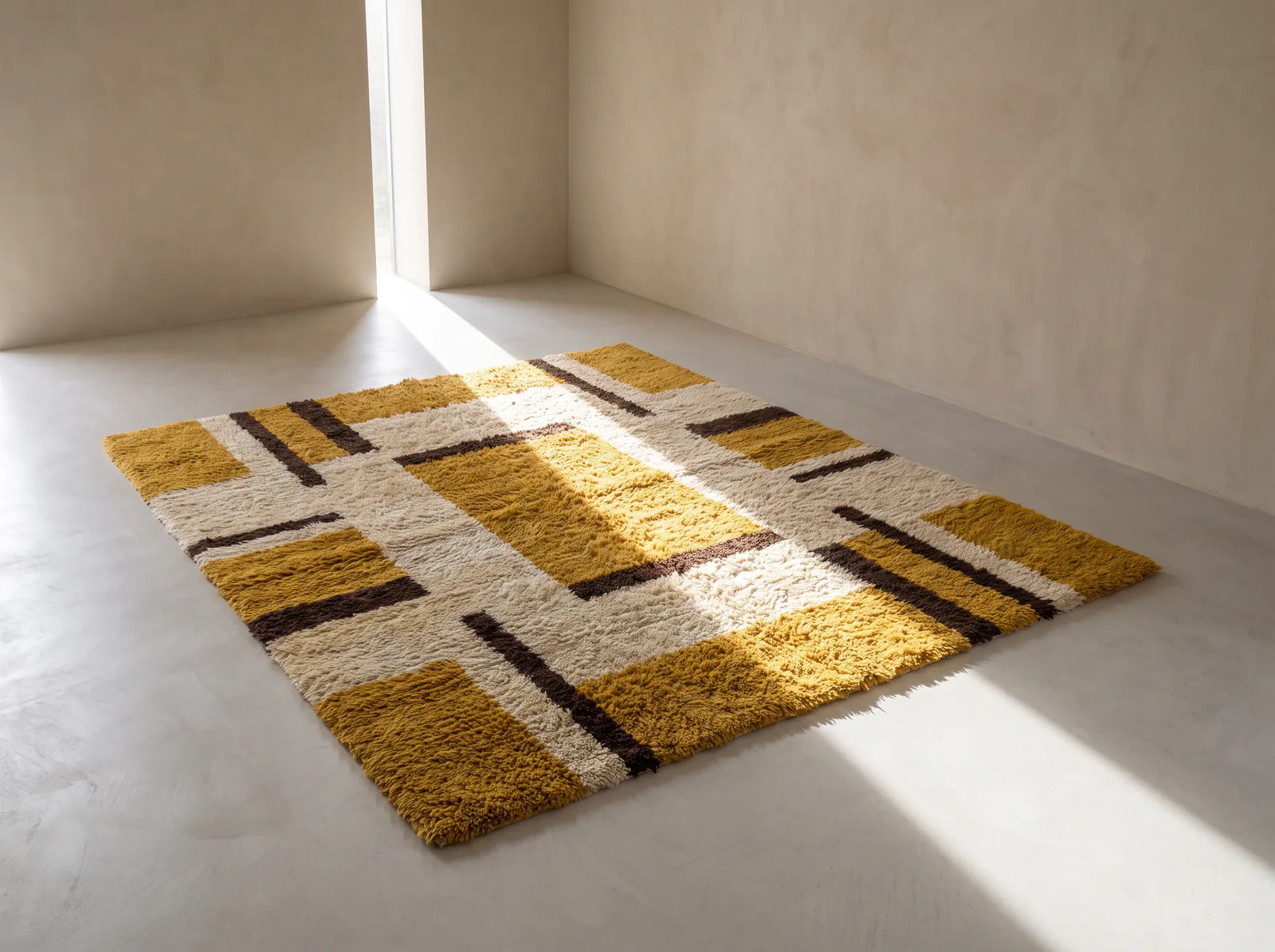
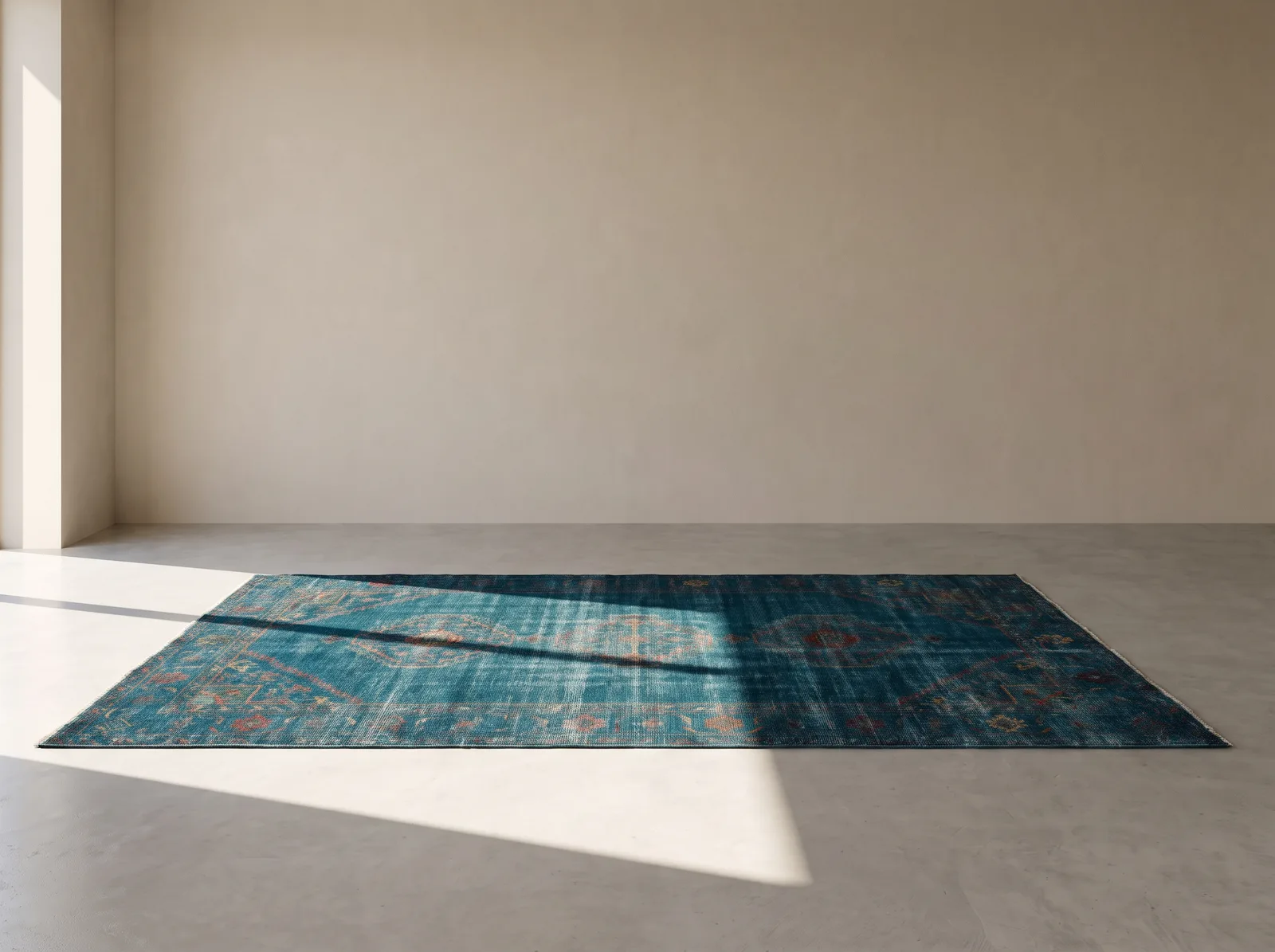
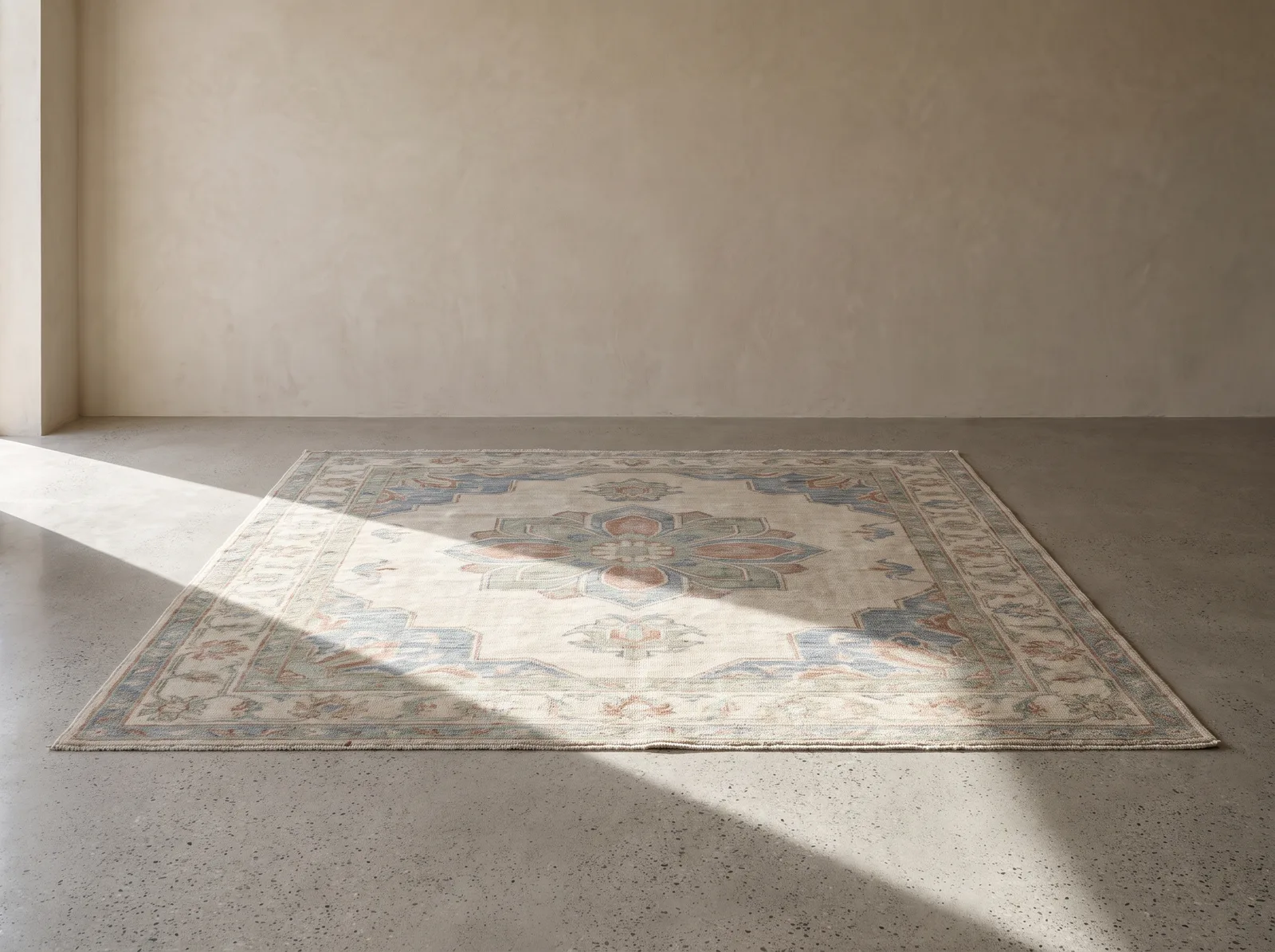
How do I find the right rug style?
A rug ties furniture, colours and floor together into one room. Its style shapes how a room feels: a Berber rug brings calm and warmth, a kilim adds graphic pattern and a Persian rug depth and tradition.
This overview covers 16 rug types, from Persian and Oushak rugs to kilim, Berber and Navajo, all the way to sheepskin, sisal and Space Age patterns. For each style we explain its origin, typical patterns and colours and how to combine it today.
A rule of thumb for size: in the living room, at least the front legs of the sofa and armchairs should sit on the rug. Under a dining table it should extend about 60 cm on every side so the chairs don't catch the edge when pulled back.
Common questions about rugs
Which rugs are easy to care for?
Low-pile and flatwoven rugs like kilims are easy to vacuum. High-pile and shag rugs hold more dust. Natural fibres like sisal are tough but don't cope well with moisture.
What's the difference between hand-knotted and hand-tufted?
In a hand-knotted rug, every knot is tied individually around the warp threads. That takes a long time and makes the rug very durable. In tufting, yarn is shot into a backing fabric with a tufting gun and glued on the back. Tufted rugs cost less but usually don't last as long.
Which rug goes with a wooden floor?
On warm, light wood, rugs in muted or cool tones such as blue, grey or cream look calm. On dark wood, light Berber or wool rugs create a lovely contrast.